HESI_MEDSURGE Questions And Answers.
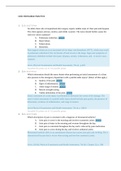
HESI_MEDSURGE Questions And Answers. An adult client who is hospitalized after surgery reports sudden onset of chest pain and dyspnea. The client appears anxious, restless, and mildly cyanotic. The nurse should further assess the client for which condition? A. Pulmonary embolism. Correct B. Heart failure. C. Tuberculosis. D. Bronchitis. Post-surgical clients are at an increased risk for deep vein thrombosis (DVT), which may result in pulmonary embolism if the clot breaks off and travels to the lungs. Signs and symptoms of pulmonary embolism include chest pain, dyspnea, anxiety, restlessness, and - in severe cases - cyanosis. Jarvis, Physical Examination and Health Assessment, 7th ed., p.493 Awarded 0.0 points out of 1.0 possible points. 2. 2.ID: 11 Which information should the nurse obtain when performing an initial assessment of a client who presents to the emergency department with a painful ankle injury? (Select all that apply.) A. Quality of the pain. Correct B. Signs of inflammation. Correct C. Ankle range of motion. Correct D. Muscle strength testing. E. Visible deformities of the joint. Correct Initial assessment of a joint injury is performed to determine the extent of the damage. The nurse's initial assessment of a painful ankle injury should include pain quality, the presence of deformities, evidence of inflammation, and range of motion. Jarvis Physical Examination and Health Assessment, 7th ed. p. 586-8 Awarded 0.0 points out of 1.0 possible points. 3. 3.ID: 08 Which description of pain is consistent with a diagnosis of rheumatoid arthritis? A. Joint pain is worse in the morning and involves symmetric joints. Correct B. Joint pain is better in the morning and worsens throughout the day. C. Joint pain is consistent throughout the day and is relieved by pain medication. D. Joint pain is worse during the day and involves unilateral joints. Rheumatoid arthritis (RA) is an autoimmune disease that causes joint pain and swelling. RA is characterized by pain that is worse when arising and involves symmetric joints. Jarvis. (2016), Physical Examination and Health Assessment, 7th Ed., Chapter 22; p. 586 Awarded 0.0 points out of 1.0 possible points. 4. 4.ID: 05 Which physical assessment finding should the nurse anticipate in a client with long-term gastroesophagealreflux disease (GERD)? A. Hoarseness. Correct B. Dry mouth. C. Mouth ulcers. D. Weight loss. Dyspepsia and regurgitation are the main symptoms of gastroesophageal reflux disease (GERD); however, hoarseness is one of the most common long-term symptoms of GERD due to the irritation of the reflux of gastric secretions. Ignatavicius, (2016). Medical-surgical nursing: Patient-centered collaborative care, eight edition., Ch. 49, p. 1111. Awarded 0.0 points out of 1.0 possible points. 5. 5.ID: 02 A client presents with chronic venous insufficiency. Which assessment finding should the nurse anticipate? A. Bilateral lower leg stasis dermatitis. Correct B. Clubbing of fingers and toes. C. Intermittent claudication. D. Peripheral cyanosis. Clients who suffer from chroninc venous insufficiency often develop statsis dermatitis in the lower extremities. Statis dermatitis appear as brownish-red discoloration on the lower extremities at the ankles which can develop into stasis ulcers due to the pooling of the venous blood flow back to the heart. Ignatavicius, (2013). Medical-surgical nursing: Patient-centered collaborative care, 7th ed.., Ch. 33, p. 803. Awarded 0.0 points out of 1.0 possible points. 6. 6.ID: 99 A client has been hospitalized with a femur fracture and is being treated with traction. Which action by the nurse is the priority when caring for this client? A. Assess neurovascular status. Correct B. Change the client's position. C. Inspect the traction equipment. D. Review pain medication orders. The use of traction for long bone fractures reduces the potential for damage to the surrounding tissues. Reports of increased pain may indicate circulatory compromise or tissue damage (compartment syndrome). Assessing the client's neurovascular status is the nurse's highest priority. Ignatavicius, (2016). Medical-surgical nursing: Patient-centered collaborative care, eight edition., Ch. 51, pp. 1051-80. Awarded 0.0 points out of 1.0 possible points. 7. 7.ID: 96 Which statement made by a client with chronic pancreatitis indicates that further education is needed? A. I will cut back on smoking cigarettes daily. Correct B. I will avoid drinking caffeinated beverages. C. I will rest frequently and avoid vigorous exercise. D. I will eat a bland, low-fat, high-protein diet. To prevent exacerbations of chronic pancreatitis, clients should be instructed to avoid nicotine entirely. Additional teaching includes avoiding caffeinated beverages, resting frequently as needed, and eating a bland diet low fat and high in protein. Ignatavicius, (2016). Medical-surgical nursing: Patient-centered collaborative care, 8th ed., Ch. 59, pp. 1084-98. Awarded 0.0 points out of 1.0 possible points. 8. 8.ID: 93 The nurse is teaching a female client who uses a contraceptive diaphragm about reducing the risk for toxic shock syndrome (TSS). Which information should the nurse include? (Select all that apply.) A. Remove the diaphragm immediately after intercourse. B. Wash the diaphragm with an alcohol solution. C. Use the diaphragm to prevent conception during the menstrual cycle. D. Do not leave the diaphragm in place longer than 8 hours after intercourse. Correct E. Replace the old diaphragm every 3 months. Correct The diaphragm needs to remain against the cervix for 6 to 8 hours to prevent pregnancy but should not remain for longer than 8 hours to avoid the risk of toxic shock syndrome. The diaphragm should be replaced every 3 months to maintain integrity. Awarded 0.0 points out of 1.0 possible points. 9. 9.ID: 90 A male client who smokes two packs of cigarettes a day states he understands that smoking cigarettes is contributing to the difficulty that he and his wife are having in getting pregnant and wants to know if other factors could be contributing to their difficulty. What information is best for the nurse to provide? (Select all that apply.) A. Marijuana cigarettes do not affect sperm count. B. Alcohol consumption can cause erectile dysfunction. Correct C. Low testosterone levels affect sperm production. Correct D. Cessation of smoking improves general health and fertility. Correct E. Obesity has no effect on sperm production. Use of tobacco, alcohol, and marijuana may affect sperm counts. Sperm count is also negatively affected by low testerone levels and obesity. Awarded 0.0 points out of 0.99 possible points. 10. 10.ID: 87 Twenty four hours after a client returns from surgical gastric bypass, the registered nurse (RN) observes large amounts of blood in the nasogastric tube (NGT) cannister. Which assessment finding should the RN report as early signs of hypovolemic shock? A. Faint pedal pulses. B. Decrease in blood pressure. C. Lethargy. Correct D. Slow breathing. One of the early signs of hypovolemic shock is changes in the client's level of consciousness due to the decrease perfusion to the brain which can manifests as lethargy or confusion. Awarded 0.0 points out of 1.0 possible points. 11. 11.ID: 84 The registered nurse (RN) is assessing a male client who arrives at the clinic with severe abdominal cramping, pain, tenesmus, and dehydration. The RN discovers that the client has had 14 to 20 loose stools with rectal bleeding. When taking the client's medical history, which information is most for the nurse to obtain? A. Irritable bowel syndrome. B. Diverticulitis. C. Crohn's disease. D. Ulcerative colitis. Correct The RN should ask the client if he has a history of ulcerative colitis, which is characterized by severe abdominal cramping, pain, tenesmus, and dehydration . Awarded 0.0 points out of 1.0 possible points. 12. 12.ID: 81 A client is newly diagnosed with diverticulosis. The registered nurse (RN) is assessing the client's basic knowledge about the disease process. Which statement by the client conveys an understanding of the etiology of diverticula? A. Over use of laxatives for bowel regularity result in loss of peristaltic tone. B. Inflammation of the colon mucosa cause growths that protrude into the colon lumen. C. Diverticulosis is the result of high fiber diet and sedentary life style. D. Chronic constipation causes weakening of colon wall which result in out-pouching sacs. Correct A client who has chronic constipation often strains to pass constipated stool which increases intestinal pressure that weakens the intestinal walls and causes out-pouching sacs, called diverticula which commonly occur in the sigmoid. Awarded 0.0 points out of 1.0 possible points. 13. 13.ID: 78 The registered nurse (RN) is assessing a client who was discharged home after management of chronic hypertension. Which equipment should the RN instruct the client to use at home? A. Exercise bicycle. B. Sphygmomanometer. Correct C. Blood glucose monitor. D. Weekly medication box. Self-awareness is the best way for a client to manage chronic hypertension, so the client should obtain a sphygmomanometer and learn how to monitor blood pressure daily and maintain a record. Awarded 0.0 points out of 1.0 possible points. 14. 14.ID: 75 A young adult male is diagnosed with Stage 4 Hodgkin's lymphoma in the abdominopelvic region and is scheduled for radiation therapy (RT). The client expresses concern about becoming infertile. How should the nurse respond? A. Propose sperm banking before RT then artificial insemination is an option. Correct B. Suggest adoption when the client is in remission or ready for parenting. C. Tell the client that infertility is a non-reversible side effect of radiotherapy. D. Explain that sperm production will be suppressed after radiotherapy is over. Radiation at high doses kills the stem cells that produce sperm. While infertility after radiotherapy often occurs, the nurse should be supportive and offer alternatives that address the client's concerns and treatment decisions. Suggesting sperm banking is the most sensitive and supportive response. Awarded 0.0 points out of 1.0 possible points. 15. 15.ID: 71 A client’s susceptibility to ulcerative colitis is most likely due to which aspect in the client’s history? A. Jewish European ancestry. Correct B. H. pylori bowel infection. C. Family history of irritable bowel syndrome. D. Age between 25 and 55 years. Ulcerative colitis is 4 to 5 times more common among individuals of Jewish European or Ashkenazi ancestry. Awarded 0.0 points out of 1.0 possible points. 16. 16.ID: 68 Small bowel obstruction is a condition characterized by which finding? A. Severe fluid and electrolyte imbalances. Correct B. Metabolic acidosis. C. Ribbon-like stools. D. Intermittent lower abdominal cramping. Among the findings characteristic of a small bowel obstruction is the presence of severe fluid and electrolyte imbalances. Awarded 0.0 points out of 1.0 possible points. 17. 17.ID: 65 Which client should the nurse recognize as most likely to experience sleep apnea? A. Middle-aged female who takes a diuretic nightly. B. Obese older male client with a short, thick neck. Correct C. Adolescent female with a history of tonsillectomy. D. School-aged male with a history of hyperactivity disorder. Sleep apnea is characterized by lack of respirations for 10 seconds or more during sleep and is due to the loss of pharyngeal tone which allows the pharynx to collapse during inspiration and obstructs air flow through the nose and mouth. Risk factors which increase the condition of sleep apnea include: excessive weight, increases the risk 4 times more than normal weighing individuals; neck circumference, thicker necks have narrower airways; individuals with inherited narrower airways; males in general are more prone to sleep apnea; females risk increase with being overweight and post-menopausal; increased age (geriatrics); family history; use of alcohol, sedatives or tranquilizers; smokers and those who suffer from nasal allergies. Awarded 0.0 points out of 1.0 possible points. 18. 18.ID: 62 Which milestone indicates to the nurse successful achievement of young adulthood? A. Demonstrates a conceptualization of death and dying. B. Completes education and becomes self-supporting. Correct C. Creates a new definition of self and roles with others. D. Develops a strong need for parental support and approval. Transitioning through young adulthood is characterized by establishing independence as an adult, and includes developmental tasks such as completing education, beginning a career, and becoming self-supporting. Awarded 0.0 points out of 1.0 possible points. 19. 19.ID: 59 A client who has heart failure is admitted with a serum potassium level of 2.9 mEq/L (2.9 mmol/L). Which action is most important for the nurse to implement? A. Give 20 mEq of potassium chloride. B. Initiate continuous cardiac monitoring. Correct C. Arrange a consultation with the dietician. D. Teach about the side effects of diuretics. Hypokalemia (normal 3.5 to 5 mEq/L [3.5 to 5 mmol/L]) causes changes in myocardial irritability and ECG waveform, so it is most important for the nurse to initiate continuous cardiac monitoring to identify ventricular ectopy or other life-threatening dysrhythmias. After cardiac monitoring is initiated, then the potassium chloride should be given so that the effects of potassium replacement on the cardiac rhythm can be monitored.
Written for
Document information
- Uploaded on
- October 18, 2021
- Number of pages
- 41
- Written in
- 2021/2022
- Type
- Exam (elaborations)
- Contains
- Questions & answers
Subjects
- hesi med surg
- hesi
- med surg
-
hesimedsurge questions and answers

Also available in package deal