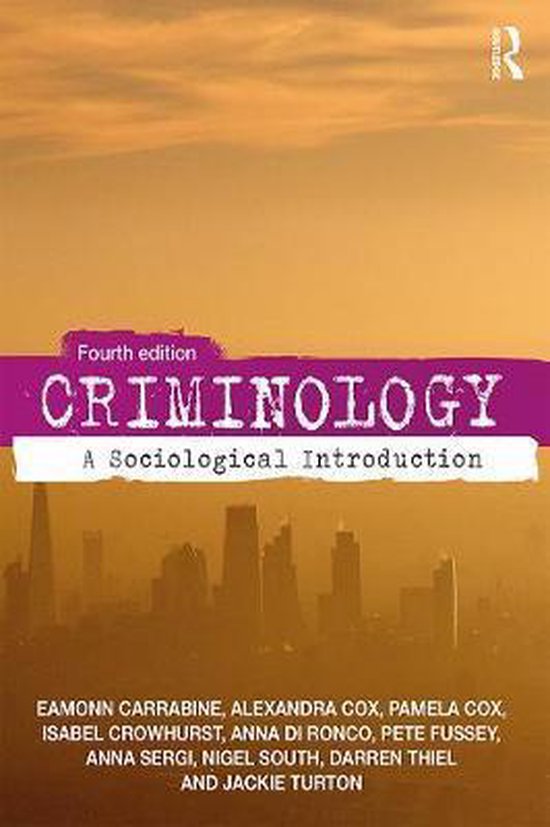
Minor Criminology: The twilight zone
between the legal and illegal
N.B.: I summarized practically everything and doing this I focused on what
seemed most important to me, however this can differ from person to person.
Don’t hesitate to let me know if something is wrong or missing! Also, I’m
asking you to be so kind not to send this to other students because this was a
lot of effort for me and €5 is a small amount (compared to e.g. slimstuderen,
rekenmaar). I hope this helps you and good luck studying for the exam!
,Table of Contents
Week 1...............................................................................................................................5
Carrabine et al. Chapter 1: Introduction.......................................................................................5
Carrabine et al. Chapter 11: Theft, fraud and other property crimes............................................5
Hulsman, L.H. (1986). Critical criminology and the concept of crime............................................7
Are crimes exceptional?: Problematizing the normal outlook on crime........................................................7
Critical criminology and the concept of crime: what has been problematized and what not?.....................8
What does it mean when we do not problematize (and reject) the concept of crime?................................8
Developing an anascopic view: Defining and dealing with trouble outside a formal context.......................8
Lecture 1.......................................................................................................................................9
Carrabine et al. Chapter 2: Histories of crime.............................................................................11
Carrabine et al. Chapter 9: Victims and victimization.................................................................11
Carrabine et al. Chapter 16: Drugs, alcohol, health and crime....................................................13
Hillyard, P. and Tombs, S. (2007). From crime to social harm.....................................................13
Lecture 2.....................................................................................................................................15
Week 2.............................................................................................................................18
Carrabine et al. Chapter 3: Researching crime............................................................................18
Farrel, G. (2013). Five tests for a theory of the crime drop.........................................................19
Stickle, B. & Felson, M. (2020). Crime Rates in a Pandemic: The Largest Criminological
Experiment in History.................................................................................................................19
Lecture 3.....................................................................................................................................20
Carrabine et al. Chapter 4: The Enlightenment and early traditions...........................................23
Carrabine et al. Chapter 13: Crime, the emotions and social psychology....................................26
Barnes, J.C., Boutwell, B.B. & Beaver, K.M., (2015). Contemporary Biosocial Criminology.........26
Evolutionary criminology..............................................................................................................................26
Biological criminology...................................................................................................................................27
Behavior genetics..........................................................................................................................................27
Molecular genetics........................................................................................................................................27
Neuro-criminology........................................................................................................................................27
Sidebottom, A. & Wortley, R. (2015). Environmental criminology..............................................27
Lecture 4.....................................................................................................................................27
Week 3.............................................................................................................................30
Carrabine et al. Chapter 10: Life course criminology...................................................................30
Brezina, T. and Agnew R. (2015). Juvenile delinquency: It’s nature, causes and control.............32
W.R. Lindsay and J.L. Taylor (2018). Historical and Theoretical Approaches to Offending in
People with Intellectual and Developmental Disabilities............................................................34
Lecture 5.1: Guest lecture by Frank Weerman............................................................................35
Lecture 5.2: Pre-recorded...........................................................................................................38
2
, Carrabine et al. Chapter 5: Early sociological thinking about crime............................................39
Carrabine et al. Chapter 8: Crime, place and space.....................................................................44
Small, M.L. (2008). Four Reasons to Abandon the Idea of “The Ghetto”.....................................44
Sykes, G.M. & Matza, D. (1957). Techniques of Neutralization: A Theory of Delinquency..........45
Lecture 6.....................................................................................................................................46
Week 4.............................................................................................................................51
Carrabine et al. Chapter 6: Radicalizing traditions......................................................................51
Carrabine et al. Chapter 7: Crime, social theory and social change.............................................53
Carrabine et al. Chapter 12: Crime, sexuality and gender...........................................................55
Lecture 7.....................................................................................................................................56
Carrabine et al. Chapter 21: Green criminology and environmental crime.................................59
Carrabine et al. Chapter 25: State crime and war crime..............................................................60
Kramer, R.C.& Michalowski, R.J. (2012). Is global warming a state-corporate crime?.................62
Lecture 8.1..................................................................................................................................62
Lecture 8.2: Pre-recorded lecture about shipbreaking................................................................65
Summary table of the discussed theories...................................................................................66
Week 6.............................................................................................................................70
Carrabine et al. Chapter 17: Thinking about punishment............................................................70
Carrabine et al. Chapter 18: The criminal justice process............................................................71
Carrabine et al. Chapter 19: The police and policing...................................................................73
Carrabine et al. Chapter 20: Prisons and imprisonment..............................................................74
Lecture 10: Pre-recorded lecture................................................................................................75
Blevins, K. (2018). Crime Prevention...........................................................................................80
Wilson, J.Q. & W. Kelling (1982). Broken Windows....................................................................81
Lecture 11...................................................................................................................................82
Week 7.............................................................................................................................86
Carrabine et al. Chapter 24: Political violence, terrorism and counter-terrorism........................86
Carrabine et al. Chapter 22: Crime and the media......................................................................87
Bouabid, A. (2016). Riots of the Other: An analysis of societal reactions to contemporary riots in
disadvantaged neighborhoods in the Netherlands.....................................................................88
Lecture 12...................................................................................................................................89
Carrabine et al. Chapter 23: Digital criminology and cybercrime................................................90
Graham, R. (2020). Race, Social Media and Deviance.................................................................92
Hardyns, W. & Rummens, A. (2017) Predictive Policing as a New Tool for Law Enforcement?
Recent Developments and Challenges........................................................................................94
Lecture 13...................................................................................................................................96
3
, Week 8.............................................................................................................................99
Aas, K.F. (2019). Chapter 2 “Global Mobility and Human Traffic”, in Globalization and Crime....99
McCarthy, L.A. (2014). Human Trafficking and the New Slavery.................................................99
Anderson, B. (2010). Migration, immigration controls and the fashioning of precarious workers
.................................................................................................................................................101
Lecture 14.................................................................................................................................102
Carrabine et al. Chapter 14: Organized crime...........................................................................105
Carrabine et al. Chapter 15: Corporate crime and crimes of the powerful................................106
Roks, R.A. & Densley, J. (2020). From Breakers to Bikers: The Evolution of the Dutch Crips ‘Gang’
.................................................................................................................................................107
Lecture 15.................................................................................................................................108
Lecture 15.1: Pre-recorded lecture Cybercrime and cybercriminology......................................109
4
between the legal and illegal
N.B.: I summarized practically everything and doing this I focused on what
seemed most important to me, however this can differ from person to person.
Don’t hesitate to let me know if something is wrong or missing! Also, I’m
asking you to be so kind not to send this to other students because this was a
lot of effort for me and €5 is a small amount (compared to e.g. slimstuderen,
rekenmaar). I hope this helps you and good luck studying for the exam!
,Table of Contents
Week 1...............................................................................................................................5
Carrabine et al. Chapter 1: Introduction.......................................................................................5
Carrabine et al. Chapter 11: Theft, fraud and other property crimes............................................5
Hulsman, L.H. (1986). Critical criminology and the concept of crime............................................7
Are crimes exceptional?: Problematizing the normal outlook on crime........................................................7
Critical criminology and the concept of crime: what has been problematized and what not?.....................8
What does it mean when we do not problematize (and reject) the concept of crime?................................8
Developing an anascopic view: Defining and dealing with trouble outside a formal context.......................8
Lecture 1.......................................................................................................................................9
Carrabine et al. Chapter 2: Histories of crime.............................................................................11
Carrabine et al. Chapter 9: Victims and victimization.................................................................11
Carrabine et al. Chapter 16: Drugs, alcohol, health and crime....................................................13
Hillyard, P. and Tombs, S. (2007). From crime to social harm.....................................................13
Lecture 2.....................................................................................................................................15
Week 2.............................................................................................................................18
Carrabine et al. Chapter 3: Researching crime............................................................................18
Farrel, G. (2013). Five tests for a theory of the crime drop.........................................................19
Stickle, B. & Felson, M. (2020). Crime Rates in a Pandemic: The Largest Criminological
Experiment in History.................................................................................................................19
Lecture 3.....................................................................................................................................20
Carrabine et al. Chapter 4: The Enlightenment and early traditions...........................................23
Carrabine et al. Chapter 13: Crime, the emotions and social psychology....................................26
Barnes, J.C., Boutwell, B.B. & Beaver, K.M., (2015). Contemporary Biosocial Criminology.........26
Evolutionary criminology..............................................................................................................................26
Biological criminology...................................................................................................................................27
Behavior genetics..........................................................................................................................................27
Molecular genetics........................................................................................................................................27
Neuro-criminology........................................................................................................................................27
Sidebottom, A. & Wortley, R. (2015). Environmental criminology..............................................27
Lecture 4.....................................................................................................................................27
Week 3.............................................................................................................................30
Carrabine et al. Chapter 10: Life course criminology...................................................................30
Brezina, T. and Agnew R. (2015). Juvenile delinquency: It’s nature, causes and control.............32
W.R. Lindsay and J.L. Taylor (2018). Historical and Theoretical Approaches to Offending in
People with Intellectual and Developmental Disabilities............................................................34
Lecture 5.1: Guest lecture by Frank Weerman............................................................................35
Lecture 5.2: Pre-recorded...........................................................................................................38
2
, Carrabine et al. Chapter 5: Early sociological thinking about crime............................................39
Carrabine et al. Chapter 8: Crime, place and space.....................................................................44
Small, M.L. (2008). Four Reasons to Abandon the Idea of “The Ghetto”.....................................44
Sykes, G.M. & Matza, D. (1957). Techniques of Neutralization: A Theory of Delinquency..........45
Lecture 6.....................................................................................................................................46
Week 4.............................................................................................................................51
Carrabine et al. Chapter 6: Radicalizing traditions......................................................................51
Carrabine et al. Chapter 7: Crime, social theory and social change.............................................53
Carrabine et al. Chapter 12: Crime, sexuality and gender...........................................................55
Lecture 7.....................................................................................................................................56
Carrabine et al. Chapter 21: Green criminology and environmental crime.................................59
Carrabine et al. Chapter 25: State crime and war crime..............................................................60
Kramer, R.C.& Michalowski, R.J. (2012). Is global warming a state-corporate crime?.................62
Lecture 8.1..................................................................................................................................62
Lecture 8.2: Pre-recorded lecture about shipbreaking................................................................65
Summary table of the discussed theories...................................................................................66
Week 6.............................................................................................................................70
Carrabine et al. Chapter 17: Thinking about punishment............................................................70
Carrabine et al. Chapter 18: The criminal justice process............................................................71
Carrabine et al. Chapter 19: The police and policing...................................................................73
Carrabine et al. Chapter 20: Prisons and imprisonment..............................................................74
Lecture 10: Pre-recorded lecture................................................................................................75
Blevins, K. (2018). Crime Prevention...........................................................................................80
Wilson, J.Q. & W. Kelling (1982). Broken Windows....................................................................81
Lecture 11...................................................................................................................................82
Week 7.............................................................................................................................86
Carrabine et al. Chapter 24: Political violence, terrorism and counter-terrorism........................86
Carrabine et al. Chapter 22: Crime and the media......................................................................87
Bouabid, A. (2016). Riots of the Other: An analysis of societal reactions to contemporary riots in
disadvantaged neighborhoods in the Netherlands.....................................................................88
Lecture 12...................................................................................................................................89
Carrabine et al. Chapter 23: Digital criminology and cybercrime................................................90
Graham, R. (2020). Race, Social Media and Deviance.................................................................92
Hardyns, W. & Rummens, A. (2017) Predictive Policing as a New Tool for Law Enforcement?
Recent Developments and Challenges........................................................................................94
Lecture 13...................................................................................................................................96
3
, Week 8.............................................................................................................................99
Aas, K.F. (2019). Chapter 2 “Global Mobility and Human Traffic”, in Globalization and Crime....99
McCarthy, L.A. (2014). Human Trafficking and the New Slavery.................................................99
Anderson, B. (2010). Migration, immigration controls and the fashioning of precarious workers
.................................................................................................................................................101
Lecture 14.................................................................................................................................102
Carrabine et al. Chapter 14: Organized crime...........................................................................105
Carrabine et al. Chapter 15: Corporate crime and crimes of the powerful................................106
Roks, R.A. & Densley, J. (2020). From Breakers to Bikers: The Evolution of the Dutch Crips ‘Gang’
.................................................................................................................................................107
Lecture 15.................................................................................................................................108
Lecture 15.1: Pre-recorded lecture Cybercrime and cybercriminology......................................109
4