Summary for Food Safety Risk Assessment
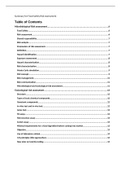
Table of Contents
Microbiological Risk assessment..............................................................................................6
Food Safety........................................................................................................................................6
Risk assessment.................................................................................................................................6
Shared responsibility..........................................................................................................................7
Risk analysis.......................................................................................................................................7
Parameters of risk assessment...........................................................................................................7
Definition...........................................................................................................................................7
Hazard identification..........................................................................................................................7
Exposure assessment.........................................................................................................................8
Hazard characterization.....................................................................................................................8
Risk characterization..........................................................................................................................8
Monte Carlo simulation......................................................................................................................9
FSO concept.......................................................................................................................................9
Risk management.............................................................................................................................11
Risk communication.........................................................................................................................11
Microbiological and toxicological risk assessment............................................................................11
Toxicological risk assessment.................................................................................................12
Structure..........................................................................................................................................12
Types of toxic chemical compounds.................................................................................................12
Genotoxic compounds......................................................................................................................12
In vitro test and in-vivo test.............................................................................................................12
Ames test.........................................................................................................................................13
TK assay............................................................................................................................................13
Micronucleus assay..........................................................................................................................13
Comet assay.....................................................................................................................................13
Minimal requirements for a food ingredient before coming into market.........................................13
Objective..........................................................................................................................................13
Use of laboratory animal..................................................................................................................14
3-R principles (3Rs approaches)........................................................................................................14
New aims on toxicity testing............................................................................................................14
, Recent development of toxicity testing............................................................................................14
Shift in toxicological risk assessment................................................................................................14
Terms on non-genotoxic and genotoxic compounds........................................................................15
Disadvantage of NOAEL....................................................................................................................15
Bench Mark Dose approach..............................................................................................................15
BMD vs NOAEL.................................................................................................................................16
Genotoxic compounds......................................................................................................................17
VSD (virtual safe dose).....................................................................................................................17
Drawbacks of quantitative risk assessment for carcinogens.............................................................18
MOE (margin of exposure)...............................................................................................................18
Summary..........................................................................................................................................19
EFSA genotoxicity assessment................................................................................................20
Phytoestrogens......................................................................................................................21
Types of estrogens...........................................................................................................................21
Phytoestrogens................................................................................................................................21
Hormone replacement therapy........................................................................................................21
Types of phytoestrogens..................................................................................................................22
Negative effects of estrogens...........................................................................................................22
Positive health effects of estrogen...................................................................................................22
Mechanism of phytoestrogens on health.........................................................................................22
Mycotoxins............................................................................................................................24
History of mycotoxins.......................................................................................................................25
Aspergillus mycotoxins.....................................................................................................................25
Aflatoxins.............................................................................................................................................................25
Ochratoxin A (OTA)..............................................................................................................................................27
Penicillium mycotoxins.....................................................................................................................27
Patulin..................................................................................................................................................................27
Fusarium mycotoxins.......................................................................................................................28
Trichothecenes (TCTCs).......................................................................................................................................28
T-2 toxin...........................................................................................................................................29
DON.................................................................................................................................................29
Zearelenone (ZEA)............................................................................................................................30
Fumonisins.......................................................................................................................................30
Gram positive, spore forming pathogens: Bacillus cereus and Clostridium perfringens...........31
, Terms to remember.........................................................................................................................31
Basic information of Bacillus cereus and Clostridium perfringens.....................................................31
Bacillus species.................................................................................................................................32
Survival strategies............................................................................................................................32
General characteristics of spores......................................................................................................32
Nutrient induced germination..........................................................................................................32
Factors determining the growth of Bacillus cereus...........................................................................33
Types of B. cereus disease................................................................................................................33
Bacillus cereus toxins.......................................................................................................................33
Regulation of virulence factors – enterotoxin...................................................................................34
Cereulide..........................................................................................................................................34
Expression of cereulide machinery in food.......................................................................................35
Role of PCR in B. cereus....................................................................................................................35
Ecological niche of emetic B. cereus.................................................................................................35
Transmission of B. cereus.................................................................................................................36
Basic introduction to Clostridium perfringens..................................................................................36
C-cpe vs P-cpe..................................................................................................................................37
Transmission of C. perfringens.........................................................................................................37
Listeria monocytogenes.........................................................................................................37
Properties.........................................................................................................................................37
Virulence factors of L. monocytogenes.............................................................................................38
Mode of L. monocytogenes..............................................................................................................38
Functions of virulence factors...........................................................................................................39
Transmission of Listeria:...................................................................................................................39
Control of Listeria.............................................................................................................................39
Labelling................................................................................................................................40
Reason to label.................................................................................................................................40
Benefit of labelling...........................................................................................................................40
Mandatory food information on labelling........................................................................................40
Special items in food labelling..........................................................................................................40
GMOs (products from biotechnology)................................................................................................................40
Allergens..........................................................................................................................................41
Organic products..............................................................................................................................41
, Food supplements............................................................................................................................42
Consequences of mutation...............................................................................................................42
Gut microbiota.......................................................................................................................43
Characteristics of gut microbiome....................................................................................................43
Dysbiosis of gut microbiome............................................................................................................43
Gut microbiome and toxicological risks............................................................................................43
Methods of interaction....................................................................................................................43
Activation.........................................................................................................................................44
Inactivation......................................................................................................................................44
Direct bonding..................................................................................................................................44
Formation of intermediates.............................................................................................................44
Deamination.....................................................................................................................................45
Altered kinetics................................................................................................................................45
Paracetamol.....................................................................................................................................45
Melamine.........................................................................................................................................46
Sorivudine........................................................................................................................................46
Isoflavones.......................................................................................................................................46
Heavy metals....................................................................................................................................46
Summary..........................................................................................................................................46
Heating..................................................................................................................................47
Toxicology of heating of food products............................................................................................47
Pyrolysis of fat..................................................................................................................................47
Maillard reactions............................................................................................................................47
Furans..............................................................................................................................................48
2 and 3 - MCPD.................................................................................................................................49
Conclusion........................................................................................................................................49
Organic Farming....................................................................................................................50
Organic farming characterization.....................................................................................................50
Risks in organic farming....................................................................................................................50
Pros and cons of organic farming in food safety...............................................................................50
Zoonosis (Bacteria)...........................................................................................................................50
Salmonella enteritidis..........................................................................................................................................50
Campylobacter....................................................................................................................................................51
Listeria monocytogenes......................................................................................................................................51
Table of Contents
Microbiological Risk assessment..............................................................................................6
Food Safety........................................................................................................................................6
Risk assessment.................................................................................................................................6
Shared responsibility..........................................................................................................................7
Risk analysis.......................................................................................................................................7
Parameters of risk assessment...........................................................................................................7
Definition...........................................................................................................................................7
Hazard identification..........................................................................................................................7
Exposure assessment.........................................................................................................................8
Hazard characterization.....................................................................................................................8
Risk characterization..........................................................................................................................8
Monte Carlo simulation......................................................................................................................9
FSO concept.......................................................................................................................................9
Risk management.............................................................................................................................11
Risk communication.........................................................................................................................11
Microbiological and toxicological risk assessment............................................................................11
Toxicological risk assessment.................................................................................................12
Structure..........................................................................................................................................12
Types of toxic chemical compounds.................................................................................................12
Genotoxic compounds......................................................................................................................12
In vitro test and in-vivo test.............................................................................................................12
Ames test.........................................................................................................................................13
TK assay............................................................................................................................................13
Micronucleus assay..........................................................................................................................13
Comet assay.....................................................................................................................................13
Minimal requirements for a food ingredient before coming into market.........................................13
Objective..........................................................................................................................................13
Use of laboratory animal..................................................................................................................14
3-R principles (3Rs approaches)........................................................................................................14
New aims on toxicity testing............................................................................................................14
, Recent development of toxicity testing............................................................................................14
Shift in toxicological risk assessment................................................................................................14
Terms on non-genotoxic and genotoxic compounds........................................................................15
Disadvantage of NOAEL....................................................................................................................15
Bench Mark Dose approach..............................................................................................................15
BMD vs NOAEL.................................................................................................................................16
Genotoxic compounds......................................................................................................................17
VSD (virtual safe dose).....................................................................................................................17
Drawbacks of quantitative risk assessment for carcinogens.............................................................18
MOE (margin of exposure)...............................................................................................................18
Summary..........................................................................................................................................19
EFSA genotoxicity assessment................................................................................................20
Phytoestrogens......................................................................................................................21
Types of estrogens...........................................................................................................................21
Phytoestrogens................................................................................................................................21
Hormone replacement therapy........................................................................................................21
Types of phytoestrogens..................................................................................................................22
Negative effects of estrogens...........................................................................................................22
Positive health effects of estrogen...................................................................................................22
Mechanism of phytoestrogens on health.........................................................................................22
Mycotoxins............................................................................................................................24
History of mycotoxins.......................................................................................................................25
Aspergillus mycotoxins.....................................................................................................................25
Aflatoxins.............................................................................................................................................................25
Ochratoxin A (OTA)..............................................................................................................................................27
Penicillium mycotoxins.....................................................................................................................27
Patulin..................................................................................................................................................................27
Fusarium mycotoxins.......................................................................................................................28
Trichothecenes (TCTCs).......................................................................................................................................28
T-2 toxin...........................................................................................................................................29
DON.................................................................................................................................................29
Zearelenone (ZEA)............................................................................................................................30
Fumonisins.......................................................................................................................................30
Gram positive, spore forming pathogens: Bacillus cereus and Clostridium perfringens...........31
, Terms to remember.........................................................................................................................31
Basic information of Bacillus cereus and Clostridium perfringens.....................................................31
Bacillus species.................................................................................................................................32
Survival strategies............................................................................................................................32
General characteristics of spores......................................................................................................32
Nutrient induced germination..........................................................................................................32
Factors determining the growth of Bacillus cereus...........................................................................33
Types of B. cereus disease................................................................................................................33
Bacillus cereus toxins.......................................................................................................................33
Regulation of virulence factors – enterotoxin...................................................................................34
Cereulide..........................................................................................................................................34
Expression of cereulide machinery in food.......................................................................................35
Role of PCR in B. cereus....................................................................................................................35
Ecological niche of emetic B. cereus.................................................................................................35
Transmission of B. cereus.................................................................................................................36
Basic introduction to Clostridium perfringens..................................................................................36
C-cpe vs P-cpe..................................................................................................................................37
Transmission of C. perfringens.........................................................................................................37
Listeria monocytogenes.........................................................................................................37
Properties.........................................................................................................................................37
Virulence factors of L. monocytogenes.............................................................................................38
Mode of L. monocytogenes..............................................................................................................38
Functions of virulence factors...........................................................................................................39
Transmission of Listeria:...................................................................................................................39
Control of Listeria.............................................................................................................................39
Labelling................................................................................................................................40
Reason to label.................................................................................................................................40
Benefit of labelling...........................................................................................................................40
Mandatory food information on labelling........................................................................................40
Special items in food labelling..........................................................................................................40
GMOs (products from biotechnology)................................................................................................................40
Allergens..........................................................................................................................................41
Organic products..............................................................................................................................41
, Food supplements............................................................................................................................42
Consequences of mutation...............................................................................................................42
Gut microbiota.......................................................................................................................43
Characteristics of gut microbiome....................................................................................................43
Dysbiosis of gut microbiome............................................................................................................43
Gut microbiome and toxicological risks............................................................................................43
Methods of interaction....................................................................................................................43
Activation.........................................................................................................................................44
Inactivation......................................................................................................................................44
Direct bonding..................................................................................................................................44
Formation of intermediates.............................................................................................................44
Deamination.....................................................................................................................................45
Altered kinetics................................................................................................................................45
Paracetamol.....................................................................................................................................45
Melamine.........................................................................................................................................46
Sorivudine........................................................................................................................................46
Isoflavones.......................................................................................................................................46
Heavy metals....................................................................................................................................46
Summary..........................................................................................................................................46
Heating..................................................................................................................................47
Toxicology of heating of food products............................................................................................47
Pyrolysis of fat..................................................................................................................................47
Maillard reactions............................................................................................................................47
Furans..............................................................................................................................................48
2 and 3 - MCPD.................................................................................................................................49
Conclusion........................................................................................................................................49
Organic Farming....................................................................................................................50
Organic farming characterization.....................................................................................................50
Risks in organic farming....................................................................................................................50
Pros and cons of organic farming in food safety...............................................................................50
Zoonosis (Bacteria)...........................................................................................................................50
Salmonella enteritidis..........................................................................................................................................50
Campylobacter....................................................................................................................................................51
Listeria monocytogenes......................................................................................................................................51