Chapter 2: League of Nations
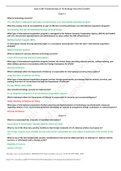
How successful was the league in the 1920s?
The league was based on the ideas of the idealist US president Woodrow Wilson (he wanted
a more peaceful world) whereas the British proposed a simple body only meeting in a time
of crisis, like the conference of ambassadors whereas the French proposed a stronger league
with an army but had power to enforce ideas effectively.
From the beginning, there was no unity, in the design or intention.
The League of nations (LON) was weakened when the US congress rejected the idea of the
membership in March 1920 (49-35).
Wilson was a democrat, but the republicans (Warren Harding) proposed an idea of
‘normalcy’, focusing back on to what the USA needs and wants, staying out of international
affairs.
The LON covenant set out 26 articles, more like rules, (like a contract, promise).
The leagues main aims were:
o discourage aggression
o encourage co operation
o Encourage disarmament
o improving people’s lives
Article 10 is the most important - collective security. This sets out how the league will work. If this
principle fails, essentially the whole league will fail as this is the only way the league can work.
The league’s structure was made up of permanent members (Britain (BF), France (Fr), Italy (It), Japan
(Ja)) but again from the beginning, they can’t get along, they can’t agree, have different priorities.
BR - trade, empire, seas
FR - making sure Germany was weak
IT - making IT stronger at the compromise of others and eventually IT breaks all the rules. A
key member against the aims foreshadows its failure.
JA’s aim changes: army takes political power; it becomes increasingly dominated by its army
and don’t want anything to do with the covenant.
Good
Aaland islands
Greek/Bulgarian War 1925
refugee problems in Bulgaria (Nansen passport)
mandates, the commissions were successful, some political disputes, Locarno treaties (peace
between FR and GE),
Bad
Geneva protocol - countries promises to solve disputes by going to the league but then the
new conservative BR government refuses to sign it
IT’s aggression towards GR is excused
The league was powerless to act against stronger or unwilling nations, who were usually the
key members of the league.
Why!
task was too big
members weren’t willing
How far did weakness in the League’s organisation make failure inevitable?
How successful was the league in the 1920s?
The league was based on the ideas of the idealist US president Woodrow Wilson (he wanted
a more peaceful world) whereas the British proposed a simple body only meeting in a time
of crisis, like the conference of ambassadors whereas the French proposed a stronger league
with an army but had power to enforce ideas effectively.
From the beginning, there was no unity, in the design or intention.
The League of nations (LON) was weakened when the US congress rejected the idea of the
membership in March 1920 (49-35).
Wilson was a democrat, but the republicans (Warren Harding) proposed an idea of
‘normalcy’, focusing back on to what the USA needs and wants, staying out of international
affairs.
The LON covenant set out 26 articles, more like rules, (like a contract, promise).
The leagues main aims were:
o discourage aggression
o encourage co operation
o Encourage disarmament
o improving people’s lives
Article 10 is the most important - collective security. This sets out how the league will work. If this
principle fails, essentially the whole league will fail as this is the only way the league can work.
The league’s structure was made up of permanent members (Britain (BF), France (Fr), Italy (It), Japan
(Ja)) but again from the beginning, they can’t get along, they can’t agree, have different priorities.
BR - trade, empire, seas
FR - making sure Germany was weak
IT - making IT stronger at the compromise of others and eventually IT breaks all the rules. A
key member against the aims foreshadows its failure.
JA’s aim changes: army takes political power; it becomes increasingly dominated by its army
and don’t want anything to do with the covenant.
Good
Aaland islands
Greek/Bulgarian War 1925
refugee problems in Bulgaria (Nansen passport)
mandates, the commissions were successful, some political disputes, Locarno treaties (peace
between FR and GE),
Bad
Geneva protocol - countries promises to solve disputes by going to the league but then the
new conservative BR government refuses to sign it
IT’s aggression towards GR is excused
The league was powerless to act against stronger or unwilling nations, who were usually the
key members of the league.
Why!
task was too big
members weren’t willing
How far did weakness in the League’s organisation make failure inevitable?