

Extra-Intestinal Nematodes Trichinellaspiralis
3. Serous Cavity
Filarial Nematodes live in either: Subcutaneous tissues, Lymphatic system,
Mansonellaperstans
or the serous cavity of the abdomen
Mansonellaozzardi
Arthropod-borne worms
Belong to the superfamily Filaroidea
Slender thread-like worms Periodicity
Female worms are viviparous
Nocturnal Periodicity –Largest number of microfilariae occur in the blood
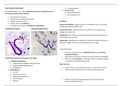
Microfilariae can either be Sheathed or Unsheathed
during night (Wuchereriabancrofti)
Sheathed Microfilariae Unsheathed Microfilariae
Diurnal Periodicity– Largest number of microfilariae in the blood occur
during the day (Loa loa)
Nonperiodic– Microfilariae circulate at constant levels during the day and
night (Onchocerca volvulus)
Subperiodic– Microfilariae are detected in the blood during the day but are
detected in higher numbers during late afternoon or at night
Filarial Nematodes
Life cycle is passed in 2 hosts: Definitive Host (man) and Blood-
sucking Arthropods
Eight species are known to infect man but 6 of them are pathogenic
Classification based on the location on the body Infection is called Filariasis, traditionally refers to lymphatic filariasis
1. Lymphatic Microfilariae caused by W. bancroftiand Brugia spp.
Wuchereriabancrofti(Bancroftianfilariasis) Basic Life Cycle
Brugiamalayi(Brugianfilariasis)
Brugiatimori 5 larval molts: 3 in the insect vector and 2 in the human reservoir
2. Subcutaneous Infection begins with the bite of an infected arthropod vector
Loa loa
Onchocerca volvulus
Mansonellastreptocerca
Parastrongylus 1. Infective L3 larvae are deposited into the skin or blood of the
Anisakis human via bite of the vector
, 2. Larva attains sexual maturity. During this time parasite undergoes 2 Microfilariae
mold and become adult (L5)
Colorless, translucent body with a blunt head
3. Adult female worm gives birth to L1 larva. Up to 50,000
microfilariae per day can be produced Measures 250-300 µm in length and 6-10 µm in thickness
4. Microfilariae are ingested by the arthropod vector; 2 molts occur, Can move forwards and backgrounds within the sheath
infective L3 larvae develop and capable of infecting the human host Covered by hyaline sheath
Do not multiply or undergo further development in the human body
Life span: 2-3 months
Wuchereriabancrofti(BancroftianFilariasis)
Historical Background
Ancient Egyptian, Hindu, and Persian physicians (600 BC) – first to
note Elephantiasis
1863, Demarquay discovered microfilariae in hydrocele fluid
1868, Wucherer found organisms in chylous urine
1872, Lewis found microfilariae in blood
1872, Bancroft found adult worm in a lymphatic abscess
Morphology
Adult worm
Periodicity: Nocturnal periodic; between 9-10 PM and 2-4 AM
Minute and thread-like with smooth cuticle and tapering ends Correlates with night biting habit of the vector
Creamy-white, long, and filiform in shape During day time spends mainly in the capillaries of the lung and
Female kidneys or in the heart and great vessels
Insect Vectors:
80-100mm x 0.24-0.30mm in diameter o Aedespoicilius
Posterior end is straight o Anopheles minimusflavirostris
Viviparous and directly liberates sheathed microfilariae into lymph o Culexquinquifasciatus(poor vector) – rest of Asia
Male Breeding Sites
40 mm long x 0.1 mm in diameter
Posterior end is curved and contains 2 spicules of unequal length
Life Span: >10-15 years
3. Serous Cavity
Filarial Nematodes live in either: Subcutaneous tissues, Lymphatic system,
Mansonellaperstans
or the serous cavity of the abdomen
Mansonellaozzardi
Arthropod-borne worms
Belong to the superfamily Filaroidea
Slender thread-like worms Periodicity
Female worms are viviparous
Nocturnal Periodicity –Largest number of microfilariae occur in the blood
Microfilariae can either be Sheathed or Unsheathed
during night (Wuchereriabancrofti)
Sheathed Microfilariae Unsheathed Microfilariae
Diurnal Periodicity– Largest number of microfilariae in the blood occur
during the day (Loa loa)
Nonperiodic– Microfilariae circulate at constant levels during the day and
night (Onchocerca volvulus)
Subperiodic– Microfilariae are detected in the blood during the day but are
detected in higher numbers during late afternoon or at night
Filarial Nematodes
Life cycle is passed in 2 hosts: Definitive Host (man) and Blood-
sucking Arthropods
Eight species are known to infect man but 6 of them are pathogenic
Classification based on the location on the body Infection is called Filariasis, traditionally refers to lymphatic filariasis
1. Lymphatic Microfilariae caused by W. bancroftiand Brugia spp.
Wuchereriabancrofti(Bancroftianfilariasis) Basic Life Cycle
Brugiamalayi(Brugianfilariasis)
Brugiatimori 5 larval molts: 3 in the insect vector and 2 in the human reservoir
2. Subcutaneous Infection begins with the bite of an infected arthropod vector
Loa loa
Onchocerca volvulus
Mansonellastreptocerca
Parastrongylus 1. Infective L3 larvae are deposited into the skin or blood of the
Anisakis human via bite of the vector
, 2. Larva attains sexual maturity. During this time parasite undergoes 2 Microfilariae
mold and become adult (L5)
Colorless, translucent body with a blunt head
3. Adult female worm gives birth to L1 larva. Up to 50,000
microfilariae per day can be produced Measures 250-300 µm in length and 6-10 µm in thickness
4. Microfilariae are ingested by the arthropod vector; 2 molts occur, Can move forwards and backgrounds within the sheath
infective L3 larvae develop and capable of infecting the human host Covered by hyaline sheath
Do not multiply or undergo further development in the human body
Life span: 2-3 months
Wuchereriabancrofti(BancroftianFilariasis)
Historical Background
Ancient Egyptian, Hindu, and Persian physicians (600 BC) – first to
note Elephantiasis
1863, Demarquay discovered microfilariae in hydrocele fluid
1868, Wucherer found organisms in chylous urine
1872, Lewis found microfilariae in blood
1872, Bancroft found adult worm in a lymphatic abscess
Morphology
Adult worm
Periodicity: Nocturnal periodic; between 9-10 PM and 2-4 AM
Minute and thread-like with smooth cuticle and tapering ends Correlates with night biting habit of the vector
Creamy-white, long, and filiform in shape During day time spends mainly in the capillaries of the lung and
Female kidneys or in the heart and great vessels
Insect Vectors:
80-100mm x 0.24-0.30mm in diameter o Aedespoicilius
Posterior end is straight o Anopheles minimusflavirostris
Viviparous and directly liberates sheathed microfilariae into lymph o Culexquinquifasciatus(poor vector) – rest of Asia
Male Breeding Sites
40 mm long x 0.1 mm in diameter
Posterior end is curved and contains 2 spicules of unequal length
Life Span: >10-15 years


