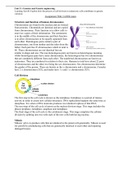
Global pattern of air circulation Distribution of Droughts Distribution of Tropical Storms.
Atmospheric circulation is the large-scale movement of air by which Drought can occur anywhere throughout the world but they are more frequent They are known by many names, including hurricanes (North America),
heat is distributed on the surface of the Earth. and severe along the tropics of Cancer and Capricorn. Australia and many cyclones (India) and typhoons (Japan and East Asia). They all occur in a
countries within Africa, such as Ethiopia, suffer from severe drought conditions. band that lies roughly between the tropics of Cancer and Capricorn and
Hadley cell Largest cell which extends from the Equator to despite varying wind speeds are ferocious storms. Some storms can form
between 30° to 40° north & south. just outside of the tropics, but generally the distribution of these storms is
Causes of Drought: El Nino effect controlled by the places where sea temperatures rise above 27°C.
Ferrel cell Middle cell where air flows poleward between The El Nino effect is also associated with creating dry conditions.
60° & 70° latitude. Formation of Tropical Storms
Normally, warm ocean currents
Polar cell Smallest & weakness cell that occurs from the off the coast of Australia cause 1 The sun’s rays heats large areas of ocean in the summer. This
poles to the Ferrel cell. moist warm air to rise and causes warm, moist air to rise over the particular spots
condense causing storms and
rain over Australia.
Climate Zones 2 Once the temperature is 27⁰, the rising warm moist air leads to a
low pressure. This eventually turns into a thunderstorm. This
causes air to be sucked in from the trade winds.
The global circulation system controls temperatures by influencing
precipitation and the prevailing winds. This creates distinctive
climate zones. In an El Niño year (every 2-7 years) the 3 With trade winds blowing in the opposite direction and the rotation
cycle reverses. Cooler water off the coast of earth involved (Coriolis effect), the thunderstorm will
of Australia reverses the wind direction eventually start to spin.
Temperate Mid-latitude, 50° - 60° north &south of the
Climate Equator. Here air rises and cools to form leading to dry, sinking air over Australia
clouds and therefore frequent rainfall. e.g. UK. causing hot weather and a lack of 4 When the storm begins to spin faster than 74mph, a tropical storm
rainfall. (such as a hurricane) is officially born.
Tropical Found along the Equatorial belt, this zones
Climate experiences heavy rainfall and thunderstorms. 5 With the tropical storm growing in power, more cool air sinks in the
E.g. Brazil. Topic 1 centre of the storm, creating calm, clear condition called the eye of
the storm.
Polar Climate
Desert Climate
Within the polar zones cold air sinks causing
dry, icy and strong winds. E.g. Antarctica.
30° north and south of the equator, sinking dry
airs leads to high temperatures without
Global Hazards Extremes in weather conditions
6 When the tropical storm hit land, it loses its energy source (the
warm ocean) and it begins to lose strength. Eventually it will ‘blow
itself out’.
conditions for rainfall. E.g. Libya. Case Study: UK Heatwave 2003
Wellington, New Zealand Puerto Lopez
Very high wind speeds (248mkm/h) Found along the equator, high Causes
High and Low Pressure What is wind? due to the surrounding mountains temperatures lead to rapid
funnelling wind. condensation and heavy rainfall. The heatwave was caused by an anticyclone (areas of high pressure) that
stayed in the area for most of August. This blocked any low pressure
High Pressure Low Pressure Wind is the movement of systems that normally brings cooler and rainier conditions.,
air from an area of high The Atacama, Chile Mawsynram, India
Caused by cold air Caused by hot air rising. pressure to one of low The Andes mountains block moist This village see a lot of rain each year
pressure. warm travelling any further west. This (11m per yr). This is due to the Effects Management
sinking. Causes clear and Causes stormy, cloudy
calm weather weather. causes rainfall to the east, but a rain reversal of air conditions/directions
shallow to the west. from sea to land. In the summer, this • People suffered from heat • The NHS and media gave
contributes to monsoons. strokes and dehydration. guidance to the public.
Types of wind Types of precipitation • 2000 people died from • Limitations placed on water
use (hose pipe ban).
causes linked to heatwave.
Katabatic Winds that carry air from the high Convectional When the land warms up, it heats • Speed limits imposed on
Changing pattern of these Hazards • Rail network disrupted and trains and government
Winds ground down a slope due to gravity. Rainfall the air enough to expand and rise. crop yields were low.
e.g. Antarctic. created ‘heatwave plan’.
As the air rises it cools and
condenses. If this process continues Tropical Scientist believe that
Trade Winds Wind that blow from high pressure then rain will fall. Storms global warming is having Case Study: Typhoon Haiyan 2013
belts to low pressure belts. an impact on the
frequency and strength of
Frontal When warm air meets cool air an tropical storms. This may Causes
Jet Streams These are winds that are high in the Rainfall front is formed. As the warm air rises be due to an increase in
atmosphere travelling at speeds of over the cool air, clouds are ocean temperatures. Started as a tropical depression on 2rd November 2013 and gained
225km/h. produced. Eventually steady rain is strength. Became a Category 5 “super typhoon”.
produced.
Effects Management
What is precipitation? Droughts The severity of droughts
Relief Rainfall When wind meets mountains, the have increase since the
1940s. This may be due to • Almost 4,000 deaths. • The UN raised £190m in aid.
This is when water vapour is carried by warm air that warm air is forced to rise quickly and • 130,000 homes destroyed • USA & UK sent helicopter
rises. As it gets higher, the air cools and the water cool. This leads condensation and changing rainfall and
evaporation patterns • Water and sewerage systems carrier ships deliver aid
vapour condenses to form a cloud. As water molecule eventually rainfall. When the air destroyed caused diseases. remote areas.
collide and become heavier, the water will fall to Earth descend however, little very rainfall related to gradual climate
change. • Emotional grief for lost ones. • Education on typhoon
as precipitation. falls, creating a rain shadow. preparedness.
Atmospheric circulation is the large-scale movement of air by which Drought can occur anywhere throughout the world but they are more frequent They are known by many names, including hurricanes (North America),
heat is distributed on the surface of the Earth. and severe along the tropics of Cancer and Capricorn. Australia and many cyclones (India) and typhoons (Japan and East Asia). They all occur in a
countries within Africa, such as Ethiopia, suffer from severe drought conditions. band that lies roughly between the tropics of Cancer and Capricorn and
Hadley cell Largest cell which extends from the Equator to despite varying wind speeds are ferocious storms. Some storms can form
between 30° to 40° north & south. just outside of the tropics, but generally the distribution of these storms is
Causes of Drought: El Nino effect controlled by the places where sea temperatures rise above 27°C.
Ferrel cell Middle cell where air flows poleward between The El Nino effect is also associated with creating dry conditions.
60° & 70° latitude. Formation of Tropical Storms
Normally, warm ocean currents
Polar cell Smallest & weakness cell that occurs from the off the coast of Australia cause 1 The sun’s rays heats large areas of ocean in the summer. This
poles to the Ferrel cell. moist warm air to rise and causes warm, moist air to rise over the particular spots
condense causing storms and
rain over Australia.
Climate Zones 2 Once the temperature is 27⁰, the rising warm moist air leads to a
low pressure. This eventually turns into a thunderstorm. This
causes air to be sucked in from the trade winds.
The global circulation system controls temperatures by influencing
precipitation and the prevailing winds. This creates distinctive
climate zones. In an El Niño year (every 2-7 years) the 3 With trade winds blowing in the opposite direction and the rotation
cycle reverses. Cooler water off the coast of earth involved (Coriolis effect), the thunderstorm will
of Australia reverses the wind direction eventually start to spin.
Temperate Mid-latitude, 50° - 60° north &south of the
Climate Equator. Here air rises and cools to form leading to dry, sinking air over Australia
clouds and therefore frequent rainfall. e.g. UK. causing hot weather and a lack of 4 When the storm begins to spin faster than 74mph, a tropical storm
rainfall. (such as a hurricane) is officially born.
Tropical Found along the Equatorial belt, this zones
Climate experiences heavy rainfall and thunderstorms. 5 With the tropical storm growing in power, more cool air sinks in the
E.g. Brazil. Topic 1 centre of the storm, creating calm, clear condition called the eye of
the storm.
Polar Climate
Desert Climate
Within the polar zones cold air sinks causing
dry, icy and strong winds. E.g. Antarctica.
30° north and south of the equator, sinking dry
airs leads to high temperatures without
Global Hazards Extremes in weather conditions
6 When the tropical storm hit land, it loses its energy source (the
warm ocean) and it begins to lose strength. Eventually it will ‘blow
itself out’.
conditions for rainfall. E.g. Libya. Case Study: UK Heatwave 2003
Wellington, New Zealand Puerto Lopez
Very high wind speeds (248mkm/h) Found along the equator, high Causes
High and Low Pressure What is wind? due to the surrounding mountains temperatures lead to rapid
funnelling wind. condensation and heavy rainfall. The heatwave was caused by an anticyclone (areas of high pressure) that
stayed in the area for most of August. This blocked any low pressure
High Pressure Low Pressure Wind is the movement of systems that normally brings cooler and rainier conditions.,
air from an area of high The Atacama, Chile Mawsynram, India
Caused by cold air Caused by hot air rising. pressure to one of low The Andes mountains block moist This village see a lot of rain each year
pressure. warm travelling any further west. This (11m per yr). This is due to the Effects Management
sinking. Causes clear and Causes stormy, cloudy
calm weather weather. causes rainfall to the east, but a rain reversal of air conditions/directions
shallow to the west. from sea to land. In the summer, this • People suffered from heat • The NHS and media gave
contributes to monsoons. strokes and dehydration. guidance to the public.
Types of wind Types of precipitation • 2000 people died from • Limitations placed on water
use (hose pipe ban).
causes linked to heatwave.
Katabatic Winds that carry air from the high Convectional When the land warms up, it heats • Speed limits imposed on
Changing pattern of these Hazards • Rail network disrupted and trains and government
Winds ground down a slope due to gravity. Rainfall the air enough to expand and rise. crop yields were low.
e.g. Antarctic. created ‘heatwave plan’.
As the air rises it cools and
condenses. If this process continues Tropical Scientist believe that
Trade Winds Wind that blow from high pressure then rain will fall. Storms global warming is having Case Study: Typhoon Haiyan 2013
belts to low pressure belts. an impact on the
frequency and strength of
Frontal When warm air meets cool air an tropical storms. This may Causes
Jet Streams These are winds that are high in the Rainfall front is formed. As the warm air rises be due to an increase in
atmosphere travelling at speeds of over the cool air, clouds are ocean temperatures. Started as a tropical depression on 2rd November 2013 and gained
225km/h. produced. Eventually steady rain is strength. Became a Category 5 “super typhoon”.
produced.
Effects Management
What is precipitation? Droughts The severity of droughts
Relief Rainfall When wind meets mountains, the have increase since the
1940s. This may be due to • Almost 4,000 deaths. • The UN raised £190m in aid.
This is when water vapour is carried by warm air that warm air is forced to rise quickly and • 130,000 homes destroyed • USA & UK sent helicopter
rises. As it gets higher, the air cools and the water cool. This leads condensation and changing rainfall and
evaporation patterns • Water and sewerage systems carrier ships deliver aid
vapour condenses to form a cloud. As water molecule eventually rainfall. When the air destroyed caused diseases. remote areas.
collide and become heavier, the water will fall to Earth descend however, little very rainfall related to gradual climate
change. • Emotional grief for lost ones. • Education on typhoon
as precipitation. falls, creating a rain shadow. preparedness.