Hegelian Dialectic: Meaning and Key Concepts
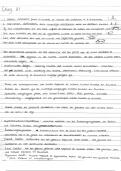
In these notes, I will sketch very briefly the key intuition of Hegelian dialectic. My aim
here is to offer an alternative to the seemingly confusing and at times misleading
interpretation of Hegelian dialectic.
At the heart of the concept of Hegelian dialectic is the idea that every being or
everything that exists is contradictory in itself. In other words, everything that exists
contains within itself its own negation and the “seeds for its own ineluctable destruction
and transformation”. Thus, for Hegel, the dialectic is the formal structure of reality, that
is to say, the dialectic is the Essence of everything that exists, material or immaterial.
The idea of Essence is particularly important in understanding Hegelian dialectic. This is
because Essence denotes the unity or identity of being throughout the actual process of
change. This means that for Hegel, the being at the end of the dialectical process is the
same as the being at the beginning of the process. Hence, the being at the end of the
dialectical process is simply the actualization of the same being that existed at the
beginning of the process, but existed there as an “idea”. Consider, for instance, the way
in which an architect actualizes the idea of a house. As we can see, before the house
becomes an actual house, it has already existed in the mind of the architect as an idea.
So, there was an idea of the house, that is, a “plan” of the house before it was
actualized. The actual house, therefore, which is the “end” of the process, is the same
with the idea of the house at the beginning of the process.
It must be noted, however, that Hegel’s concept of unity or identity is not a permanent
substratum that defines being, but “a process wherein everything copes with its
inherent contradictions and unfold itself as a result”. For this reason, the idea of Essence
in Hegelian dialectic should not be viewed from the vantage point of essentialism. Of
course, there is no such thing as “essence” in Hegel that defines being as such. For
example, because for Hegel everything is in the constant process of change, we cannot,
therefore, talk of the essence of man; there is no such thing as human nature for Hegel.
The concept of unity or identity, therefore, is nothing but the negation of every
being. Thus, again, Hegel’s concept of Essence specifically refers to that constant
process of change, of constant negation, and not of that which makes a thing truly a
thing.
The notion of negativity which is internal to all beings does not only involve with mere
contradiction. Negativity as the essential character of every being implies that being is
always in the process of becoming, that is to say, the process of developing all relations
In these notes, I will sketch very briefly the key intuition of Hegelian dialectic. My aim
here is to offer an alternative to the seemingly confusing and at times misleading
interpretation of Hegelian dialectic.
At the heart of the concept of Hegelian dialectic is the idea that every being or
everything that exists is contradictory in itself. In other words, everything that exists
contains within itself its own negation and the “seeds for its own ineluctable destruction
and transformation”. Thus, for Hegel, the dialectic is the formal structure of reality, that
is to say, the dialectic is the Essence of everything that exists, material or immaterial.
The idea of Essence is particularly important in understanding Hegelian dialectic. This is
because Essence denotes the unity or identity of being throughout the actual process of
change. This means that for Hegel, the being at the end of the dialectical process is the
same as the being at the beginning of the process. Hence, the being at the end of the
dialectical process is simply the actualization of the same being that existed at the
beginning of the process, but existed there as an “idea”. Consider, for instance, the way
in which an architect actualizes the idea of a house. As we can see, before the house
becomes an actual house, it has already existed in the mind of the architect as an idea.
So, there was an idea of the house, that is, a “plan” of the house before it was
actualized. The actual house, therefore, which is the “end” of the process, is the same
with the idea of the house at the beginning of the process.
It must be noted, however, that Hegel’s concept of unity or identity is not a permanent
substratum that defines being, but “a process wherein everything copes with its
inherent contradictions and unfold itself as a result”. For this reason, the idea of Essence
in Hegelian dialectic should not be viewed from the vantage point of essentialism. Of
course, there is no such thing as “essence” in Hegel that defines being as such. For
example, because for Hegel everything is in the constant process of change, we cannot,
therefore, talk of the essence of man; there is no such thing as human nature for Hegel.
The concept of unity or identity, therefore, is nothing but the negation of every
being. Thus, again, Hegel’s concept of Essence specifically refers to that constant
process of change, of constant negation, and not of that which makes a thing truly a
thing.
The notion of negativity which is internal to all beings does not only involve with mere
contradiction. Negativity as the essential character of every being implies that being is
always in the process of becoming, that is to say, the process of developing all relations