NRNP_6665_Week_4_Assignment_Assessing__Diagnosing__and_Treating_Adults_With_Mood_Disorders_INSTRUCTI.pdf
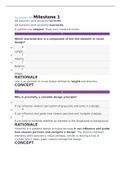
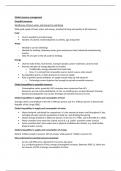
1 – nursing process and drug therapy Correct nursing dx – anxiety related to new drug therapy as evidenced by statements such as “I’m upset about having to test my blood sugars” 3 step process. Right dose, right time, right route, right medication, right patient Nursing process – ADPIE Outcome criterion for patient recently diagnosed with type 1 diabetes: “Demonstrating correct blood glucose testing technique” is a specific and measurable outcome criterion. Contact prescriber to confirm all rights of med administration. Even route. Doses are not interchangeable with different routes. meals may need to be considered when timing medications. Subjective data is what the patient SAYS. Objective is what you OBSERVE. 2 – Pharmacologic Principles Bioequivalent – two drugs absorbed into the circulation in the same amount of time. IV route allows for quicker action of the medication. Parenteral drugs bypass the first-pass effect. Sublingual, transdermal also bypass it. PO medications that are metabolized by the liver are effected by it. A pharmacologic reaction is an extension of a drug’s normal effects in the body. i.e. low BP in pt taking drug to lower BP… lethargy, difficult to awaken. Half-life - The time it takes for one half of the original amount of a drug to be removed from the body. Duration of action - The time period at which a drug’s concentration is sufficient to cause a therapeutic response. With selective enzyme interaction, the drug attracts the enzymes to bind with the drug instead of allowing the enzymes to bind with their normal target cells Drugs that are bound to plasma proteins are characterized by longer duration of action. Route of administration – sublingual is under the tongue. Subcutaneous is into the fatty tissue of abdomen. Pt with renal failure will have problems with excretion of drugs. Palliative care is therapy to keep patients comfortable such as pt with advanced cancer receiving around the clock opioid meds. Which OTC route works the fastest? Powder. Then in order tablet, capsule, enteric-coated tablet 3 - Lifespan Considerations Drug transfer is more likely during last trimester because of enhanced blood flow to the fetus. Pregnancy drug categories – Category D, pose a possible fetal risk but the potential benefits may warrant use. Pediatric doses are weight based. Mg/kg. consider organ maturity when dosing as well. Neonates liver is not fully developed and cannot detoxify many drugs. Polypharmacy – use of multiple medications simultaneously. Confusion, forgetfulness, increased fall risk is common response for elderly pt taking sedatives Elderly patient may have reduction in stomachs ability to produce hydrochloric acid resulting in altered absorption of weakly acidic drugs Pharmacology Final Exam Study Guide – January 2021 Cumulative Chapters 1-7, 10-28, 30-41, 44, 47, 48, 50-52, 54, 56, 58 An elderly woman is taking thiazide diuretic to tx mild HF. Watch for electrolyte imbalance, legs cramps, fatigue, and dehydration. “start low and go slow” for elderly patient dosing. For giving liquid PO meds with strong taste to peds patient, give with spoonful of ice cream. For giving an injection to 4 yr old, offer a short but concrete explanation of the procedure at the patient’s level and with parent present. True regarding pediatric patients and pharmacokinetics. o a. The levels of microsomal enzymes are decreased. o b. Perfusion to the kidneys may be decreased and may result in reduced renal function. o d. First-pass elimination is reduced because of the immaturity of the liver. o f. Gastric emptying is slowed because of slow or irregular peristalsis. True regarding elderly patients and pharmacokinetics o a. The levels of microsomal enzymes are decreased. o b. Fat content is increased because of decreased lean body mass. o e. The number of intact nephrons is decreased. o f. Gastric pH is less acidic. 4 – Cultural, legal, and ethical Considerations placebo is included in research to prevent bias or unrealistic expectations. Phase I studies involve small numbers of healthy volunteers to determine optimal dosage range and the pharmacokinetics of the drug. Schedule
École, étude et sujet
Infos sur le Document
- Publié le
- 8 juillet 2021
- Nombre de pages
- 13
- Écrit en
- 2020/2021
- Type
- Examen
- Contient
- Inconnu
Sujets
-
nrnp6665week4assignment
-
assignmentassessingdiagno

Document également disponible en groupe