What is MAGICAL REALISM? WHAT ARE THE CHARACTERISTICS? How does it differ from fantasy?
● Mode of writing that includes fantasy or mythical components in realistic fiction. Normal
setting with a thread of magic and extraordinary (not Harry Potter, wists of reality that
make extraordinary, believable).
● Purpose: wants you to wonder what is real and what isn’t.
● Intertwines normal aspects of life with magical aspects of life that makes it difficult to
determine where reality and ordinary stopped.
● When magical realism is done well, it gets the reader to suspend (stop) their disbelief. Get
, you to believe as much as they want without you questioning why.
Characteristics:
● Magical and ordinary are tied up seamlessly (can’t pick them apart)
● Setting is in an ordinary world that is familiar to us (familiar historical or cultural
references), but story events are not always explained by universal laws and familiar logic.
MR works because it first draws you in with familiarity and once you’ve gotten
comfortable, realities are twisted and can’t be explained or justified with science or logic.
Makes the audience feel like they know what is going on before realities are changed.
○ This characteristic applies to the characters, interpersonal relationships and
languages too.
● Objects and settings in the story take on lives of their own in a way that a character might
in a story. (animals and sea having power of character). Character is comfortable with the
power of objects in the story.
● Story bears influence of oral traditions such as fables, myths, tall tales, urban legends. Has
a charmed narrator that may or may not be reliable. Mystical quality of writing that feels
like it has been passed down and has an otherworldly element. Narrator may be
unreliable because it goes back to the theme of what is real and what isn’t.
● Constructs of time don’t follow typical western conventions - doesn’t use a linear plot
(beginning, middle, end). Stories may be told in spiraling shapes rather than in straight
lines and as the story unfolds, it gives the reader a sense of being inside a puzzle or maze.
Starts with present, then past, then spliced present and past.
● Not fantasy - uses ordinary in an extraordinary way.
Realism in Pi
● Pondicherry and Canada are places that exist
● The religions in the book are ones we have heard of before: Buddhism, Islam, Christianity
● History: political turmoil of India, Pondicherry as a former colonial satellite of England.
Questions assumptions of world
We are introduced to a different kind of normal and how we should look at the world after we
finish the book.
● Understanding of animals: how we treat animals, dignity and beauty of animals
● God and religion
● Nature of truth: why we believe in one truth and not another
● Nature of humans being inherently savage: look at our nature and why when we are given
, the option, we choose savagery and evil.
Even though the bigger picture seems bizarre, reality is in the details.
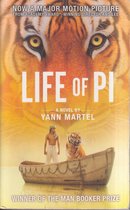
, Who is the Author (in “The Author’s Note”)? Why has Yann Martel included his voice?
STRUCTURALLY, what has the author’s voice done to the novel?
Central Ideas
● Verisimilitude: When the narrator tries to
give the sense that what he is presenting is
real.
‘Author’s note’ (pg 1): Even claiming that this is the
● The nature of a good story
author’s note gives into the assumption that it is
● Faith Yann Martel speaking and therefore what he is
saying in the note is legitimate. It is deliberately
misleading- this is a fictional author who is
Novel is not linear- it uses a frame narramed by presenting as Yann Martel.
someone older. Even from the beginning of the
book, the novel does a lot to give us the sense of
legitimacy and accuracy. In this way, later on in the
novel, the readers go along with the story when
magical realism takes form.
We are tricked into thinking that this is a first hand
experience.
“This”- demonstrative pronoun. The actual copy that
you have in your hand. This makes you involved in
the story.
“Hunger”: desperation for fame, a literary presence ‘This book was born when I was hungry’ (pg 1)
The Author
● The author’s note is a semi-fictitious
author’s note with some facts being true
about Martel and others being included to
enhance the believability and power of the
story
● Mode of writing that includes fantasy or mythical components in realistic fiction. Normal
setting with a thread of magic and extraordinary (not Harry Potter, wists of reality that
make extraordinary, believable).
● Purpose: wants you to wonder what is real and what isn’t.
● Intertwines normal aspects of life with magical aspects of life that makes it difficult to
determine where reality and ordinary stopped.
● When magical realism is done well, it gets the reader to suspend (stop) their disbelief. Get
, you to believe as much as they want without you questioning why.
Characteristics:
● Magical and ordinary are tied up seamlessly (can’t pick them apart)
● Setting is in an ordinary world that is familiar to us (familiar historical or cultural
references), but story events are not always explained by universal laws and familiar logic.
MR works because it first draws you in with familiarity and once you’ve gotten
comfortable, realities are twisted and can’t be explained or justified with science or logic.
Makes the audience feel like they know what is going on before realities are changed.
○ This characteristic applies to the characters, interpersonal relationships and
languages too.
● Objects and settings in the story take on lives of their own in a way that a character might
in a story. (animals and sea having power of character). Character is comfortable with the
power of objects in the story.
● Story bears influence of oral traditions such as fables, myths, tall tales, urban legends. Has
a charmed narrator that may or may not be reliable. Mystical quality of writing that feels
like it has been passed down and has an otherworldly element. Narrator may be
unreliable because it goes back to the theme of what is real and what isn’t.
● Constructs of time don’t follow typical western conventions - doesn’t use a linear plot
(beginning, middle, end). Stories may be told in spiraling shapes rather than in straight
lines and as the story unfolds, it gives the reader a sense of being inside a puzzle or maze.
Starts with present, then past, then spliced present and past.
● Not fantasy - uses ordinary in an extraordinary way.
Realism in Pi
● Pondicherry and Canada are places that exist
● The religions in the book are ones we have heard of before: Buddhism, Islam, Christianity
● History: political turmoil of India, Pondicherry as a former colonial satellite of England.
Questions assumptions of world
We are introduced to a different kind of normal and how we should look at the world after we
finish the book.
● Understanding of animals: how we treat animals, dignity and beauty of animals
● God and religion
● Nature of truth: why we believe in one truth and not another
● Nature of humans being inherently savage: look at our nature and why when we are given
, the option, we choose savagery and evil.
Even though the bigger picture seems bizarre, reality is in the details.
, Who is the Author (in “The Author’s Note”)? Why has Yann Martel included his voice?
STRUCTURALLY, what has the author’s voice done to the novel?
Central Ideas
● Verisimilitude: When the narrator tries to
give the sense that what he is presenting is
real.
‘Author’s note’ (pg 1): Even claiming that this is the
● The nature of a good story
author’s note gives into the assumption that it is
● Faith Yann Martel speaking and therefore what he is
saying in the note is legitimate. It is deliberately
misleading- this is a fictional author who is
Novel is not linear- it uses a frame narramed by presenting as Yann Martel.
someone older. Even from the beginning of the
book, the novel does a lot to give us the sense of
legitimacy and accuracy. In this way, later on in the
novel, the readers go along with the story when
magical realism takes form.
We are tricked into thinking that this is a first hand
experience.
“This”- demonstrative pronoun. The actual copy that
you have in your hand. This makes you involved in
the story.
“Hunger”: desperation for fame, a literary presence ‘This book was born when I was hungry’ (pg 1)
The Author
● The author’s note is a semi-fictitious
author’s note with some facts being true
about Martel and others being included to
enhance the believability and power of the
story