PN EXIT HESI EXAM QUESTIONS AND ANSWERS BEST RATED
A+ GUARANTEED SUCCESS NEW
• The practical nurse (PN) is observing a client self-
vc vc vc vc vc vc vc vc
administering a dose if subcutaneousinsulin. What step of the injection vc vc vc vc vc vc vc vc vc vc
technique should the practical nurse (PN) reteach? vc vc vc vc vc vc
a. Injects air into the insulin vial to displace the dose
vc vc vc vc vc vc vc vc vc
b. Selects the same site that was used for the previous injection
vc vc vc vc vc vc vc vc vc vc
c. Inserts the needle at a 90-degree angle to the skin surface
vc vc vc vc vc vc vc vc vc vc
d. Uses a circular motion when applying an alcohol pad to the site
vc vc vc vc vc vc vc vc vc vc vc
Rationale: The PN should reteach the client to rotate the NOON site to a site other
vc vc vc vc vc vc vc vc vc vc vc vc vc vc vc vc
than the same one used for the AM dose. Different sites used throughout the day m
vc vc vc vc vc vc vc vc vc vc vc vc vc vc vc
ay provide a varying rate of absorption related to activity. Intra-
vc vc vc vc vc vc vc vc vc vc
site rotation is recommended for the doseused during one specific time of the day
vc vc vc vc vc vc vc vc vc vc vc vc vc
. The other choices are acceptable techniques for subcutaneous injection of insuli
vc vc vc vc vc vc vc vc vc vc vc
n.
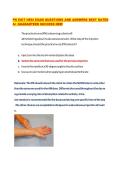
,• The practical nurse (PN) observes a newly hired unlicensed assistive pe
vc vc vc vc vc vc vc vc vc vc
rsonnel (UAP) who is counting a client’s radial pulse as seen in the
vc vc vc vc vc vc vc vc vc vc vc vc
, picture. Which action should the PNtake? vc vc vc vc vc
a. Confirm accuracy of the pulse rate obtained by the UAP vc vc vc vc vc vc vc vc vc
b. Instruct the UAP to report any abnormal findings vc vc vc vc vc vc vc
c. Remind the UAP to check the clients pulse volume vc vc vc vc vc vc vc vc
d. Demonstrate the correct pulse site to the UAP (follow the thumb for the vc vc vc vc vc vc vc vc vc vc vc vc
vc radial pulse,follow the pinky for the brachial)
vc vc vc vc vc vc
Rationale: When checking the radial pulse, the index and middle finger should be a
vc vc vc vc vc vc vc vc vc vc vc v c vc
ligned withthe thumb, for brachial pulse assessment should be aligned with the pin
vc vc vc vc vc vc vc vc vc vc vc vc
ky finger.
vc
• The birth weight of an infant delivered by a woman with gestational diab
vc vc vc vc vc vc vc vc vc vc vc vc
etes is 10.1 pounds (4,581 grams). The infant is jittery and has a heel stick
vc vc vc vc vc vc vc vc vc vc vc vc vc vc vc
glucose level of 40 mg/dL(2.2 mmol/L or SI units) 30 minutes after birth. B
vc vc vc vc vc vc vc vc vc vc vc vc vc
ased on this information, which intervention should the practical nurse (
vc vc vc vc vc vc vc vc vc vc
PN) implement first?
vc vc
a. Repeat the heel stick for glucose in one hour
vc vc vc vc vc vc vc vc
b. Offer nipple feedings of 10% dextrose
vc vc vc vc vc
c. Begin frequent feedings of breast milk or formula
vc vc vc vc vc vc vc
d. Assess for signs of hypocalcemia vc vc vc vc
Rationale: Providing frequent feedings will reduce the infants blood glucose; we wo
vc vc vc vc vc vc vc vc vc vc vc
uldn’twant to obtain another heel stick as we want to do less invasive as possible.
vc vc vc vc vc vc vc vc vc vc vc vc vc vc
, • A client consumes 8 ounces (oz) of broth, 4 oz of apple juice, 4 ounces of flav
vc vc vc vc vc vc vc vc vc vc vc vc vc vc vc vc
ored gelatinand 1 banana. During the same shift, this client receives 1 liter of
vc vc vc vc vc vc vc vc vc vc vc vc vc vc
IV fluid and voids 700 mL. How many mL total oral and IV intake should the P
vc vc vc vc vc vc vc vc vc vc vc vc vc vc vc vc
N document on the client’s medical record? (Enter numeric value only).
vc vc vc vc vc vc vc vc vc vc
8 oz x 30 mL = 240 mL
vc vc vc vc vc vc vc
4 oz x 30 mL = 120 mL
vc vc vc vc vc vc vc
4 oz x 30 mL = 120 mL
vc vc vc vc vc vc vc
1 L = 1000 mL
vc vc vc vc
Total intake = 1480 mL vc vc vc vc
• The nurse is very busy and running late with administering medications
vc vc vc vc vc vc vc vc vc vc vc
and asks thepractical nurse (PN) to administer a medication already dra
vc vc vc vc vc vc vc vc vc vc
wn up in an unlabeled syringe. How should the PN respond?
vc vc vc vc vc vc vc vc vc vc
a. “You should know that I cannot administer the medication in this syringe”
vc vc vc vc vc vc vc vc vc vc vc
b. “As long as the charge nurse checks the syringe, I can give the medication”
vc vc vc vc vc vc vc vc vc vc vc vc vc
c. “Teamwork is the best approach. I will be glad to help you get caught up” vc vc vc vc vc vc vc vc vc vc vc vc vc vc
d. “I am not comfortable doing that. Is there something else I can do to hel
vc vc vc vc vc vc vc vc vc vc vc vc vc vc
p you?”
vc
Rationale: Explaining your comfortability is always okay because you don’t want t
vc vc vc vc vc vc vc vc vc vc vc
o jeopardizeyour license, so offering to help with the nurse’s other workload is bei
vc vc vc vc vc vc vc vc vc vc vc vc vc
ng. A team player.
vc vc vc
A+ GUARANTEED SUCCESS NEW
• The practical nurse (PN) is observing a client self-
vc vc vc vc vc vc vc vc
administering a dose if subcutaneousinsulin. What step of the injection vc vc vc vc vc vc vc vc vc vc
technique should the practical nurse (PN) reteach? vc vc vc vc vc vc
a. Injects air into the insulin vial to displace the dose
vc vc vc vc vc vc vc vc vc
b. Selects the same site that was used for the previous injection
vc vc vc vc vc vc vc vc vc vc
c. Inserts the needle at a 90-degree angle to the skin surface
vc vc vc vc vc vc vc vc vc vc
d. Uses a circular motion when applying an alcohol pad to the site
vc vc vc vc vc vc vc vc vc vc vc
Rationale: The PN should reteach the client to rotate the NOON site to a site other
vc vc vc vc vc vc vc vc vc vc vc vc vc vc vc vc
than the same one used for the AM dose. Different sites used throughout the day m
vc vc vc vc vc vc vc vc vc vc vc vc vc vc vc
ay provide a varying rate of absorption related to activity. Intra-
vc vc vc vc vc vc vc vc vc vc
site rotation is recommended for the doseused during one specific time of the day
vc vc vc vc vc vc vc vc vc vc vc vc vc
. The other choices are acceptable techniques for subcutaneous injection of insuli
vc vc vc vc vc vc vc vc vc vc vc
n.
,• The practical nurse (PN) observes a newly hired unlicensed assistive pe
vc vc vc vc vc vc vc vc vc vc
rsonnel (UAP) who is counting a client’s radial pulse as seen in the
vc vc vc vc vc vc vc vc vc vc vc vc
, picture. Which action should the PNtake? vc vc vc vc vc
a. Confirm accuracy of the pulse rate obtained by the UAP vc vc vc vc vc vc vc vc vc
b. Instruct the UAP to report any abnormal findings vc vc vc vc vc vc vc
c. Remind the UAP to check the clients pulse volume vc vc vc vc vc vc vc vc
d. Demonstrate the correct pulse site to the UAP (follow the thumb for the vc vc vc vc vc vc vc vc vc vc vc vc
vc radial pulse,follow the pinky for the brachial)
vc vc vc vc vc vc
Rationale: When checking the radial pulse, the index and middle finger should be a
vc vc vc vc vc vc vc vc vc vc vc v c vc
ligned withthe thumb, for brachial pulse assessment should be aligned with the pin
vc vc vc vc vc vc vc vc vc vc vc vc
ky finger.
vc
• The birth weight of an infant delivered by a woman with gestational diab
vc vc vc vc vc vc vc vc vc vc vc vc
etes is 10.1 pounds (4,581 grams). The infant is jittery and has a heel stick
vc vc vc vc vc vc vc vc vc vc vc vc vc vc vc
glucose level of 40 mg/dL(2.2 mmol/L or SI units) 30 minutes after birth. B
vc vc vc vc vc vc vc vc vc vc vc vc vc
ased on this information, which intervention should the practical nurse (
vc vc vc vc vc vc vc vc vc vc
PN) implement first?
vc vc
a. Repeat the heel stick for glucose in one hour
vc vc vc vc vc vc vc vc
b. Offer nipple feedings of 10% dextrose
vc vc vc vc vc
c. Begin frequent feedings of breast milk or formula
vc vc vc vc vc vc vc
d. Assess for signs of hypocalcemia vc vc vc vc
Rationale: Providing frequent feedings will reduce the infants blood glucose; we wo
vc vc vc vc vc vc vc vc vc vc vc
uldn’twant to obtain another heel stick as we want to do less invasive as possible.
vc vc vc vc vc vc vc vc vc vc vc vc vc vc
, • A client consumes 8 ounces (oz) of broth, 4 oz of apple juice, 4 ounces of flav
vc vc vc vc vc vc vc vc vc vc vc vc vc vc vc vc
ored gelatinand 1 banana. During the same shift, this client receives 1 liter of
vc vc vc vc vc vc vc vc vc vc vc vc vc vc
IV fluid and voids 700 mL. How many mL total oral and IV intake should the P
vc vc vc vc vc vc vc vc vc vc vc vc vc vc vc vc
N document on the client’s medical record? (Enter numeric value only).
vc vc vc vc vc vc vc vc vc vc
8 oz x 30 mL = 240 mL
vc vc vc vc vc vc vc
4 oz x 30 mL = 120 mL
vc vc vc vc vc vc vc
4 oz x 30 mL = 120 mL
vc vc vc vc vc vc vc
1 L = 1000 mL
vc vc vc vc
Total intake = 1480 mL vc vc vc vc
• The nurse is very busy and running late with administering medications
vc vc vc vc vc vc vc vc vc vc vc
and asks thepractical nurse (PN) to administer a medication already dra
vc vc vc vc vc vc vc vc vc vc
wn up in an unlabeled syringe. How should the PN respond?
vc vc vc vc vc vc vc vc vc vc
a. “You should know that I cannot administer the medication in this syringe”
vc vc vc vc vc vc vc vc vc vc vc
b. “As long as the charge nurse checks the syringe, I can give the medication”
vc vc vc vc vc vc vc vc vc vc vc vc vc
c. “Teamwork is the best approach. I will be glad to help you get caught up” vc vc vc vc vc vc vc vc vc vc vc vc vc vc
d. “I am not comfortable doing that. Is there something else I can do to hel
vc vc vc vc vc vc vc vc vc vc vc vc vc vc
p you?”
vc
Rationale: Explaining your comfortability is always okay because you don’t want t
vc vc vc vc vc vc vc vc vc vc vc
o jeopardizeyour license, so offering to help with the nurse’s other workload is bei
vc vc vc vc vc vc vc vc vc vc vc vc vc
ng. A team player.
vc vc vc