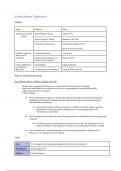
Election Systems – Summaries
Key: Advantages Disadvantages Examples/Evidence
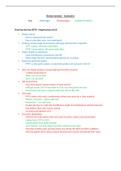
First Past the Post (FPTP - Majoritarian) UK GE
Simple system
- Voters understand the system
- Easy to calculate votes, not complicated
Produces strong single governments with large parliamentary majorities
- 1997: Labour, 418 seats under Blair
- 2019: Conservatives, 365 seats under Boris
Single member constituency
- Close link between constituency and MP
- What makes the UK’s representative democracy so unique
Keeps out extremist parties
- FPTP is a two-party system, so extremist parties cant succeed in the UK
Does not always produce strong single governments anymore
- Coalition governments
- 2010: Con and Lib Dem
- 2017: Con and DUP
Not proportional
- Vote share doesn’t equal number of seats earned
- UKIP got nearly 13% of vote share in 2015, but only gained one seat
- Government can have a majority with only 35% of the vote
Safe seats
- FPTP creates safe seats; constituencies where one party has a clear majority
- Walton, Liverpool – Labour safe seat
- Beckenham – Con safe seat
- People who live in a safe seat constituency might not participate in elections because
they believe their vote may be wasted
- Increases participation crisis
Two party domination
- Only the two main parties have ever been in power: Labour and Conservative
- Labour from 1997 to 2010
- Conservatives from 2010 onwards
- 2017 election: Con and Labour had 86% combined vote share
- Only time another party got into power was during the 2010 and 2015 coalitions
- Minority parties don’t stand a chance because they cannot concentrate their votes.
Key: Advantages Disadvantages Examples/Evidence
First Past the Post (FPTP - Majoritarian) UK GE
Simple system
- Voters understand the system
- Easy to calculate votes, not complicated
Produces strong single governments with large parliamentary majorities
- 1997: Labour, 418 seats under Blair
- 2019: Conservatives, 365 seats under Boris
Single member constituency
- Close link between constituency and MP
- What makes the UK’s representative democracy so unique
Keeps out extremist parties
- FPTP is a two-party system, so extremist parties cant succeed in the UK
Does not always produce strong single governments anymore
- Coalition governments
- 2010: Con and Lib Dem
- 2017: Con and DUP
Not proportional
- Vote share doesn’t equal number of seats earned
- UKIP got nearly 13% of vote share in 2015, but only gained one seat
- Government can have a majority with only 35% of the vote
Safe seats
- FPTP creates safe seats; constituencies where one party has a clear majority
- Walton, Liverpool – Labour safe seat
- Beckenham – Con safe seat
- People who live in a safe seat constituency might not participate in elections because
they believe their vote may be wasted
- Increases participation crisis
Two party domination
- Only the two main parties have ever been in power: Labour and Conservative
- Labour from 1997 to 2010
- Conservatives from 2010 onwards
- 2017 election: Con and Labour had 86% combined vote share
- Only time another party got into power was during the 2010 and 2015 coalitions
- Minority parties don’t stand a chance because they cannot concentrate their votes.