NUR 2633: Maternal Child Health Final Work Sheet
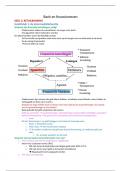
NUR 2633: Maternal Child Health Final Work Sheet 1. Dysmenorrhea – a common complaint with women – what are the non-pharmacological and pharmacological treatments. 2. Obstetrical issues – pregnancy risks - Know Naegle’s Rule – to establish gestational age Naegle’s rule- subtract 3 months from LMP, add 7 days 3. Poor nutrition, drugs, HTN, DM are all issues of perfusion – what will the fetal result be. Decreased perfusion to baby causes decreased O2 and growth of fetus 4. Anemia becomes a problem in pregnancy – can you discuss the maternal and fetal risks 5. Hypertension – preeclampsia has specific symptoms – please know these as well as treatment modalities and nursing interventions – keep In mind Magnesium Sulfate, nursing interventions Pre-eclampsia: clinically defined as an increase in BP, edema, and proteinuria Other S/S: headache, blurred vision, epigastric pain, dyspnea, decreased hemoglobin, decreased platelet count, N/V, increased AST/ALT, hyper- reflexia, decreased fetal movement. Tx: mag sulfate, nifedipine (Procardia) NIC: Lay pt on left side, fetal monitoring, titrate fluids carefully, NO IV BOLUS, foley, vitals QHR, implement seizure precautions, monitor protein, assess DTR, administer betamethasone, give O2 if needed, dim lights. Eclampsia: new onset of grand mal seizures in women with pre-eclampsia ***Magnesium Sulfate—CNS depressant and muscle relaxer*** Uses: inhibit preterm labor, and an anticonvulsant for pre-eclampsia Dose: usual dose is a 4g bolus then a 2g maintenance dose Adverse reactions: dehydration, decreased muscle activity, drowsiness, decreased RR, hypotension, bradycardia, arrhythmias, flushed skin, sweating NIC: Run via piggy back on IV pump, monitor vitals, monitor neurological state prior to administering and during, implement seizure precautions, monitor strict I+O, assess for pulmonary edema, assess for DTR, monitor fetal heart rate, monitor uterine contractions. 6. Pre- term labor – define it; signs and symptoms, treatment modalities and nursing interventions. Definition: cervical changes and regular uterine contractions occurring between 20-37 weeks gestation. Diagnosed when cervix demonstrates changes. Etiology: UTI and dehydration S/S: urinary frequency, back pain, pressure, cramping, tightening of belly, discharge NIC: Lay on left side, bedrest/pelvic rest, start IV fluids (bolus and lactated ringers), fetal monitoring Medications: Terbutaline (3 injections SUBCUT over 1.5 hour) Magnesium sulfate Labs: UA, fibronectin, CBC 7. Diabetes Mellitus – Type 1, Type 2 and Gestational DM all have issues that are common to all and specific to each. Note the concerns specific to each, management and fetal surveillance Type 1: Type 2: Fetal abnormalities/complications—cardiac and skeletal issues, macrosomia, lung immaturity, hyperglycemic crisis following birth Monitoring—NST, ultrasound Because insulin is dependent, it causes perfusion issue to baby Management is primarily through maternal diet—want to avoid insulin since it causes perfusion issues. No abnormalities unless there has been vascular insult during development period. Gestational: 24-28 weeks 1. Dysmenorrhea – a common complaint with women – what are the non-pharmacological and pharmacological treatments. 2. Obstetrical issues – pregnancy risks - Know Naegle’s Rule – to establish gestational age Naegle’s rule- subtract 3 months from LMP, add 7 days 3. Poor nutrition, drugs, HTN, DM are all issues of perfusion – what will the fetal result be. Decreased perfusion to baby causes decreased O2 and growth of fetus 4. Anemia becomes a problem in pregnancy – can you discuss the maternal and fetal risks 5. Hypertension – preeclampsia has specific symptoms – please know these as well as treatment modalities and nursing interventions – keep In mind Magnesium Sulfate, nursing interventions Pre-eclampsia: clinically defined as an increase in BP, edema, and proteinuria Other S/S: headache, blurred vision, epigastric pain, dyspnea, decreased hemoglobin, decreased platelet count, N/V, increased AST/ALT, hyper- reflexia, decreased fetal movement. Tx: mag sulfate, nifedipine (Procardia) NIC: Lay pt on left side, fetal monitoring, titrate fluids carefully, NO IV BOLUS, foley, vitals QHR, implement seizure precautions, monitor protein, assess DTR, administer betamethasone, give O2 if needed, dim lights. Eclampsia: new onset of grand mal seizures in women with pre-eclampsia ***Magnesium Sulfate—CNS depressant and muscle relaxer*** Uses: inhibit preterm labor, and an anticonvulsant for pre-eclampsia Dose: usual dose is a 4g bolus then a 2g maintenance dose Adverse reactions: dehydration, decreased muscle activity, drowsiness, decreased RR, hypotension, bradycardia, arrhythmias, flushed skin, sweating NIC: Run via piggy back on IV pump, monitor vitals, monitor neurological state prior to administering and during, implement seizure precautions, monitor strict I+O, assess for pulmonary edema, assess for DTR, monitor fetal heart rate, monitor uterine contractions. 6. Pre- term labor – define it; signs and symptoms, treatment modalities and nursing interventions. Definition: cervical changes and regular uterine contractions occurring between 20-37 weeks gestation. Diagnosed when cervix demonstrates changes. Etiology: UTI and dehydration S/S: urinary frequency, back pain, pressure, cramping, tightening of belly, discharge NIC: Lay on left side, bedrest/pelvic rest, start IV fluids (bolus and lactated ringers), fetal monitoring Medications: Terbutaline (3 injections SUBCUT over 1.5 hour) Magnesium sulfate Labs: UA, fibronectin, CBC 7. Diabetes Mellitus – Type 1, Type 2 and Gestational DM all have issues that are common to all and specific to each. Note the concerns specific to each, management and fetal surveillance Type 1: Type 2: Fetal abnormalities/complications—cardiac and skeletal issues, macrosomia, lung immaturity, hyperglycemic crisis following birth Monitoring—NST, ultrasound Because insulin is dependent, it causes perfusion issue to baby Management is primarily through maternal diet—want to avoid insulin since it causes perfusion issues. No abnormalities unless there has been vascular insult during development period. Gestational: 24-28 weeks ...............................................continued.....................................................
Written for
Document information
- Uploaded on
- June 16, 2021
- Number of pages
- 12
- Written in
- 2020/2021
- Type
- Other
- Person
- Unknown
Subjects
- dysmenorrhea –
- obstetrical issues
-
nur 2633 maternal child health final work sheet