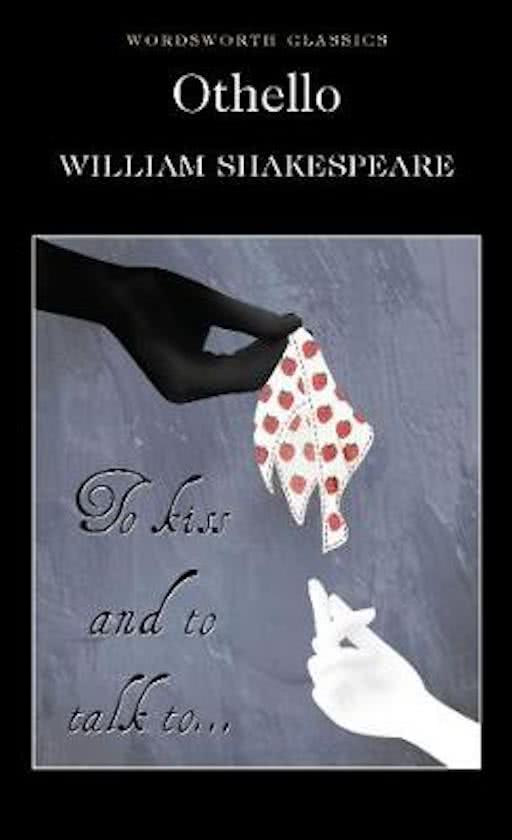
OTHELLO
Complete Revision Guide
Page 1
,Contents
Part 1. Essay Plans
Race & Otherness · Jealousy · Love · Masculinity · Tragedy · Settings · Public & Private Life · The Ending ·
Iago · Additional theses
Part 2. Model Essay — The Presentation of Desdemona
Full essay + consolidated planning notes
Part 3. Character Studies
Othello · Iago · Emilia · Bianca · Cassio · Minor characters · Symbolic representations
Part 4. Themes
Gender · Othello & Iago as 'two parts of one mind'
Part 5. Key Scenes & Techniques
Motifs (ear, contagion, sight, light/dark, magic) · Scene-by-scene walkthrough · Settings
Part 6. Quote Bank (by character)
Part 7. Critics & Critical Material
Part 8. Context
Tragedy · Race · Gender · Setting · Sources, philosophy & structure
Part 9. Key Vocabulary
Page 2
,Part One — Essay Plans
Each plan gives a thesis followed by a paragraph structure. Theses are arguable, and most are built
on the same core argument: that the tragedy of Othello is socially produced by Venice's racial and
patriarchal structures, which Iago exploits rather than creates.
1. Race & Otherness
Thesis: Shakespeare presents racial othering not simply as an external prejudice imposed upon
Othello, but equally as a force he has internalised so deeply that Iago merely needs to locate and
exploit it to orchestrate the tragedy of the play.
Para 1 — Othello's instability and insecurity in his identity as a result of his internalisation of racial
othering.
• Status as a racial and cultural outsider causes him to rely on approval and cling to military
prestige rather than any emotional, personal identity ('the services I have done the signiory
shall out-tongue his complaints'; 'for the sea's worth').
• Sea imagery shows how intrinsic his career and reputation are to his identity — it infiltrates his
language, so his sense of worth is inseparable from his public life and therefore fundamentally
unstable.
• His early command demonstrates he initially defies Roderigo's racist caricature, which makes
his later collapse more devastating.
• Greer: 'Othello is a black General in a white army... he has created for himself a personality that
they can accept' — he curates an identity built off acceptability.
• Context: draft proclamation of 1601; the conflict between normalised racism and his esteemed
reputation.
Para 2 — How Iago manipulates this internal racial prejudice.
• Metaphor of the ear: Iago creates a verbal world of illusion so convincing that the Moor
substitutes what he hears for what he sees.
• Iago's machinations work because Othello is predisposed to believing pronouncements about
the duplicity of women and the fragility of a relationship between a young, white, well-born
woman and an older black soldier ('black ram tupping white ewe').
• Iago dismantles his identity with alarming ease, leading Othello to believe he is unworthy of
Desdemona's love ('Haply for I am black', A1 S3).
Para 3 — How this manipulation culminates in the tragedy.
• The handkerchief as demonstrative of Othello's downfall and of Iago's manipulation of his
unstable identity.
• In killing Desdemona, Othello becomes the racial stereotype he spent his life defying —
confirming Roderigo's caricature and Leo Africanus's claim that Africans are 'so credulous'.
• 'Like the base Judean, threw a pearl away' (A5 S2): at the moment of self-reckoning he reaches
instinctively for the language of racial degradation.
Page 3
, • 'I will kill thee / And love thee after' — total collapse of the distinction between love and
violence that Iago engineered.
• Leavis (Othello always 'acting') actually supports the thesis: the 'acceptable personality' Greer
identifies was always a performance constructed in response to racial othering, so his identity
was never stable to begin with.
• Tragic irony: at the moment he most needs genuine self-knowledge, he reaches for
performance — and the simile is racialised. 'Speak of me as I am' is ironic because racial
othering has made authentic self-knowledge impossible.
2. Jealousy
Thesis: Shakespeare presents jealousy not as an independent destructive force but as a socially
imposed weapon that festers in the social conditions of Venetian society: the racial insecurity,
patriarchal structures and the gap between reputation and reality that Iago exploits rather than
creates ultimately orchestrate the peripeteia of the protagonist, rendering a society that
constructs Othello as the true instigator of his downfall.
Para 1 — The conflict between Othello's role as respected commander and the racial prejudice he
experiences as the inferior Moor foregrounds how Venetian society renders him fundamentally
insecure and therefore susceptible to jealousy.
Para 2 — Shakespeare's sustained metaphor of the ear reveals how Iago exploits jealousy rather
than creating it, through illusion and manipulation of Othello's pre-existing vulnerabilities.
Para 3 — The tragic denouement reveals how Othello's internalised racism makes him vulnerable to
jealousy, confirming jealousy as his hamartia while indicting the structures of Venetian society as its
true cultivator.
3. Love
Thesis: Shakespeare presents the tragedy of the failure of love not as accident but as inevitability
in a society in which the structures of racial hierarchy, patriarchal control and masculine honour
are fundamentally incompatible with the trust and equality love requires. The breakdown of the
marriage is tragic not out of circumstance but as inevitable within the curated Venetian society.
Para 1 — The failure of Othello and Desdemona's love is devastating precisely because it is initially
presented as equal and mutual — but it is this equality which makes it so vulnerable.
Para 2 — Iago as a representation of how the structures of Venetian society render their love
impossible to sustain.
• The moment Iago introduces doubt, Othello's internalised racial insecurity and masculine need
for dominance make it impossible to sustain the equality the relationship requires.
• 'Black ram tupping white ewe'.
• The handkerchief represents the moment where gender prejudice destroys love because
Othello accepts a man's insinuation over his wife's plain testimony.
Para 3 — Othello's murder of Desdemona shows how love can only survive in Venice when it exists
outside its structures of power entirely.
Page 4
Complete Revision Guide
Page 1
,Contents
Part 1. Essay Plans
Race & Otherness · Jealousy · Love · Masculinity · Tragedy · Settings · Public & Private Life · The Ending ·
Iago · Additional theses
Part 2. Model Essay — The Presentation of Desdemona
Full essay + consolidated planning notes
Part 3. Character Studies
Othello · Iago · Emilia · Bianca · Cassio · Minor characters · Symbolic representations
Part 4. Themes
Gender · Othello & Iago as 'two parts of one mind'
Part 5. Key Scenes & Techniques
Motifs (ear, contagion, sight, light/dark, magic) · Scene-by-scene walkthrough · Settings
Part 6. Quote Bank (by character)
Part 7. Critics & Critical Material
Part 8. Context
Tragedy · Race · Gender · Setting · Sources, philosophy & structure
Part 9. Key Vocabulary
Page 2
,Part One — Essay Plans
Each plan gives a thesis followed by a paragraph structure. Theses are arguable, and most are built
on the same core argument: that the tragedy of Othello is socially produced by Venice's racial and
patriarchal structures, which Iago exploits rather than creates.
1. Race & Otherness
Thesis: Shakespeare presents racial othering not simply as an external prejudice imposed upon
Othello, but equally as a force he has internalised so deeply that Iago merely needs to locate and
exploit it to orchestrate the tragedy of the play.
Para 1 — Othello's instability and insecurity in his identity as a result of his internalisation of racial
othering.
• Status as a racial and cultural outsider causes him to rely on approval and cling to military
prestige rather than any emotional, personal identity ('the services I have done the signiory
shall out-tongue his complaints'; 'for the sea's worth').
• Sea imagery shows how intrinsic his career and reputation are to his identity — it infiltrates his
language, so his sense of worth is inseparable from his public life and therefore fundamentally
unstable.
• His early command demonstrates he initially defies Roderigo's racist caricature, which makes
his later collapse more devastating.
• Greer: 'Othello is a black General in a white army... he has created for himself a personality that
they can accept' — he curates an identity built off acceptability.
• Context: draft proclamation of 1601; the conflict between normalised racism and his esteemed
reputation.
Para 2 — How Iago manipulates this internal racial prejudice.
• Metaphor of the ear: Iago creates a verbal world of illusion so convincing that the Moor
substitutes what he hears for what he sees.
• Iago's machinations work because Othello is predisposed to believing pronouncements about
the duplicity of women and the fragility of a relationship between a young, white, well-born
woman and an older black soldier ('black ram tupping white ewe').
• Iago dismantles his identity with alarming ease, leading Othello to believe he is unworthy of
Desdemona's love ('Haply for I am black', A1 S3).
Para 3 — How this manipulation culminates in the tragedy.
• The handkerchief as demonstrative of Othello's downfall and of Iago's manipulation of his
unstable identity.
• In killing Desdemona, Othello becomes the racial stereotype he spent his life defying —
confirming Roderigo's caricature and Leo Africanus's claim that Africans are 'so credulous'.
• 'Like the base Judean, threw a pearl away' (A5 S2): at the moment of self-reckoning he reaches
instinctively for the language of racial degradation.
Page 3
, • 'I will kill thee / And love thee after' — total collapse of the distinction between love and
violence that Iago engineered.
• Leavis (Othello always 'acting') actually supports the thesis: the 'acceptable personality' Greer
identifies was always a performance constructed in response to racial othering, so his identity
was never stable to begin with.
• Tragic irony: at the moment he most needs genuine self-knowledge, he reaches for
performance — and the simile is racialised. 'Speak of me as I am' is ironic because racial
othering has made authentic self-knowledge impossible.
2. Jealousy
Thesis: Shakespeare presents jealousy not as an independent destructive force but as a socially
imposed weapon that festers in the social conditions of Venetian society: the racial insecurity,
patriarchal structures and the gap between reputation and reality that Iago exploits rather than
creates ultimately orchestrate the peripeteia of the protagonist, rendering a society that
constructs Othello as the true instigator of his downfall.
Para 1 — The conflict between Othello's role as respected commander and the racial prejudice he
experiences as the inferior Moor foregrounds how Venetian society renders him fundamentally
insecure and therefore susceptible to jealousy.
Para 2 — Shakespeare's sustained metaphor of the ear reveals how Iago exploits jealousy rather
than creating it, through illusion and manipulation of Othello's pre-existing vulnerabilities.
Para 3 — The tragic denouement reveals how Othello's internalised racism makes him vulnerable to
jealousy, confirming jealousy as his hamartia while indicting the structures of Venetian society as its
true cultivator.
3. Love
Thesis: Shakespeare presents the tragedy of the failure of love not as accident but as inevitability
in a society in which the structures of racial hierarchy, patriarchal control and masculine honour
are fundamentally incompatible with the trust and equality love requires. The breakdown of the
marriage is tragic not out of circumstance but as inevitable within the curated Venetian society.
Para 1 — The failure of Othello and Desdemona's love is devastating precisely because it is initially
presented as equal and mutual — but it is this equality which makes it so vulnerable.
Para 2 — Iago as a representation of how the structures of Venetian society render their love
impossible to sustain.
• The moment Iago introduces doubt, Othello's internalised racial insecurity and masculine need
for dominance make it impossible to sustain the equality the relationship requires.
• 'Black ram tupping white ewe'.
• The handkerchief represents the moment where gender prejudice destroys love because
Othello accepts a man's insinuation over his wife's plain testimony.
Para 3 — Othello's murder of Desdemona shows how love can only survive in Venice when it exists
outside its structures of power entirely.
Page 4