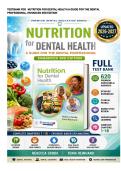
TESTBANK FOR NUTRITION FOR DENTAL HEALTH A GUIDE FOR THE DENTAL
PROFESSIONAL, ENHANCED 3RD EDITION
,TABLE OF CONTENTS
Nutrition for Dental Health: A Guide for the Dental Professional, Enhanced 3rd Edition
Complete Test Bank | Chapters 1–18 | Questions 1–620
Chapter 1: Eating
• Introduction to Nutrition
• Digestion and Absorption
• Metabolism and Energy Balance
• Dietary Guidelines
• Nutritional Assessment
• Questions 1–30
Chapter 2: Carbohydrates
• Classification of Carbohydrates
• Digestion and Metabolism
• Glycemic Index and Glycemic Load
• Sugar Consumption and Oral Health
• Dental Caries Development
• Questions 31–80
Chapter 3: Protein
• Amino Acids
• Protein Structure and Function
• Protein Metabolism
• Complete and Incomplete Proteins
• Protein Deficiency Disorders
• Oral Manifestations of Protein Deficiency
• Questions 81–120
Chapter 4: Lipids
• Lipid Classification
• Essential Fatty Acids
• Cholesterol and Lipoproteins
, • Lipid Metabolism
• Dietary Fat Recommendations
• Oral and Systemic Health Considerations
• Questions 121–140
Chapter 5: Vitamins
• Fat-Soluble Vitamins (A, D, E, K)
• Water-Soluble Vitamins (B-Complex, C)
• Vitamin Functions
• Deficiency and Toxicity States
• Oral Manifestations of Vitamin Deficiencies
• Questions 141–160
Chapter 6: Minerals
• Calcium
• Phosphorus
• Magnesium
• Iron
• Zinc
• Fluoride
• Trace Minerals
• Oral Health Implications
• Questions 161–200
Chapter 7: Water
• Fluid Balance
• Hydration Requirements
• Salivary Function
• Xerostomia
• Water and Oral Health
• Questions 201–220
Chapter 8: Dietary and Herbal Supplements
, • Dietary Supplement Regulations
• Common Vitamin and Mineral Supplements
• Herbal Products
• Drug-Nutrient Interactions
• Dental Considerations
• Questions 221–260
Chapter 9: Diet and Dental Caries
• Dental Caries Etiology
• Cariogenic Foods and Beverages
• Frequency of Sugar Exposure
• Preventive Nutrition Strategies
• Caries Risk Assessment
• Questions 261–290
Chapter 10: Diet and Periodontal Disease
• Nutrition and Periodontal Health
• Inflammatory Processes
• Nutritional Risk Factors
• Host Response
• Nutritional Interventions
• Questions 291–330
Chapter 11: Choosing Foods for Health and Fitness
• Healthy Eating Patterns
• Physical Activity and Nutrition
• Weight Management
• Dietary Planning
• Lifestyle Modification
• Questions 331–360
Chapter 12: Reading Labels
• Nutrition Facts Panel
, • Ingredient Lists
• Nutrient Content Claims
• Health Claims
• Food Label Interpretation
• Questions 361–390
Chapter 13: Nutrient Needs for Development and Maintenance of Oral Structures
• Tooth Development
• Enamel Formation
• Bone Growth and Maintenance
• Oral Tissue Integrity
• Nutritional Requirements
• Questions 391–430
Chapter 14: Dietary Considerations for the Life Cycle
• Pregnancy and Lactation
• Infancy
• Childhood
• Adolescence
• Adulthood
• Older Adults
• Questions 431–470
Chapter 15: Eating Disorders
• Anorexia Nervosa
• Bulimia Nervosa
• Binge Eating Disorder
• Nutritional Consequences
• Oral Manifestations
• Dental Management
• Questions 471–500
Chapter 16: Nutritional Counseling
, • Principles of Nutritional Counseling
• Motivational Interviewing
• Patient Education
• Behavior Change Models
• Counseling Techniques
• Goal Setting and Follow-Up
• Questions 501–540
Chapter 17: Nutritional Considerations for Special Population Groups
• Diabetes Mellitus
• Cancer
• Cardiovascular Disease
• Immunocompromised Patients
• Special Needs Populations
• Individualized Nutrition Planning
• Questions 541–580
Chapter 18: Nutritive Value of Complementary Therapies for Oral Care
• Alternative and Complementary Therapies
• Evidence-Based Practice
• Herbal Oral Care Products
• Nutritional Supplements
• Drug-Herb Interactions
• Safety and Ethical Considerations
• Questions 581–620
APPENDICES
Comprehensive Practice Examination
• Mixed Comprehensive Questions
• Clinical Case Studies
• Board-Style Scenarios
,Answer Key
• Correct Answers for Questions 1–620
Detailed Rationales
• Evidence-Based Explanations
• Clinical Applications
• Exam Preparation Notes
Clinical Pearls & Key Concepts
• High-Yield Review Points
• Dental Board Examination Tips
• Oral Health Nutrition Essentials
DOCUMENT SUMMARY
Total Chapters: 18
Total Questions: 620
Question Format: Multiple Choice (A–D)
Includes: Detailed Rationales, Clinical Pearls, Keywords, Case-Based Scenarios, Evidence-Based Explanations,
Dental Board-Style Questions
Target Audience: Dental Hygiene Students, Dental Assisting Students, Dental Professionals, Board
Examination Candidates
Edition: Enhanced 3rd Edition
Updated: 2026–2027
Chapter 1: Eating 1
Basic Nutrition Concepts • Digestion and Metabolism • Energy Balance • Dietary Guidelines • Nutritional
Assessment
Question 1
The term nutrient is best defined as:
A. A substance added to food to improve flavor
B. A chemical found only in vitamin supplements
C. A substance in food that nourishes the body and supports growth, maintenance, and repair
D. A substance that provides calories only
Correct Answer: C. A substance in food that nourishes the body and supports growth, maintenance, and
repair
,Rationale: Nutrients are chemical substances obtained from food that are essential for normal body function.
They provide energy, build and repair tissues, regulate physiological processes, and support overall health. The
six classes of nutrients are carbohydrates, proteins, fats, vitamins, minerals, and water. Dental professionals
must understand nutrients because nutritional status directly affects oral tissues, salivary function, wound
healing, and resistance to oral disease.
Why Not the Others?
• A: Describes food additives, not nutrients.
• B: Nutrients occur naturally in foods, not only supplements.
• D: Some nutrients provide no calories, such as vitamins, minerals, and water.
Keywords: Nutrients, nourishment, body function, oral health
Clinical Pearl: Poor nutrient intake can delay oral wound healing and increase susceptibility to periodontal
disease.
Question 2
Which nutrient serves as the body's preferred source of energy for the brain and central nervous system?
A. Fat
B. Carbohydrate
C. Protein
D. Water
Correct Answer: B. Carbohydrate
Rationale: Carbohydrates are the body's primary and most efficient source of energy. During digestion they are
broken down into glucose, which is the preferred fuel for the brain, nervous system, and red blood cells.
Although the body can use fats and proteins for energy, glucose remains the preferred energy substrate under
normal conditions.
Why Not the Others?
• A: Fat serves primarily as concentrated energy storage.
• C: Protein is primarily used for growth and repair.
• D: Water contains no calories.
Keywords: Carbohydrates, glucose, energy metabolism
Clinical Pearl: Frequent consumption of fermentable carbohydrates increases the risk of dental caries by
promoting acid production by oral bacteria.
Question 3
The process by which large food molecules are broken into smaller absorbable components is called:
A. Metabolism
B. Assimilation
, C. Digestion
D. Excretion
Correct Answer: C. Digestion
Rationale: Digestion is the mechanical and chemical breakdown of food into smaller molecules that can be
absorbed and utilized by the body. Mechanical digestion begins with mastication, while chemical digestion
involves enzymes and digestive secretions. Effective digestion is necessary for nutrient absorption and optimal
oral and systemic health.
Why Not the Others?
• A: Metabolism refers to all chemical reactions in the body.
• B: Assimilation occurs after absorption.
• D: Excretion is waste removal.
Keywords: Digestion, absorption, enzymes
Clinical Pearl: Proper mastication is the first step in digestion and significantly influences nutrient availability.
Question 4
Which structure initiates carbohydrate digestion?
A. Stomach
B. Liver
C. Mouth
D. Small intestine
Correct Answer: C. Mouth
Rationale: Carbohydrate digestion begins in the mouth through the action of salivary amylase. Saliva moistens
food, facilitates swallowing, and begins the breakdown of starches into smaller carbohydrate molecules. This
illustrates the important relationship between oral health and nutritional status.
Why Not the Others?
• A: Protein digestion begins primarily in the stomach.
• B: The liver produces bile for fat digestion.
• D: Most digestion continues here but does not begin here.
Keywords: Salivary amylase, oral digestion, starch
Clinical Pearl: Reduced salivary flow can impair both oral health and the early stages of carbohydrate
digestion.
Question 5
Which organ is primarily responsible for absorbing most nutrients?
PROFESSIONAL, ENHANCED 3RD EDITION
,TABLE OF CONTENTS
Nutrition for Dental Health: A Guide for the Dental Professional, Enhanced 3rd Edition
Complete Test Bank | Chapters 1–18 | Questions 1–620
Chapter 1: Eating
• Introduction to Nutrition
• Digestion and Absorption
• Metabolism and Energy Balance
• Dietary Guidelines
• Nutritional Assessment
• Questions 1–30
Chapter 2: Carbohydrates
• Classification of Carbohydrates
• Digestion and Metabolism
• Glycemic Index and Glycemic Load
• Sugar Consumption and Oral Health
• Dental Caries Development
• Questions 31–80
Chapter 3: Protein
• Amino Acids
• Protein Structure and Function
• Protein Metabolism
• Complete and Incomplete Proteins
• Protein Deficiency Disorders
• Oral Manifestations of Protein Deficiency
• Questions 81–120
Chapter 4: Lipids
• Lipid Classification
• Essential Fatty Acids
• Cholesterol and Lipoproteins
, • Lipid Metabolism
• Dietary Fat Recommendations
• Oral and Systemic Health Considerations
• Questions 121–140
Chapter 5: Vitamins
• Fat-Soluble Vitamins (A, D, E, K)
• Water-Soluble Vitamins (B-Complex, C)
• Vitamin Functions
• Deficiency and Toxicity States
• Oral Manifestations of Vitamin Deficiencies
• Questions 141–160
Chapter 6: Minerals
• Calcium
• Phosphorus
• Magnesium
• Iron
• Zinc
• Fluoride
• Trace Minerals
• Oral Health Implications
• Questions 161–200
Chapter 7: Water
• Fluid Balance
• Hydration Requirements
• Salivary Function
• Xerostomia
• Water and Oral Health
• Questions 201–220
Chapter 8: Dietary and Herbal Supplements
, • Dietary Supplement Regulations
• Common Vitamin and Mineral Supplements
• Herbal Products
• Drug-Nutrient Interactions
• Dental Considerations
• Questions 221–260
Chapter 9: Diet and Dental Caries
• Dental Caries Etiology
• Cariogenic Foods and Beverages
• Frequency of Sugar Exposure
• Preventive Nutrition Strategies
• Caries Risk Assessment
• Questions 261–290
Chapter 10: Diet and Periodontal Disease
• Nutrition and Periodontal Health
• Inflammatory Processes
• Nutritional Risk Factors
• Host Response
• Nutritional Interventions
• Questions 291–330
Chapter 11: Choosing Foods for Health and Fitness
• Healthy Eating Patterns
• Physical Activity and Nutrition
• Weight Management
• Dietary Planning
• Lifestyle Modification
• Questions 331–360
Chapter 12: Reading Labels
• Nutrition Facts Panel
, • Ingredient Lists
• Nutrient Content Claims
• Health Claims
• Food Label Interpretation
• Questions 361–390
Chapter 13: Nutrient Needs for Development and Maintenance of Oral Structures
• Tooth Development
• Enamel Formation
• Bone Growth and Maintenance
• Oral Tissue Integrity
• Nutritional Requirements
• Questions 391–430
Chapter 14: Dietary Considerations for the Life Cycle
• Pregnancy and Lactation
• Infancy
• Childhood
• Adolescence
• Adulthood
• Older Adults
• Questions 431–470
Chapter 15: Eating Disorders
• Anorexia Nervosa
• Bulimia Nervosa
• Binge Eating Disorder
• Nutritional Consequences
• Oral Manifestations
• Dental Management
• Questions 471–500
Chapter 16: Nutritional Counseling
, • Principles of Nutritional Counseling
• Motivational Interviewing
• Patient Education
• Behavior Change Models
• Counseling Techniques
• Goal Setting and Follow-Up
• Questions 501–540
Chapter 17: Nutritional Considerations for Special Population Groups
• Diabetes Mellitus
• Cancer
• Cardiovascular Disease
• Immunocompromised Patients
• Special Needs Populations
• Individualized Nutrition Planning
• Questions 541–580
Chapter 18: Nutritive Value of Complementary Therapies for Oral Care
• Alternative and Complementary Therapies
• Evidence-Based Practice
• Herbal Oral Care Products
• Nutritional Supplements
• Drug-Herb Interactions
• Safety and Ethical Considerations
• Questions 581–620
APPENDICES
Comprehensive Practice Examination
• Mixed Comprehensive Questions
• Clinical Case Studies
• Board-Style Scenarios
,Answer Key
• Correct Answers for Questions 1–620
Detailed Rationales
• Evidence-Based Explanations
• Clinical Applications
• Exam Preparation Notes
Clinical Pearls & Key Concepts
• High-Yield Review Points
• Dental Board Examination Tips
• Oral Health Nutrition Essentials
DOCUMENT SUMMARY
Total Chapters: 18
Total Questions: 620
Question Format: Multiple Choice (A–D)
Includes: Detailed Rationales, Clinical Pearls, Keywords, Case-Based Scenarios, Evidence-Based Explanations,
Dental Board-Style Questions
Target Audience: Dental Hygiene Students, Dental Assisting Students, Dental Professionals, Board
Examination Candidates
Edition: Enhanced 3rd Edition
Updated: 2026–2027
Chapter 1: Eating 1
Basic Nutrition Concepts • Digestion and Metabolism • Energy Balance • Dietary Guidelines • Nutritional
Assessment
Question 1
The term nutrient is best defined as:
A. A substance added to food to improve flavor
B. A chemical found only in vitamin supplements
C. A substance in food that nourishes the body and supports growth, maintenance, and repair
D. A substance that provides calories only
Correct Answer: C. A substance in food that nourishes the body and supports growth, maintenance, and
repair
,Rationale: Nutrients are chemical substances obtained from food that are essential for normal body function.
They provide energy, build and repair tissues, regulate physiological processes, and support overall health. The
six classes of nutrients are carbohydrates, proteins, fats, vitamins, minerals, and water. Dental professionals
must understand nutrients because nutritional status directly affects oral tissues, salivary function, wound
healing, and resistance to oral disease.
Why Not the Others?
• A: Describes food additives, not nutrients.
• B: Nutrients occur naturally in foods, not only supplements.
• D: Some nutrients provide no calories, such as vitamins, minerals, and water.
Keywords: Nutrients, nourishment, body function, oral health
Clinical Pearl: Poor nutrient intake can delay oral wound healing and increase susceptibility to periodontal
disease.
Question 2
Which nutrient serves as the body's preferred source of energy for the brain and central nervous system?
A. Fat
B. Carbohydrate
C. Protein
D. Water
Correct Answer: B. Carbohydrate
Rationale: Carbohydrates are the body's primary and most efficient source of energy. During digestion they are
broken down into glucose, which is the preferred fuel for the brain, nervous system, and red blood cells.
Although the body can use fats and proteins for energy, glucose remains the preferred energy substrate under
normal conditions.
Why Not the Others?
• A: Fat serves primarily as concentrated energy storage.
• C: Protein is primarily used for growth and repair.
• D: Water contains no calories.
Keywords: Carbohydrates, glucose, energy metabolism
Clinical Pearl: Frequent consumption of fermentable carbohydrates increases the risk of dental caries by
promoting acid production by oral bacteria.
Question 3
The process by which large food molecules are broken into smaller absorbable components is called:
A. Metabolism
B. Assimilation
, C. Digestion
D. Excretion
Correct Answer: C. Digestion
Rationale: Digestion is the mechanical and chemical breakdown of food into smaller molecules that can be
absorbed and utilized by the body. Mechanical digestion begins with mastication, while chemical digestion
involves enzymes and digestive secretions. Effective digestion is necessary for nutrient absorption and optimal
oral and systemic health.
Why Not the Others?
• A: Metabolism refers to all chemical reactions in the body.
• B: Assimilation occurs after absorption.
• D: Excretion is waste removal.
Keywords: Digestion, absorption, enzymes
Clinical Pearl: Proper mastication is the first step in digestion and significantly influences nutrient availability.
Question 4
Which structure initiates carbohydrate digestion?
A. Stomach
B. Liver
C. Mouth
D. Small intestine
Correct Answer: C. Mouth
Rationale: Carbohydrate digestion begins in the mouth through the action of salivary amylase. Saliva moistens
food, facilitates swallowing, and begins the breakdown of starches into smaller carbohydrate molecules. This
illustrates the important relationship between oral health and nutritional status.
Why Not the Others?
• A: Protein digestion begins primarily in the stomach.
• B: The liver produces bile for fat digestion.
• D: Most digestion continues here but does not begin here.
Keywords: Salivary amylase, oral digestion, starch
Clinical Pearl: Reduced salivary flow can impair both oral health and the early stages of carbohydrate
digestion.
Question 5
Which organ is primarily responsible for absorbing most nutrients?