TERM
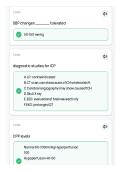
SBP changes ______ tolerated
50-150 mmhg
TERM
diagnostic studies for ICP
A.LP: contraindicated
B.CT scan:can showcause ofICH orlateralshift
C.Cerebral angiography:may show causeofICH
D.Skull X ray
E.EEG: evaluationof brainwaveactivity
F.EKG: prolonged QT
TERM
CPP levels
Normal 60-100mmHg Hyperperfusion
100
Hypoperfusion 40-60
, Irreversibleischemia andinfarction
<40
Braindeath 0
TERM
supratentorial herniation
–Cingulate
–Uncal(Lateral)-most common
–Central(transtentorial)-
precededbyuncalandcingulate
–Transcalvarial-
extrusionofcerebraltissuethroughcranium
TERM
uncal
most common
life threatening
TERM
, Stage 3 of intracranial HTN
sustained ICP(ICP >20mmHg)causesdramatic
riseinICPoveraveryshortperiod
-
brainautoregulationfails,systemicPaCO2rises=cerebralvasodila
toworseningcerebraledema&perfusion
-severehypoxia&acidosisofbraintissues
Symptoms: progressive LOC, difficultystaying awake,small reac
pupilswithprogressingtoslowingofresponsetolight, widenedpul
pressureand bradycardia(cushing’s triad); fullandboundingpul
TERM
refractory ICP is a ___ and you would see ____
neuro emergency
-non-reactive pupils (usually mid-position or large) can
be one or both
-new posturing
-acute stroke symptoms
-plegia post-spine surgery
-any change in neurological exam warrants immediate
notification of HO and charge RN
SBP changes ______ tolerated
50-150 mmhg
TERM
diagnostic studies for ICP
A.LP: contraindicated
B.CT scan:can showcause ofICH orlateralshift
C.Cerebral angiography:may show causeofICH
D.Skull X ray
E.EEG: evaluationof brainwaveactivity
F.EKG: prolonged QT
TERM
CPP levels
Normal 60-100mmHg Hyperperfusion
100
Hypoperfusion 40-60
, Irreversibleischemia andinfarction
<40
Braindeath 0
TERM
supratentorial herniation
–Cingulate
–Uncal(Lateral)-most common
–Central(transtentorial)-
precededbyuncalandcingulate
–Transcalvarial-
extrusionofcerebraltissuethroughcranium
TERM
uncal
most common
life threatening
TERM
, Stage 3 of intracranial HTN
sustained ICP(ICP >20mmHg)causesdramatic
riseinICPoveraveryshortperiod
-
brainautoregulationfails,systemicPaCO2rises=cerebralvasodila
toworseningcerebraledema&perfusion
-severehypoxia&acidosisofbraintissues
Symptoms: progressive LOC, difficultystaying awake,small reac
pupilswithprogressingtoslowingofresponsetolight, widenedpul
pressureand bradycardia(cushing’s triad); fullandboundingpul
TERM
refractory ICP is a ___ and you would see ____
neuro emergency
-non-reactive pupils (usually mid-position or large) can
be one or both
-new posturing
-acute stroke symptoms
-plegia post-spine surgery
-any change in neurological exam warrants immediate
notification of HO and charge RN