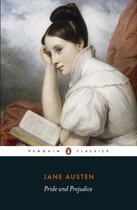
Pride and prejudice
Austen presents pride and prejudice as powerful forces that drive the central conflicts of the novel, deeply
rooted in social class, judgement, and the relationship between Elizabeth and Darcy.
● Austen presents pride and prejudice as being strongly shaped by social class, with prejudice reciprocated
between both the upper and upper-middle classes. (universal)
● Austen presents pride and prejudice as being strongly shaped by social class, with prejudice
reciprocated between both the upper and upper-middle classes. Elizabeth’s prejudice towards Mr
Darcy is formed through her first impression of him at the Meryton assembly, where his public insult
leads her to conclude that “His character was decided. He was the proudest, most disagreeable man
in the world.” This definitive judgement reveals how Elizabeth’s bias is driven by wounded pride rather
than objective truth, immediately establishing tension between Elizabeth and Darcy. Austen uses this
to demonstrate how first impressions can be misleading, as Elizabeth’s prejudice prevents her from
recognising Darcy’s true character. This attitude is reinforced within the Bennet household through
Mrs Bennet, who similarly dismisses Darcy as “so high and so conceited that there was no enduring
him,” showing the pride and prejudice within social groups and are sustained by class consciousness
rather than reason.
● The pride and prejudice of the upper class are further exposed through Caroline Bingley’s interactions
with Elizabeth, particularly her condescending attitude towards Elizabeth’s relatives, Mr and Mrs
Phillips, whose professions place them lower on the social hierarchy. Caroline’s remark that “they are
in the same profession, you know; only in different lines,” reflects the rigid mindset of those with
inherited wealth, who look down on individuals who gain status through work. The novel was written
during the Industrial Revolution and because of this, it was possible for the working class people to
earn money without inheriting it, blurring the class divide more. Therefore, inherited wealth was
considered superior by the upper class. Through Caroline Bingley, Austen exposes how upper-class
pride and prejudice are rooted in inherited status.
● This obsession with hierarchy is further embodied by Lady Catherine de Bourgh, who “likes to have
the distinction of rank preserved.” The noun “distinction” emphasises her fixation on rigid social
boundaries, while “preserved” suggests an active effort to maintain these divisions. Austen uses Lady
Catherine to critique the arrogance of inherited privilege, presenting upper-class pride as both
exclusionary and outdated, particularly in a society undergoing social change.
2. Austen presents pride and prejudice as separating forces that distort judgement.
● Austen creates a clear contrast between Elizabeth and Jane in their responses to Wickham in order
to explore two extremes of judgement: caution and confidence. Jane admits uncertainty, stating that
“one does not know what to think,” while Elizabeth confidently asserts that “one knows exactly what to
think.” The parallel phrasing and repetition of “what to think” emphasise the sisters’ opposing
attitudes, highlighting Elizabeth’s tendency toward swift and decisive judgement, establishing
Elizabeth’s prejudice as a central flaw despite her intelligence.
● Elizabeth’s prejudice is most clearly exposed in her response to Wickham, whose charm,
appearance, and manners immediately influence her judgement. She accepts his account of Darcy’s
behaviour without hesitation, encouraged by the flattering remark, “a young man too, like you, whose
very countenance may vouch for your being amiable.” The focus on “countenance” shows that
Elizabeth equates outward appearance with character, allowing first impressions to replace careful
judgement. Her misjudgement is reinforced by her existing dislike of Darcy, as Wickham’s story
confirms what she already believes. Rather than questioning his reliability, Elizabeth accepts his
narrative because it fits her view of Darcy as proud and unjust. Austen shows that prejudice is
sustained not by pride in one’s own opinions. This misjudgement is later exposed through Darcy’s
letter, which reveals Wickham’s true character and forces Elizabeth to reassess her earlier certainty.
Her realisation that she had been ‘blind, partial, prejudiced and absurd’ highlights the extent to which
her judgement was distorted by first impressions and her prejudice
● Elizabeth’s misjudgement of Darcy is driven not only by his behaviour, but by her wounded pride. She
admits, “I could easily forgive his pride, if he had not mortified mine.” Her pride prevents her from
viewing Darcy with fairness, reinforcing Austen’s broader critique that pride and prejudice are
interconnected forces: wounded pride generates prejudice, and prejudice sustains misjudgement.
Austen presents pride and prejudice as powerful forces that drive the central conflicts of the novel, deeply
rooted in social class, judgement, and the relationship between Elizabeth and Darcy.
● Austen presents pride and prejudice as being strongly shaped by social class, with prejudice reciprocated
between both the upper and upper-middle classes. (universal)
● Austen presents pride and prejudice as being strongly shaped by social class, with prejudice
reciprocated between both the upper and upper-middle classes. Elizabeth’s prejudice towards Mr
Darcy is formed through her first impression of him at the Meryton assembly, where his public insult
leads her to conclude that “His character was decided. He was the proudest, most disagreeable man
in the world.” This definitive judgement reveals how Elizabeth’s bias is driven by wounded pride rather
than objective truth, immediately establishing tension between Elizabeth and Darcy. Austen uses this
to demonstrate how first impressions can be misleading, as Elizabeth’s prejudice prevents her from
recognising Darcy’s true character. This attitude is reinforced within the Bennet household through
Mrs Bennet, who similarly dismisses Darcy as “so high and so conceited that there was no enduring
him,” showing the pride and prejudice within social groups and are sustained by class consciousness
rather than reason.
● The pride and prejudice of the upper class are further exposed through Caroline Bingley’s interactions
with Elizabeth, particularly her condescending attitude towards Elizabeth’s relatives, Mr and Mrs
Phillips, whose professions place them lower on the social hierarchy. Caroline’s remark that “they are
in the same profession, you know; only in different lines,” reflects the rigid mindset of those with
inherited wealth, who look down on individuals who gain status through work. The novel was written
during the Industrial Revolution and because of this, it was possible for the working class people to
earn money without inheriting it, blurring the class divide more. Therefore, inherited wealth was
considered superior by the upper class. Through Caroline Bingley, Austen exposes how upper-class
pride and prejudice are rooted in inherited status.
● This obsession with hierarchy is further embodied by Lady Catherine de Bourgh, who “likes to have
the distinction of rank preserved.” The noun “distinction” emphasises her fixation on rigid social
boundaries, while “preserved” suggests an active effort to maintain these divisions. Austen uses Lady
Catherine to critique the arrogance of inherited privilege, presenting upper-class pride as both
exclusionary and outdated, particularly in a society undergoing social change.
2. Austen presents pride and prejudice as separating forces that distort judgement.
● Austen creates a clear contrast between Elizabeth and Jane in their responses to Wickham in order
to explore two extremes of judgement: caution and confidence. Jane admits uncertainty, stating that
“one does not know what to think,” while Elizabeth confidently asserts that “one knows exactly what to
think.” The parallel phrasing and repetition of “what to think” emphasise the sisters’ opposing
attitudes, highlighting Elizabeth’s tendency toward swift and decisive judgement, establishing
Elizabeth’s prejudice as a central flaw despite her intelligence.
● Elizabeth’s prejudice is most clearly exposed in her response to Wickham, whose charm,
appearance, and manners immediately influence her judgement. She accepts his account of Darcy’s
behaviour without hesitation, encouraged by the flattering remark, “a young man too, like you, whose
very countenance may vouch for your being amiable.” The focus on “countenance” shows that
Elizabeth equates outward appearance with character, allowing first impressions to replace careful
judgement. Her misjudgement is reinforced by her existing dislike of Darcy, as Wickham’s story
confirms what she already believes. Rather than questioning his reliability, Elizabeth accepts his
narrative because it fits her view of Darcy as proud and unjust. Austen shows that prejudice is
sustained not by pride in one’s own opinions. This misjudgement is later exposed through Darcy’s
letter, which reveals Wickham’s true character and forces Elizabeth to reassess her earlier certainty.
Her realisation that she had been ‘blind, partial, prejudiced and absurd’ highlights the extent to which
her judgement was distorted by first impressions and her prejudice
● Elizabeth’s misjudgement of Darcy is driven not only by his behaviour, but by her wounded pride. She
admits, “I could easily forgive his pride, if he had not mortified mine.” Her pride prevents her from
viewing Darcy with fairness, reinforcing Austen’s broader critique that pride and prejudice are
interconnected forces: wounded pride generates prejudice, and prejudice sustains misjudgement.