

Orientation & mobility assessment
Orientation
study guide
& mobility
(domainassessment
2 relevant
Orientation
study
medical)
guide
&Tommie.pdf
mobility
(domainassessment
2 relevant study
medical)
guide
Tommie.pdf
(domain 2 relevant medical) Tommie.pdf
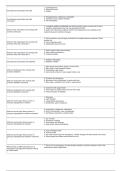
1. Cytomeglovrius
2. Kaposi sarcoma
Eye diseases associated with aids 3. Uveitis
4. Toxoplasmosis, crypticocal, meningitis
Eye diseases associated with aids 5. Central nervous system infection
continued 1 6. HIS retinopathy
1. a students ability to participate can vary from day to day or even hour to hour
2. cognitive deterioration that can be associated to AIDs
What are the implications for working with 3. goals and instruction programs need to be reassessed and modified as the
someone with aids students physical condition changes
4. Some students may be highly motivated to complete lessons because of their
shorten life.
What are the implications for working with 5. Carry separate water
someone with aids continued 1 6. Reschedule lessons if sick
7. Call to verify if okay with working
What are the implications for working with 8. Keep safety precautions
someone with aids continued 2 9. Frequent breaks
1. Diabetic retinopathy
Eye diseases associated with diabetes 2. Diabetes mellitus
1. Plan lesson times when sugar in more levels
2. May need to take frequent breaks
What are implications for working with 3. Fluctuating sugar levels
someone diabetes 4. Carry candy or juice in case sugar bottoms out
5. Contacts for emergency
What are implications for working with 6. Be aware of any numbness in hands and feet
someone diabetes continued 7. May need a modified cane hold for weak hands
4. Concerns with sugar levels
What are implications for working with 5. Know signs of sugar levels and how they react
someone diabetes continued 1 6. Know the types of diabetes
1. Dizziness
2. Light headed
What are some signs that a person is 3. inappropriate responses
having a Hypoglycemic reaction 4. drowsiness, pale complexion
5. perspiration, headache, crankiness
What are some signs that a person is 6. lack of coordination, loss of judgement
having a Hypoglycemic reaction continued 7. trembling, perspiration, sudden anger
1. dry, hot skin
2. excessive urination
What are some signs that a person is 3. drowsiness and lethargy
having a Hyperglycemia reaction 4. deep and/or labored breathing
5. fruity-smelling breath
6. blurring vision
What are some signs that a person is 7. the body needs sugar for emergency, it steals energy from fats stored in the body
having a Hyperglycemia reaction continued 8. Some people are aware while others are not
1
1. This is not an emergency, but the student needs to consult a doctors to see if her
What should an O&M specialist do if a medications needs adjustment
client has a hyperglycemia reaction during
an O&M lesson
Orientation & mobility assessmentOrientation
study guide& (domain
mobility assessment
2 relevant
Orientation
medical)
study guide
&Tommie.pdf
mobility
(domain
assessment
2 relevant
study
medical)
guideTommie
(domain 2 relevant medical) Tommie.pdf
, Orientation & mobility assessment
Orientation
study guide
& mobility
(domainassessment
2 relevant
Orientation
study
medical)
guide
&Tommie.pdf
mobility
(domainassessment
2 relevant study
medical)
guide
Tommie.pdf
(domain 2 relevant medical) Tommie.pdf
1. the treatment is to provide a form of sugar immediately
What should an O&M specialist do if a 2. best source of sugar is glucose tablets or a gel that comes in a small tube and
client has a hypoglycemia reaction during needs to be refrigerated
an O&M lesson 3. Fruit juice, sugar cubes, regular soda, honey, cake icing, life savers
1. Central acuity loss
2. Travel vision is in tact
Emaculor degeneration 3. Degeneration of retinal cones
4. Effects night vision
1. Central vision can remain in tact
2. Peripheral vision loss
3. Night blindness
RP 4. Can have spots of vision with 20/20 vision
5. Generally leads to total vision loss
Audio-gram 1. Graph depicting the hearing function
Intensity 1. Loudness of sound
Frequency 1. The number of vibration that occur at one time
1. Sound wave cycle
Phase 2. The distance between the points on the wave of sound
1. Measured in hertz
Pitch 2. How high and low a sound wave
Decibal 1. The measurement of sound
1. Pyramid shaped cavity in the skull lined by orbital bones, containing the eyeballs
plus it's muscles blood supply nerves and fat. It protects the eye organ and expands
Orbit as the organism grows
1. Mucus membrane covering the outer surface of the eyeball and inner surface of
Conjunctiva the lid
1. It is located in between the sclera and conjuctiva
Sclera 2. Protects the outer layer of the eye
1. The muscle that allows the lens to focus on small objects
Sclera muscle 2. Smooth muscle
1. Clear part of the eye
Cornea 2. That is the window of the eye
1. Color of the eye
Iris 2. Controls the amount of light coming into the eye
1. location- each side of the nose
Describe the location and role of the eye
2. function- provides housing and protection for the eye
orbit
1. Location- the mucus membrane lining the lids and covering the sclera
Describe the location and role of the
2. Function- provides protection, acts as a source of tear clements
conjunctiva
1. location- the touch, white outer layer of the eye ball
Describe the location and role of the sclera 2. Function- provides protection and form
1. Location- the uvascular, clear, front portion of the outer layer
Describe the location and role of the
2. Function- lets light ray enter the eyes and converges the light rays
cornea
1. Location- the colored disk behind the cornea and in front of the lens
Describe the location and role of the iris 2. Function- controls the amount of light entering the eyes
1. Location- the portion of the uveal trait between the choroid and iris
Describe the location and role of the ciliary
muscle
1. Vascular layer of the eye between retina and sclera and outer layers of retina
Choroid 2. Forms part of uvea along with iris and ciliary body
Orientation & mobility assessmentOrientation
study guide& (domain
mobility assessment
2 relevant
Orientation
medical)
study guide
&Tommie.pdf
mobility
(domain
assessment
2 relevant
study
medical)
guideTommie
(domain 2 relevant medical) Tommie.pdf
Orientation
study guide
& mobility
(domainassessment
2 relevant
Orientation
study
medical)
guide
&Tommie.pdf
mobility
(domainassessment
2 relevant study
medical)
guide
Tommie.pdf
(domain 2 relevant medical) Tommie.pdf
1. Cytomeglovrius
2. Kaposi sarcoma
Eye diseases associated with aids 3. Uveitis
4. Toxoplasmosis, crypticocal, meningitis
Eye diseases associated with aids 5. Central nervous system infection
continued 1 6. HIS retinopathy
1. a students ability to participate can vary from day to day or even hour to hour
2. cognitive deterioration that can be associated to AIDs
What are the implications for working with 3. goals and instruction programs need to be reassessed and modified as the
someone with aids students physical condition changes
4. Some students may be highly motivated to complete lessons because of their
shorten life.
What are the implications for working with 5. Carry separate water
someone with aids continued 1 6. Reschedule lessons if sick
7. Call to verify if okay with working
What are the implications for working with 8. Keep safety precautions
someone with aids continued 2 9. Frequent breaks
1. Diabetic retinopathy
Eye diseases associated with diabetes 2. Diabetes mellitus
1. Plan lesson times when sugar in more levels
2. May need to take frequent breaks
What are implications for working with 3. Fluctuating sugar levels
someone diabetes 4. Carry candy or juice in case sugar bottoms out
5. Contacts for emergency
What are implications for working with 6. Be aware of any numbness in hands and feet
someone diabetes continued 7. May need a modified cane hold for weak hands
4. Concerns with sugar levels
What are implications for working with 5. Know signs of sugar levels and how they react
someone diabetes continued 1 6. Know the types of diabetes
1. Dizziness
2. Light headed
What are some signs that a person is 3. inappropriate responses
having a Hypoglycemic reaction 4. drowsiness, pale complexion
5. perspiration, headache, crankiness
What are some signs that a person is 6. lack of coordination, loss of judgement
having a Hypoglycemic reaction continued 7. trembling, perspiration, sudden anger
1. dry, hot skin
2. excessive urination
What are some signs that a person is 3. drowsiness and lethargy
having a Hyperglycemia reaction 4. deep and/or labored breathing
5. fruity-smelling breath
6. blurring vision
What are some signs that a person is 7. the body needs sugar for emergency, it steals energy from fats stored in the body
having a Hyperglycemia reaction continued 8. Some people are aware while others are not
1
1. This is not an emergency, but the student needs to consult a doctors to see if her
What should an O&M specialist do if a medications needs adjustment
client has a hyperglycemia reaction during
an O&M lesson
Orientation & mobility assessmentOrientation
study guide& (domain
mobility assessment
2 relevant
Orientation
medical)
study guide
&Tommie.pdf
mobility
(domain
assessment
2 relevant
study
medical)
guideTommie
(domain 2 relevant medical) Tommie.pdf
, Orientation & mobility assessment
Orientation
study guide
& mobility
(domainassessment
2 relevant
Orientation
study
medical)
guide
&Tommie.pdf
mobility
(domainassessment
2 relevant study
medical)
guide
Tommie.pdf
(domain 2 relevant medical) Tommie.pdf
1. the treatment is to provide a form of sugar immediately
What should an O&M specialist do if a 2. best source of sugar is glucose tablets or a gel that comes in a small tube and
client has a hypoglycemia reaction during needs to be refrigerated
an O&M lesson 3. Fruit juice, sugar cubes, regular soda, honey, cake icing, life savers
1. Central acuity loss
2. Travel vision is in tact
Emaculor degeneration 3. Degeneration of retinal cones
4. Effects night vision
1. Central vision can remain in tact
2. Peripheral vision loss
3. Night blindness
RP 4. Can have spots of vision with 20/20 vision
5. Generally leads to total vision loss
Audio-gram 1. Graph depicting the hearing function
Intensity 1. Loudness of sound
Frequency 1. The number of vibration that occur at one time
1. Sound wave cycle
Phase 2. The distance between the points on the wave of sound
1. Measured in hertz
Pitch 2. How high and low a sound wave
Decibal 1. The measurement of sound
1. Pyramid shaped cavity in the skull lined by orbital bones, containing the eyeballs
plus it's muscles blood supply nerves and fat. It protects the eye organ and expands
Orbit as the organism grows
1. Mucus membrane covering the outer surface of the eyeball and inner surface of
Conjunctiva the lid
1. It is located in between the sclera and conjuctiva
Sclera 2. Protects the outer layer of the eye
1. The muscle that allows the lens to focus on small objects
Sclera muscle 2. Smooth muscle
1. Clear part of the eye
Cornea 2. That is the window of the eye
1. Color of the eye
Iris 2. Controls the amount of light coming into the eye
1. location- each side of the nose
Describe the location and role of the eye
2. function- provides housing and protection for the eye
orbit
1. Location- the mucus membrane lining the lids and covering the sclera
Describe the location and role of the
2. Function- provides protection, acts as a source of tear clements
conjunctiva
1. location- the touch, white outer layer of the eye ball
Describe the location and role of the sclera 2. Function- provides protection and form
1. Location- the uvascular, clear, front portion of the outer layer
Describe the location and role of the
2. Function- lets light ray enter the eyes and converges the light rays
cornea
1. Location- the colored disk behind the cornea and in front of the lens
Describe the location and role of the iris 2. Function- controls the amount of light entering the eyes
1. Location- the portion of the uveal trait between the choroid and iris
Describe the location and role of the ciliary
muscle
1. Vascular layer of the eye between retina and sclera and outer layers of retina
Choroid 2. Forms part of uvea along with iris and ciliary body
Orientation & mobility assessmentOrientation
study guide& (domain
mobility assessment
2 relevant
Orientation
medical)
study guide
&Tommie.pdf
mobility
(domain
assessment
2 relevant
study
medical)
guideTommie
(domain 2 relevant medical) Tommie.pdf


