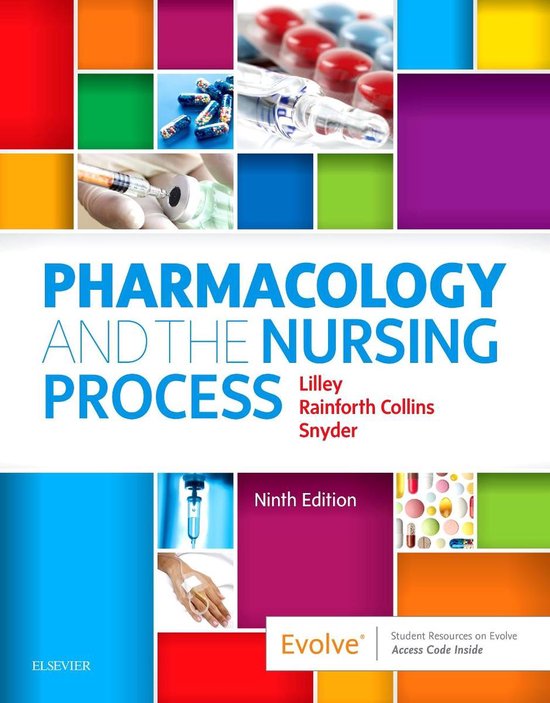
Pharmacology and the Nursing Process 9th Edition Test Bank
gt gt gt gt gt gt gt gt
TestBankfor gt gt
PharmacologyandtheNursingProcess9 thEdi gt gt gt gt gt gt
tionAuthors: Linda Lilley, Shelly Collins, Julie Snyder gt gt gt gt gt gt
PART 1: PHARMACOLOGY BASICS
gt gt gt
Chapter1 -The Nursing Process and Drug Therapy ___________________________________ 3
gt gt gt gt gt gt g t gt
Chapter2 - Pharmacologic Principles _____________________________________________ 7
gt gt g t gt
Chapter3 - Lifespan Considerations ______________________________________________ 13
gt gt gt gt
Chapter4 - Cultural Legal and Ethical Considerations_________________________________ 19
gt gt gt gt gt g t gt
Chapter5 -Medication Errors Preventing and Responding _____________________________ 25
gt gt gt gt gt g t gt
Chapter6 -Patient Education and Drug Therapy _____________________________________ 29
gt gt gt gt gt g t gt
Chapter 7 - Over-the-Counter Drugs and Herbal and Dietary Supplements ___________________ 34
gt gt gt gt gt gt gt gt gt
Chapter8 - GeneTherapy and Pharmacogenomics ___________________________________ 38
gt gt gt gt g t gt
Chapter9 - Photo Atlas of Drug Administration _____________________________________ 42
gt gt gt gt jc g t gt
PART 2: DRUGS AFFECTING THE CENTRAL NERVOUS SYSTEM
gt gt gt gt gt gt gt
Chapter10 - Analgesic Drugs ___________________________________________________ 50
gt gt gt gt
Chapter11 -General and Local Anesthetics_________________________________________ 57
gt gt gt gt g t gt
Chapter 12 - Central Nervous System Depressants and Muscle Relaxants 61 Chapter 13 -
gt gt gt gt gt gt gt gt gt gt gt gt gt
Central Nervous System Stimulants and Related Drugs ______________________________ 66
g t gt gt gt g t gt
Chapter14 - Antiepileptic Drugs _________________________________________________ 70
gt gt gt gt
Chapter15 - Anti-Parkinson Drugs _______________________________________________ 75
gt gt gt gt
Chapter16 - Psychotherapeutic Drugs_____________________________________________ 80
gt gt g t gt
Chapter17 - Substance Use Disorder ______________________________________________ 87
gt gt gt g t gt
PART 3: DRUGS AFFECTING THE AUTONOMIC NERVOUS SYSTEM
gt gt gt gt gt gt gt
Chapter18 - Adrenergic Drugs __________________________________________________ 92
gt gt gt gt
Chapter19 - Adrenergic-Blocking Drugs __________________________________________ 97
gt gt g t gt
Chapter 1 - The Nursing Process and Drug Therapy
gt gt gt gt gt gt gt gt 1
,Pharmacology and the Nursing Process 9th Edition Test Bank
gt gt gt gt gt gt gt gt
Chapter20 - Cholinergic Drugs __________________________________________________ 102
gt gt gt gt
Chapter21 - Cholinergic-Blocking Drugs __________________________________________ 107
gt gt g t gt
PART 4: DRUGS AFFECTING THE CARDIOVASCULAR AND RENAL SYSTEMS
gt gt gt gt gt jc gt gt
Chapter22 - Antihypertensive Drugs _____________________________________________ 112
gt gt g t gt
Chapter23 - Antianginal Drugs __________________________________________________ 118
gt gt gt gt
Chapter24 -Heart Failure Drugs _________________________________________________ 124
gt gt gt g t gt
Chapter25 - Antidysrhythmic Drugs ______________________________________________ 129
gt gt gt gt
Chapter26 -Coagulation Modifier Drugs __________________________________________ 134
gt gt gt g t gt
Chapter27 - Antilipemic Drugs __________________________________________________ 140
gt gt gt gt
Chapter28 - Diuretic Drugs _____________________________________________________ 145
gt gt gt gt
Chapter29 - Fluids and Electrolytes _______________________________________________ 151
gt gt gt g t gt
PART 5: DRUGS AFFECTING THE ENDOCRINE AND REPRODUCTIVE SYSTEMS
gt gt gt gt gt gt gt gt
Chapter30 - Pituitary Drugs_____________________________________________________ 157
gt gt gt gt
Chapter31 - Thyroid and Antithyroid Drugs ________________________________________ 161
gt gt gt gt g t gt
Chapter32 - Antidiabetic Drugs _________________________________________________ 166
gt gt gt gt
Chapter33 - Adrenal Drugs _____________________________________________________ 174
gt gt gt gt
Chapter34 - Women’s Health Drugs ______________________________________________ 178
gt gt gt g t gt
Chapter35 - Men’s Health Drugs _________________________________________________ 185
gt gt gt g t gt
PART 6: DRUGS AFFECTING THE RESPIRATORY SYSTEM
gt gt gt gt gt gt
Chapter36 - Antihistamines Decongestants Antitussives and Expectorants __________________ 189
gt gt gt gt gt gt gt
Chapter37 - Respiratory Drugs __________________________________________________ 194
gt gt gt gt
PART 7: ANTIINFECTIVE AND ANTIINFLAMMATORY DRUGS
gt gt gt gt gt
Chapter38 - Antibiotics Part 1 ___________________________________________________ 199
gt gt gt gt gt
Chapter39 - Antibiotics Part 2 ___________________________________________________ 206
gt gt gt gt gt
Chapter40 - Antiviral Drugs ____________________________________________________ 211
gt gt gt gt
Chapter41 - Antitubercular Drugs ________________________________________________ 216
gt gt g t gt
Chapter42 - Antifungal Drugs ___________________________________________________ 221
gt gt gt gt
Chapter43 -Antimalarial Antiprotozoal and Anthelmintic Drugs _______________________ 226
gt gt gt gt gt g t gt
Chapter44 -Anti-inflammatory and Antigout Drugs _________________________________ 231
gt gt gt gt g t gt
PART 8: CHEMOTHERAPEUTIC DRUGS AND BIOLOGIC
AND IMMUNE MODIFIERS
gt gt
Chapter 45 - Antineoplastic Drugs Part 1 Cancer Overview and Cell Cycle ___________________ 236
gt gt gt gt gt gt gt gt gt gt gt
Chapter46 - AntineoplasticDrugs Part 2 Cell Cycle Nonspecific and Misc. Drugs ____________ 242
gt gt gt gt gt jc gt gt gt gt g t gt
Chapter 1 - The Nursing Process and Drug Therapy
gt gt gt gt gt gt gt gt 2
,Pharmacology and the Nursing Process 9th Edition Test Bank
gt gt gt gt gt gt gt gt
Chapter47 -Biologic Response–Modifying and Antirheumatic Drugs ___________________ 247
gt gt gt gt gt g t gt
Chapter48 - Immunosuppressant Drugs ___________________________________________ 252
gt gt g t gt
Chapter49 - Immunizing Drugs _________________________________________________ 257
gt gt gt gt
PART 9: DRUGS AFFECTING THE GASTROINTESTINAL SYSTEM AND NUTRITION
gt gt gt gt gt gt gt gt
Chapter50 - Acid-Controlling Drugs _____________________________________________ 262
gt gt gt gt
Chapter51 - Bowel Disorder Drugs _______________________________________________ 268
gt gt gt g t gt
Chapter52 -Antiemetic and Antinausea Drugs ______________________________________ 275
gt gt gt gt g t gt
Chapter53 - Vitamins and Minerals _______________________________________________ 280
gt gt gt g t gt
Chapter54 - Anemia Drugs _____________________________________________________ 286
gt gt gt gt
Chapter55 - Nutritional Supplements _____________________________________________ 292
gt gt g t gt
PART 10: DERMATOLOGIC, OPHTHALMIC, AND OTIC DRUGS
gt gt gt gt gt gt
Chapter56 - Drugs ____________________________________________________________ 296
gt gt gt
Chapter57 - Ophthalmic Drugs __________________________________________________ 302
gt gt gt gt
Chapter58 - Otic Drugs ________________________________________________________ 307
gt gt gt gt
Chapter 01: The Nursing Process and Drug Therapy Lilley: P
gt gt gt gt gt gt gt gt gt
harmacology and the Nursing Process, 9th Edition gt gt gt jc gt gt
MULTIPLE CHOICE gt
1. Thenurseis developing a human needs statement fora patient who has a new diagnosis of he art f
gt gt gt gt gt jc gt gt gt gt jc gt gt gt gt jc gt gt gt
ailure. Identification of human needs statements occur with which of these activities?
gt jc gt jc gt gt gt gt jc gt gt
a. Collection of patient data gt gt gt
b. Administering interventions gt
c. Deciding on patient outcomes jc jc gt
d. Documenting the patient’s behavior gt gt gt
ANS:A
Identification of human needs occurs with the collection of patient data. gt gt gt gt jc gt gt gt gt gt
DIF: CognitiveLevel: Understanding (Comprehension) TOP: Nursing Process:
gt gt gt jc gt gt jc
Human Needs Statement
gt gt jc
MSC: NCLEX: Safe and Effective Care Environment: Management of Care
gt gt gt gt gt gt gt gt gt
2. Thepatient is to receive oral guaifenesin (Mucinex) twice a day. Today, the nursewas bu sy
jc gt jc gt gt gt gt gt gt gt gt gt gt gt gt
and gave the medication 2 hours after the scheduled dose was due. What type of probl em do
gt gt gt gt gt gt gt gt gt gt gt gt gt gt gt gt gt
es this represent?
gt gt
a. “Right time” gt
b. “Right dose” gt
c. “Right route” gt
d. “Right medication” gt
ANS:A
“Right time” is correct because the medication was given more than 30 minutes after the
gt gt gt gt gt gt gt gt gt gt gt gt gt gt
Chapter 1 - The Nursing Process and Drug Therapy
gt gt gt gt gt gt gt gt 3
, Pharmacology and the Nursing Process 9th Edition Test Bank
gt gt gt gt gt gt gt gt
scheduled dose was due. “Dose” is incorrect because the dose is not related to the time the me dic
jc gt gt gt gt gt gt gt gt gt gt jc gt gt gt gt gt gt
ation administration is scheduled. “Route” is incorrect because the route is not affected. “ Med
gt gt gt gt gt gt jc gt gt gt jc gt gt gt
ication” is incorrect because the medication ordered will not change.
gt gt jc gt gt gt gt gt gt
DIF:CognitiveLevel:Applying (Application) TOP:
gt gt gt jc gt
Nursing Process: Implementation jc gt
MSC: NCLEX: Safe and Effective Care Environment: Safety and Infection Control
gt gt gt gt gt gt gt gt gt gt
3. The nurse has been monitoring the patient’s progress on a new drug regimen since the first do se a
gt gt jc gt jc gt gt gt gt gt gt gt gt gt gt jc gt gt
nd documenting the patient’s therapeutic response to the medication. Which phase of the nursin
gt gt gt gt gt gt gt gt gt gt gt gt gt
g process do these actions illustrate?
gt gt gt gt gt
a. Human needs statement gt gt
b. Planning
c. Implementation
d. Evaluation
ANS:D
Monitoring the patient’s progress, including the patient’s response to the medication, is part of
gt gt gt gt gt gt gt gt gt gt gt gt gt j
the evaluation phase. Planning, implementation, and human needs statement are not illustr ated
c gt gt gt gt gt jc gt gt gt gt gt gt gt
by this example.
gt gt
DIF: Cognitive Level: Understanding (Comprehension)
gt gt gt jc
TOP:Nursing Process: jc
Evaluation
MSC: NCLEX :Safe and Effective Care Environment: Management of Care
gt jc gt gt gt gt gt gt gt
4. Thenurse is assigned to apatient who is newly diagnosed with type 1 diabetes mellitus. W hic
gt jc gt jc gt gt gt gt gt gt gt gt jc gt gt gt gt
h statement best illustrates an outcome criterion for this patient?
gt jc gt gt gt gt jc gt gt
a. The patient will follow instructions. gt gt gt gt
b. The patient will not experience complications. gt gt gt gt gt
c. Thepatient will adhere to the new insulin treatment regimen.
gt jc gt gt gt gt gt gt gt
d. The patient will demonstrate correct blood glucose testing technique.
gt gt gt gt gt jc gt gt
ANS: D gt
“Demonstrating correct blood glucose testing technique” is a specific and measurable outco gt gt gt gt gt gt gt gt jc gt gt gt
me criterion. “Following instructions” and “not experiencing complications” arenot specific cr
gt gt gt gt gt gt gt gt gt gt
iteria. “Adhering to new regimen” would be difficult to measure.
gt gt gt gt gt gt gt jc gt
DIF: Cognitive Level: Applying (Application)
gt gt gt gt
TOP:Nursing Process: jc
Planning
MSC: NCLEX: Safe and Effective Care Environment: Management of Care
gt gt gt jc gt gt gt gt gt
5. Whichactivity best reflects theimplementation phaseofthenursing process forthepatient w ho
gt gt jc gt gt gt gt gt gt jc gt gt gt gt gt gt
is newly diagnosed with hypertension?
gt gt gt gt
a. Providing education on keeping a journal of blood pressure readings gt jc gt gt gt gt gt gt gt
b. Setting goals and outcome criteria with the patient’s input gt gt gt gt jc gt gt gt
c. Recording a drug history regarding over-the-counter medications used at home jc gt gt gt gt gt gt jc gt
d. Formulating human needs statements regarding insufficient knowledge related to t he gt gt gt gt gt gt gt jc gt gt
new treatment regimen
gt gt jc
ANS: A gt
Education is an intervention that occurs during the implementation phase. Setting goals and out
gt gt gt gt gt gt gt gt jc gt gt gt gt
comes reflects the planning phase. Recording a drug history reflects the assessment phase. Form
jc jc gt gt gt gt gt jc gt gt gt jc gt
ulating human needs statements reflects analysis of data as part of planning.
gt gt gt gt gt gt gt gt gt gt gt
Chapter 1 - The Nursing Process and Drug Therapy
gt gt gt gt gt gt gt gt 4
gt gt gt gt gt gt gt gt
TestBankfor gt gt
PharmacologyandtheNursingProcess9 thEdi gt gt gt gt gt gt
tionAuthors: Linda Lilley, Shelly Collins, Julie Snyder gt gt gt gt gt gt
PART 1: PHARMACOLOGY BASICS
gt gt gt
Chapter1 -The Nursing Process and Drug Therapy ___________________________________ 3
gt gt gt gt gt gt g t gt
Chapter2 - Pharmacologic Principles _____________________________________________ 7
gt gt g t gt
Chapter3 - Lifespan Considerations ______________________________________________ 13
gt gt gt gt
Chapter4 - Cultural Legal and Ethical Considerations_________________________________ 19
gt gt gt gt gt g t gt
Chapter5 -Medication Errors Preventing and Responding _____________________________ 25
gt gt gt gt gt g t gt
Chapter6 -Patient Education and Drug Therapy _____________________________________ 29
gt gt gt gt gt g t gt
Chapter 7 - Over-the-Counter Drugs and Herbal and Dietary Supplements ___________________ 34
gt gt gt gt gt gt gt gt gt
Chapter8 - GeneTherapy and Pharmacogenomics ___________________________________ 38
gt gt gt gt g t gt
Chapter9 - Photo Atlas of Drug Administration _____________________________________ 42
gt gt gt gt jc g t gt
PART 2: DRUGS AFFECTING THE CENTRAL NERVOUS SYSTEM
gt gt gt gt gt gt gt
Chapter10 - Analgesic Drugs ___________________________________________________ 50
gt gt gt gt
Chapter11 -General and Local Anesthetics_________________________________________ 57
gt gt gt gt g t gt
Chapter 12 - Central Nervous System Depressants and Muscle Relaxants 61 Chapter 13 -
gt gt gt gt gt gt gt gt gt gt gt gt gt
Central Nervous System Stimulants and Related Drugs ______________________________ 66
g t gt gt gt g t gt
Chapter14 - Antiepileptic Drugs _________________________________________________ 70
gt gt gt gt
Chapter15 - Anti-Parkinson Drugs _______________________________________________ 75
gt gt gt gt
Chapter16 - Psychotherapeutic Drugs_____________________________________________ 80
gt gt g t gt
Chapter17 - Substance Use Disorder ______________________________________________ 87
gt gt gt g t gt
PART 3: DRUGS AFFECTING THE AUTONOMIC NERVOUS SYSTEM
gt gt gt gt gt gt gt
Chapter18 - Adrenergic Drugs __________________________________________________ 92
gt gt gt gt
Chapter19 - Adrenergic-Blocking Drugs __________________________________________ 97
gt gt g t gt
Chapter 1 - The Nursing Process and Drug Therapy
gt gt gt gt gt gt gt gt 1
,Pharmacology and the Nursing Process 9th Edition Test Bank
gt gt gt gt gt gt gt gt
Chapter20 - Cholinergic Drugs __________________________________________________ 102
gt gt gt gt
Chapter21 - Cholinergic-Blocking Drugs __________________________________________ 107
gt gt g t gt
PART 4: DRUGS AFFECTING THE CARDIOVASCULAR AND RENAL SYSTEMS
gt gt gt gt gt jc gt gt
Chapter22 - Antihypertensive Drugs _____________________________________________ 112
gt gt g t gt
Chapter23 - Antianginal Drugs __________________________________________________ 118
gt gt gt gt
Chapter24 -Heart Failure Drugs _________________________________________________ 124
gt gt gt g t gt
Chapter25 - Antidysrhythmic Drugs ______________________________________________ 129
gt gt gt gt
Chapter26 -Coagulation Modifier Drugs __________________________________________ 134
gt gt gt g t gt
Chapter27 - Antilipemic Drugs __________________________________________________ 140
gt gt gt gt
Chapter28 - Diuretic Drugs _____________________________________________________ 145
gt gt gt gt
Chapter29 - Fluids and Electrolytes _______________________________________________ 151
gt gt gt g t gt
PART 5: DRUGS AFFECTING THE ENDOCRINE AND REPRODUCTIVE SYSTEMS
gt gt gt gt gt gt gt gt
Chapter30 - Pituitary Drugs_____________________________________________________ 157
gt gt gt gt
Chapter31 - Thyroid and Antithyroid Drugs ________________________________________ 161
gt gt gt gt g t gt
Chapter32 - Antidiabetic Drugs _________________________________________________ 166
gt gt gt gt
Chapter33 - Adrenal Drugs _____________________________________________________ 174
gt gt gt gt
Chapter34 - Women’s Health Drugs ______________________________________________ 178
gt gt gt g t gt
Chapter35 - Men’s Health Drugs _________________________________________________ 185
gt gt gt g t gt
PART 6: DRUGS AFFECTING THE RESPIRATORY SYSTEM
gt gt gt gt gt gt
Chapter36 - Antihistamines Decongestants Antitussives and Expectorants __________________ 189
gt gt gt gt gt gt gt
Chapter37 - Respiratory Drugs __________________________________________________ 194
gt gt gt gt
PART 7: ANTIINFECTIVE AND ANTIINFLAMMATORY DRUGS
gt gt gt gt gt
Chapter38 - Antibiotics Part 1 ___________________________________________________ 199
gt gt gt gt gt
Chapter39 - Antibiotics Part 2 ___________________________________________________ 206
gt gt gt gt gt
Chapter40 - Antiviral Drugs ____________________________________________________ 211
gt gt gt gt
Chapter41 - Antitubercular Drugs ________________________________________________ 216
gt gt g t gt
Chapter42 - Antifungal Drugs ___________________________________________________ 221
gt gt gt gt
Chapter43 -Antimalarial Antiprotozoal and Anthelmintic Drugs _______________________ 226
gt gt gt gt gt g t gt
Chapter44 -Anti-inflammatory and Antigout Drugs _________________________________ 231
gt gt gt gt g t gt
PART 8: CHEMOTHERAPEUTIC DRUGS AND BIOLOGIC
AND IMMUNE MODIFIERS
gt gt
Chapter 45 - Antineoplastic Drugs Part 1 Cancer Overview and Cell Cycle ___________________ 236
gt gt gt gt gt gt gt gt gt gt gt
Chapter46 - AntineoplasticDrugs Part 2 Cell Cycle Nonspecific and Misc. Drugs ____________ 242
gt gt gt gt gt jc gt gt gt gt g t gt
Chapter 1 - The Nursing Process and Drug Therapy
gt gt gt gt gt gt gt gt 2
,Pharmacology and the Nursing Process 9th Edition Test Bank
gt gt gt gt gt gt gt gt
Chapter47 -Biologic Response–Modifying and Antirheumatic Drugs ___________________ 247
gt gt gt gt gt g t gt
Chapter48 - Immunosuppressant Drugs ___________________________________________ 252
gt gt g t gt
Chapter49 - Immunizing Drugs _________________________________________________ 257
gt gt gt gt
PART 9: DRUGS AFFECTING THE GASTROINTESTINAL SYSTEM AND NUTRITION
gt gt gt gt gt gt gt gt
Chapter50 - Acid-Controlling Drugs _____________________________________________ 262
gt gt gt gt
Chapter51 - Bowel Disorder Drugs _______________________________________________ 268
gt gt gt g t gt
Chapter52 -Antiemetic and Antinausea Drugs ______________________________________ 275
gt gt gt gt g t gt
Chapter53 - Vitamins and Minerals _______________________________________________ 280
gt gt gt g t gt
Chapter54 - Anemia Drugs _____________________________________________________ 286
gt gt gt gt
Chapter55 - Nutritional Supplements _____________________________________________ 292
gt gt g t gt
PART 10: DERMATOLOGIC, OPHTHALMIC, AND OTIC DRUGS
gt gt gt gt gt gt
Chapter56 - Drugs ____________________________________________________________ 296
gt gt gt
Chapter57 - Ophthalmic Drugs __________________________________________________ 302
gt gt gt gt
Chapter58 - Otic Drugs ________________________________________________________ 307
gt gt gt gt
Chapter 01: The Nursing Process and Drug Therapy Lilley: P
gt gt gt gt gt gt gt gt gt
harmacology and the Nursing Process, 9th Edition gt gt gt jc gt gt
MULTIPLE CHOICE gt
1. Thenurseis developing a human needs statement fora patient who has a new diagnosis of he art f
gt gt gt gt gt jc gt gt gt gt jc gt gt gt gt jc gt gt gt
ailure. Identification of human needs statements occur with which of these activities?
gt jc gt jc gt gt gt gt jc gt gt
a. Collection of patient data gt gt gt
b. Administering interventions gt
c. Deciding on patient outcomes jc jc gt
d. Documenting the patient’s behavior gt gt gt
ANS:A
Identification of human needs occurs with the collection of patient data. gt gt gt gt jc gt gt gt gt gt
DIF: CognitiveLevel: Understanding (Comprehension) TOP: Nursing Process:
gt gt gt jc gt gt jc
Human Needs Statement
gt gt jc
MSC: NCLEX: Safe and Effective Care Environment: Management of Care
gt gt gt gt gt gt gt gt gt
2. Thepatient is to receive oral guaifenesin (Mucinex) twice a day. Today, the nursewas bu sy
jc gt jc gt gt gt gt gt gt gt gt gt gt gt gt
and gave the medication 2 hours after the scheduled dose was due. What type of probl em do
gt gt gt gt gt gt gt gt gt gt gt gt gt gt gt gt gt
es this represent?
gt gt
a. “Right time” gt
b. “Right dose” gt
c. “Right route” gt
d. “Right medication” gt
ANS:A
“Right time” is correct because the medication was given more than 30 minutes after the
gt gt gt gt gt gt gt gt gt gt gt gt gt gt
Chapter 1 - The Nursing Process and Drug Therapy
gt gt gt gt gt gt gt gt 3
, Pharmacology and the Nursing Process 9th Edition Test Bank
gt gt gt gt gt gt gt gt
scheduled dose was due. “Dose” is incorrect because the dose is not related to the time the me dic
jc gt gt gt gt gt gt gt gt gt gt jc gt gt gt gt gt gt
ation administration is scheduled. “Route” is incorrect because the route is not affected. “ Med
gt gt gt gt gt gt jc gt gt gt jc gt gt gt
ication” is incorrect because the medication ordered will not change.
gt gt jc gt gt gt gt gt gt
DIF:CognitiveLevel:Applying (Application) TOP:
gt gt gt jc gt
Nursing Process: Implementation jc gt
MSC: NCLEX: Safe and Effective Care Environment: Safety and Infection Control
gt gt gt gt gt gt gt gt gt gt
3. The nurse has been monitoring the patient’s progress on a new drug regimen since the first do se a
gt gt jc gt jc gt gt gt gt gt gt gt gt gt gt jc gt gt
nd documenting the patient’s therapeutic response to the medication. Which phase of the nursin
gt gt gt gt gt gt gt gt gt gt gt gt gt
g process do these actions illustrate?
gt gt gt gt gt
a. Human needs statement gt gt
b. Planning
c. Implementation
d. Evaluation
ANS:D
Monitoring the patient’s progress, including the patient’s response to the medication, is part of
gt gt gt gt gt gt gt gt gt gt gt gt gt j
the evaluation phase. Planning, implementation, and human needs statement are not illustr ated
c gt gt gt gt gt jc gt gt gt gt gt gt gt
by this example.
gt gt
DIF: Cognitive Level: Understanding (Comprehension)
gt gt gt jc
TOP:Nursing Process: jc
Evaluation
MSC: NCLEX :Safe and Effective Care Environment: Management of Care
gt jc gt gt gt gt gt gt gt
4. Thenurse is assigned to apatient who is newly diagnosed with type 1 diabetes mellitus. W hic
gt jc gt jc gt gt gt gt gt gt gt gt jc gt gt gt gt
h statement best illustrates an outcome criterion for this patient?
gt jc gt gt gt gt jc gt gt
a. The patient will follow instructions. gt gt gt gt
b. The patient will not experience complications. gt gt gt gt gt
c. Thepatient will adhere to the new insulin treatment regimen.
gt jc gt gt gt gt gt gt gt
d. The patient will demonstrate correct blood glucose testing technique.
gt gt gt gt gt jc gt gt
ANS: D gt
“Demonstrating correct blood glucose testing technique” is a specific and measurable outco gt gt gt gt gt gt gt gt jc gt gt gt
me criterion. “Following instructions” and “not experiencing complications” arenot specific cr
gt gt gt gt gt gt gt gt gt gt
iteria. “Adhering to new regimen” would be difficult to measure.
gt gt gt gt gt gt gt jc gt
DIF: Cognitive Level: Applying (Application)
gt gt gt gt
TOP:Nursing Process: jc
Planning
MSC: NCLEX: Safe and Effective Care Environment: Management of Care
gt gt gt jc gt gt gt gt gt
5. Whichactivity best reflects theimplementation phaseofthenursing process forthepatient w ho
gt gt jc gt gt gt gt gt gt jc gt gt gt gt gt gt
is newly diagnosed with hypertension?
gt gt gt gt
a. Providing education on keeping a journal of blood pressure readings gt jc gt gt gt gt gt gt gt
b. Setting goals and outcome criteria with the patient’s input gt gt gt gt jc gt gt gt
c. Recording a drug history regarding over-the-counter medications used at home jc gt gt gt gt gt gt jc gt
d. Formulating human needs statements regarding insufficient knowledge related to t he gt gt gt gt gt gt gt jc gt gt
new treatment regimen
gt gt jc
ANS: A gt
Education is an intervention that occurs during the implementation phase. Setting goals and out
gt gt gt gt gt gt gt gt jc gt gt gt gt
comes reflects the planning phase. Recording a drug history reflects the assessment phase. Form
jc jc gt gt gt gt gt jc gt gt gt jc gt
ulating human needs statements reflects analysis of data as part of planning.
gt gt gt gt gt gt gt gt gt gt gt
Chapter 1 - The Nursing Process and Drug Therapy
gt gt gt gt gt gt gt gt 4