
Pharmacology Test Bank 1
, Pharmacology Test Bank 2
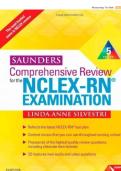
Silvestri: Saunders Comprehensive Review for the
NCLEX-RN® Examination, 5th Edition
Pharmacology
Test Bank
MULTIPLE CHOICE
1. TheI!nurseL isL caringL forL aL clientL inL labor.L TheL nurseL reviewsL theL physician’sL prescriptionsL andL
notesL thatL theL clientL hasL aL prescriptionL forL butorphanolL tartrateL (Stadol).L TheL nurseL understandsL
thatL thisL medicationLisL prescribedL for:
1. PainL relief
2. IncreasingL uterineL contractions
3. DecreasingL uterineL contractions
4. PromotingL fetalL lungL maturity
ANS:L 1
Rationale:L TheL clientL inL laborL mayL beL givenL parenteralL analgesiaL duringL theL firstL stageL ofL labor,L
upL toL 2L toL3L hoursL beforeL theL anticipatedL delivery. L ButorphanolL tartrateL isL aL medicationL thatL mayL
beL prescribedL forL painL relief.L “IncreasingL uterineL contractions,”L “decreasingL uterineL contractions,”L
andL “promotingL fetalL lungL maturity”L areL notL actionsL ofL thisL medication.
Test-TakingL Strategy:L KnowledgeL ofL theL actionL ofL butorphanolL tartrateL isL requiredL toL answerL thisL
question.L RememberL thatL thisL medicationL isL usedL forL painL relief.L ReviewL theL actionL ofL thisL
medicationL ifLyouL hadL difficultyL withL thisL questionL andL areL unfamiliarL withL thisL medication.
PTS: 1
DIF: LevelL ofL CognitiveLAbility:L Understanding
REF: Lehne,L R.L (2010).L PharmacologyL forL nursingL careL (7thL ed.).L St.L Louis:L
Saunders.LOBJ: ClientL Needs:L PhysiologicalL Integrity
TOP: ContentLArea:L Pharmacology
MSC:L IntegratedL Process:L NursingL Process—Planning
2. TheL postpartumL nurseL isL caringL forL aL clientL withL anL epiduralL catheterL inL placeL forL opioidL
analgesicL administrationL followingL cesareanL birth.L IfL theL clientL developsL respiratoryL
depressionL andL requiresLnaloxoneL (Narcan)L asL anL antidote,L theL clientL mayL complainL ofL whichL
ofL theL following?
1. IncreaseL inL herL painL level
2. DecreaseL inL herL painL level
3. IncreaseL inL theL amountL ofL itchingL fromL theL opioidL usedL inL theL epidural
4. DecreaseL inL theL amountL ofL itchingL fromL theL opioidL usedL inL theL epidural
, Pharmacology Test Bank 3
ANS:L 1
Rationale:L RememberL thatL opioidsL areL usedL forL epiduralL analgesia.L NaloxoneL isL anL opioidL
antagonist,L whichL reversesL theL effectsL ofL opioids.L IfL itL isL given,L theL clientL mayL complainL ofL anL
increaseL inL herL painL level.L ThereforeL “decreaseL inL herL painL level,”L “increaseL inL theL amountL ofL
itchingL fromL theL opioidL usedL inL theL epidural,”L andL “decreaseL inL theL amountL ofL itchingL fromL theL
opioidL usedL inL theL epidural”L areL incorrect.
Test-TakingL Strategy:L ToL answerL thisL questionL accurately,L youL mustL knowL thatL opioidL analgesicsL areL
theLmedicationsL usedL withL epiduralL analgesiaL toL relieveL pain. L ThereforeL ifL naloxoneL isL administeredL
asL anL antidoteL forL anL opioidL analgesic,L theL client’sL painL willL increase.L ReviewL theL effectsL ofL
naloxoneL ifL thisL questionL wasL difficult.
PTS: 1
DIF: LevelL ofL CognitiveLAbility:L Understanding
REF: Lehne,L R.L (2010).L PharmacologyL forL nursingL careL (7thL ed.).L St.L Louis:L
Saunders.LOBJ: ClientL Needs:L PhysiologicalL Integrity
TOP: ContentLArea:L Pharmacology
MSC:L IntegratedL Process:L NursingL Process—Assessment
3. AL clientL experiencingL pretermL laborL atL theL twenty-ninthL weekL ofL gestationL hasL beenL admittedL toL
theL hospital.L TheL clientL hasL aL prescriptionL toL receiveL betamethasoneL (Celestone).L TheL nurseL
understandsL thatLtheL medicationL willL doL whichL ofL theL following?
1. PreventL spontaneousL delivery.
2. StopL theL uterineL contractions.
3. PromoteL maturationL ofL theL fetalL lungs.
4. AccelerateL theL growthL rateL ofL theL fetus.
ANS:L 3
Rationale:L BetamethasoneL (Celestone)L isL classifiedL asL anL anti-inflammatoryL andL corticosteroid.L ItL
increasesL theL surfactantL levelL andL lungL maturityL inL theL fetus,L whichL reducesL theL incidenceL ofL
respiratoryL distressL syndrome.L DeliveryL mustL beL delayedL forL atL leastL 48L hoursL afterL administrationL
ofL betamethasoneLtoL allowL timeL forL theL lungsL ofL theL fetusL toL mature.
Test-TakingL Strategy:L OptionsL thatL areL comparableL orL alikeL areL notL likelyL toL beL correct.L WithL thisL
inL mind,L eliminateL “preventL spontaneousL delivery”L andL “stopL theL uterineL contractions.”L NoteL theL
strategicL wordsL “twenty-ninthL weekL ofL gestation.”L SpecificL knowledgeL aboutL theL medicationL andL
knowledgeL ofL theLproblemsL encounteredL byL prematureL infantsL willL assistL inL answeringL thisL question.L
ReviewL theL actionL ofL thisL medicationL ifL thisL questionL wasL difficult.
PTS: 1
DIF: LevelL ofL CognitiveLAbility:L Understanding
REF: McKinney, L E.,L James,L S.,L Murray,L S.,L &LAshwill,L J.L (2009).L Maternal-childL nursingL (3rdL
ed.).L St.LLouis:L Saunders. OBJ: ClientL Needs:L PhysiologicalL Integrity
TOP: ContentLArea:L Pharmacology
MSC:L IntegratedL Process:L NursingL Process—Planning
4. AL clientL withL preeclampsiaL isL receivingL magnesiumL sulfate.L TheL nurseL assessesL theL clientL
, Pharmacology Test Bank 4
closelyL forLwhichL signL ofL magnesiumL toxicity?
1. Proteinuria
2. HyperactiveL deepL tendonL reflexes
3. RespiratoryL rateL ofL 10L breaths/min
4. SerumL magnesiumL levelL ofL 5L mEq/L
ANS:L 3
Rationale:L MagnesiumL toxicityL isL aL riskL associatedL withL magnesiumL sulfateL therapy.L SignsL ofL
magnesiumLtoxicityL relateL toL centralL nervousL systemL (CNS)L depressionL andL includeL respiratoryL
depression,L lossL ofL deepL tendonL reflexes,L andL suddenL dropL inL fetalL heartL rateL and/orL maternalL heartL
rateL andL bloodL pressure.
MagnesiumL isL excretedL throughL theL kidneys.L IfL renalL impairmentL isL present,L magnesiumL toxicityL canL
developL veryL quickly.L TherapeuticL serumL levelsL ofL magnesiumL areL 4L toL 7L mEq/L.
Test-TakingL Strategy:L ToL answerL thisL questionL accurately,L youL mustL recallL thatL magnesiumL sulfateL
isL aL CNSL depressant.L BeginL toL answerL thisL questionL byL eliminatingL “proteinuria”L andL “hyperactiveL
deepL tendonL reflexes,”L whichL areL signsL ofL preeclampsia.L SelectL betweenL theL lastL twoL optionsL usingL
medicationLknowledgeL andL recallingL thatL theL therapeuticL serumL levelsL ofL magnesiumL areL 4L toL 7L
mEq/L.L ReviewL thisL medicationL andL theL normalL magnesiumL levelL ifL thisL questionL wasL difficult.
PTS: 1
DIF: LevelL ofL CognitiveLAbility:L Analyzing
REF: Lowdermilk,L D.,L Perry,L S.,L &L Cashion,L K.L (2010).L MaternityL nursingL (8thL ed.).L St.L Louis:L
Mosby.
OBJ: ClientL Needs:L PhysiologicalL
IntegrityLTOP: ContentLArea:L Pharmacology
MSC:L IntegratedL Process:L NursingL Process—Assessment
5. AL pregnantL clientL whoL hasL humanL immunodeficiencyL virusL (HIV)L infectionL isL beingL seenL inL theL
antenatalLclinic.L TheL nurseL recallsL thatL zidovudineL (AZT)L therapyL willL beL initiatedL whenL theL fetusL
hasL reachedL howLmanyL weeksL ofL gestation?
1. 4
2. 14
3. 24
4. 34
ANS:L 2
Rationale:L TheL pregnantL womenL withL HIVL infectionL willL beL prescribedL oralLAZTL inL theL fourteenthL
weekLofL gestation.L BeforeL thisL time,L theL fetusL isL atL riskL becauseL ofL theL teratogenicL effectsL ofL theL
medication.L In
addition,L aL bolusL ofLAZTL isL givenL intravenouslyL duringL labor,L andL theL neonateL isL treatedL forL sixL
weeksLafterL birth.
Test-TakingL Strategy:L ToL answerL thisL questionL accurately,L youL mustL beL familiarL withL
pharmacologicalL therapyL forL clientsL whoL areL HIV-positive.L KnowingL thatL theL fetusL isL mostL
, Pharmacology Test Bank 5
vulnerableL toL theL effectsL ofL medicationsL andL chemicalsL duringL theL periodL ofL organogenesisL willL
assistL youL inL selectingL theL correctL answer.L ReviewL treatmentL measuresL forL theL pregnantL clientL withL
HIVL infectionL ifL youL hadL difficultyL withLthisL question.
PTS: 1
DIF: LevelL ofL CognitiveLAbility:L Understanding
REF: Lehne,L R.L (2010).L PharmacologyL forL nursingL careL (7thL ed.).L St.L Louis:L
Saunders.LOBJ: ClientL Needs:L PhysiologicalL Integrity
TOP: ContentLArea:L Pharmacology
MSC:L IntegratedL Process:L NursingL Process—Planning
6. TheL nurseL hasL aL routineL prescriptionL toL instillL erythromycinL ointmentL (Ilotycin)L intoL theL
eyesL ofL aLnewborn.L TheL nurseL plansL toL explainL toL theL parentsL thatL theL purposeL ofL theL
medicationL isL to:
1. HelpL theL newbornL toL seeL moreL clearly.
2. GuardL againstL infectionL acquiredL duringL intrauterineL life.
3. EnsureL theL sterilityL ofL theL conjunctivaL inL theL newborn.
4. ProtectL theL newbornL fromL contractingL anL eyeL infectionL duringL birth.
ANS:L 4
Rationale:L TheL useL ofL eyeL prophylaxisL withL anL agentL suchL asL erythromycinL protectsL theL newbornL
fromL contractingL aL conjunctivalL infectionL duringL birth.L ThisL infection,L calledL ophthalmiaL
neonatorum,L resultsLfromL maternalL vaginalL infectionL withL chlamydiaL orL gonorrhea.L ThisL prophylaxisL
isL mandatoryL inL theL UnitedL States.L “HelpL theL newbornL toL seeL moreL clearly,”L “guardL againstL
infectionL acquiredL duringL intrauterineL life,”L andL “ensureL theL sterilityL ofL theL conjunctivaL inL theL
newborn”L doL notL describeL theL purposesL ofL thisL medication.
Test-TakingL Strategy:L FamiliarityL withL theL purposeL ofL thisL medicationL isL neededL toL answerL thisL
question.LRememberL erythromycinL protectsL theL newbornL fromL contractingL aL conjunctivalL infectionL
duringL birth.
ReviewL theL purposeL ofL thisL medicationL ifL youL hadL difficultyL withL thisL question.
PTS: 1
DIF: LevelL ofL CognitiveLAbility:L Applying
REF: Lehne,L R.L (2010).L PharmacologyL forL nursingL careL (7thL ed.).L St.L Louis:L
Saunders.LOBJ: ClientL Needs:L HealthL PromotionL andL Maintenance
TOP: ContentLArea:L Pharmacology
MSC:L IntegratedL Process:L TeachingL andL Learning
7. TheL nurseL hasL aL routineL prescriptionL toL administerL anL injectionL ofL phytonadioneL (vitaminL K)L
toL theLnewborn.L BeforeL givingL theL medication,L theL nurseL explainsL toL theL clientL thatL thisL
medicationL will:
1. PreventL clottingL abnormalitiesL inL theL newborn.
2. StimulateL theL liverL toL produceL vitaminL K.
3. PreventL vitaminL deficiencyL ofL fat-solubleL vitamins.
4. SupplementL theL infant,L becauseL breastL milkL andL formulaL areL lowL inL vitaminL K.
, Pharmacology Test Bank 6
ANS:L 1
Rationale:L VitaminL KL isL givenL toL theL newbornL toL preventL clottingL abnormalities.L VitaminL KL isL
usuallyL producedL byL bacteriaL inL theL gastrointestinalL tract,L whichL isL sterileL inL theL newborn.L TheL otherL
optionsL areLincorrectL reasonsL forL administeringL thisL medicationL toL aL newborn.
Test-TakingL Strategy:L UseL theL processL ofL elimination.L ThinkingL aboutL theL actionL andL purposeL ofL
vitaminLKL willL assistL inL answeringL correctly. L ReviewL theL rationaleL forL thisL newbornL prophylaxisL ifL
thisL questionL wasL difficult.
PTS: 1
DIF: LevelL ofL CognitiveLAbility:L Applying
REF: Perry,L S.,L Hockenberry,L M.,L Lowdermilk,L D.,L &L Wilson,L D.L (2010).L MaternalL childL
nursingL careL(4thL ed.).L St.L Louis:L Mosby. OBJ: ClientL Needs:L PhysiologicalL Integrity
TOP: ContentLArea:L Pharmacology
MSC:L IntegratedL Process:L NursingL Process—Implementation
8. TheL clientL whoL hasL developedL atrialL fibrillationL isL notL respondingL toL medicationL therapyL andL hasL
beenL placedL onL warfarinL (Coumadin).L TheL nurseL isL doingL dischargeL dietaryL teachingL withL theL
client.L TheL nurseLwouldL tellL theL clientL toL avoidL whichL ofL theL followingL foodsL whileL takingL thisL
medication?
1. Cherries
2. Potatoes
3. Broccoli
4. Spaghetti
ANS:L 3
Rationale:L AnticoagulantL medicationsL workL byL antagonizingL theL actionL ofL vitaminL K,L whichL isL
neededL forL clotting.L WhenL aL clientL isL takingL anL anticoagulant,L foodsL highL inL vitaminL KL areL oftenL
omittedL fromL theLdiet.L VitaminL KL isL foundL inL largeL amountsL inL greenL leafyL vegetables,L suchL asL
broccoli, L cabbage,L turnipL greens,L andL lettuce.L TheL otherL optionsL listedL areL foodsL thatL areL lowerL inL
vitaminL K.
Test-TakingL Strategy:L KnowledgeL aboutL theL relationshipL betweenL warfarinL andL vitaminL KL isL neededL
toLanswerL thisL question.L NoteL theL strategicL wordL “avoid”L inL theL question.L ThisL tellsL youL thatL theL
correctL optionL isL aL foodL thatL isL highL inL vitaminL K.L IfL youL hadL difficultyL withL thisL question,L reviewL
foodsL highL inLvitaminL K.
PTS: 1
DIF: LevelL ofL CognitiveL Ability:L Applying
REF: Lehne,L R.L (2010).L PharmacologyL forL nursingL careL (7thL ed.).L St.L Louis:L
Saunders.LOBJ: ClientL Needs:L PhysiologicalL Integrity
TOP: ContentLArea:L Pharmacology
MSC:L IntegratedL Process:L NursingL Process—Implementation
9. AL clientL inL pretermL laborL isL beingL startedL onL intravenousL magnesiumL sulfateL toL stopL theL
contractions.L TheLnurseL checksL theL medicationL toL ensureL thatL whichL medicationL isL availableL asL anL
antidoteL ifL needed?
, Pharmacology Test Bank 7
1. MagnesiumL oxide
2. VitaminL K
3. AluminumL hydroxide
4. CalciumL gluconate
ANS:L 4
Rationale:L TheL antidoteL forL magnesiumL sulfateL isL calciumL gluconate.L ThisL medicationL shouldL beL
availableL ifL theL clientL experiencesL magnesiumL toxicity.L TheL otherL optionsL areL incorrect.L
“MagnesiumLoxide”L andL “aluminumL hydroxide”L areL antacids.L VitaminL KL isL theL antidoteL forL
warfarinL (Coumadin).
Test-TakingL Strategy:L EliminateL “magnesiumL oxide”L andL “aluminumL hydroxide”L firstL becauseL
theyL areL comparableL orL alikeL andL areL antacids.L ForL theL remainingL options,L recallL thatL vitaminL KL
isL theL antidoteL forLwarfarinL (Coumadin).L RememberL thatL theL antidoteL forL magnesiumL sulfateL isL
calciumL gluconate.L IfL thisL questionL wasL difficult,L reviewL thisL medicationL andL theL relationshipL
betweenL magnesiumL andL calcium.
PTS: 1
DIF: LevelL ofL CognitiveLAbility:L Applying
REF: Perry,L S.,L Hockenberry,L M.,L Lowdermilk,L D.,L &L Wilson,L D.L (2010).L MaternalL childL
nursingL careL(4thL ed.).L St.L Louis:L Mosby. OBJ: ClientL Needs:L PhysiologicalL Integrity
TOP: ContentLArea:L Pharmacology
MSC:L IntegratedL Process:L NursingL Process—Implementation
10. TheL nurseL hadL justL givenL anL intramuscularL doseL ofL methylergonovineL (Methergine)L toL aL clientL
followingLdeliveryL ofL anL infant.L TheL nurseL determinesL thatL thisL medicationL hadL theL intendedL effectL
afterL evaluatingLforL whichL ofL theL followingL findings?
1. DecreasedL pulseL rate
2. IncreasedL urineL output
3. ImprovedL uterineL tone
4. IncreasedL bloodL pressure
ANS:L 3
Rationale:L MethylergonovineL isL anL ergotL alkaloidL thatL isL givenL followingL deliveryL toL treatL
postpartumL hemorrhage.L ItL actsL byL vasoconstrictingL arteriolesL andL directlyL stimulatingL uterineL muscleL
contractions.
BloodL pressureL mayL increase,L butL thisL isL notL theL intendedL therapeuticL effect.L “DecreasedL pulseL
rate”L andL“increasedL urineL output”L areL unrelatedL toL theL effectsL ofL thisL medication.
Test-TakingL Strategy:L ToL answerL thisL questionL accurately,L recallL theL actionL ofL theL medicationL andL
itsL useLinL theL immediateL postpartumL period.L RememberL thatL thisL medicationL improvesL uterineL tone.L
ReviewL theLactionL ofL methylergonovineL ifL youL hadL difficultyL withL thisL question.
PTS: 1
DIF: LevelL ofL CognitiveLAbility:L Evaluating
, Pharmacology Test Bank 8
REF: Perry,L S.,L Hockenberry,L M.,L Lowdermilk,L D.,L &L Wilson,L D.L (2010).L MaternalL childL
nursingL careL(4thL ed.).L St.L Louis:L Mosby. OBJ: ClientL Needs:L PhysiologicalL Integrity
TOP: ContentLArea:L Pharmacology
MSC:L IntegratedL Process:L NursingL Process—Evaluation
11. TheL nurseL isL toldL thatL theL resultL ofL aL serumL carbamazepineL (Tegretol)L levelL forL aL childL whoL isL
receivingLtheL medicationL forL theL controlL ofL seizuresL isL 10L mcg/mL.L BasedL onL thisL laboratoryL
result,L theL nurseL anticipatesL thatL theL physicianL willL prescribe:
1. DiscontinuationL ofL theL medication
2. ALdecreaseL ofL theL dosageL ofL theL medication
3. AnL increaseL ofL theL dosageL ofL theL medication
4. ContinuationL ofL theL presentlyL prescribedL dosage
ANS:L 4
Rationale:L WhenL carbamazepineL isL administered,L bloodL levelsL needL toL beL monitoredL periodicallyL
toL checkL forL theL child’sL absorptionL ofL theL medication.L TheL amountL ofL theL medicationL prescribedL isL
basedL onLtheL bloodL levelL achieved.L TheL therapeuticL serumL rangeL ofL carbamazepineL isL 4L toL 12L
mcg/mL.L TheL nurseL wouldL anticipateL thatL theL physicianL willL continueL theL presentlyL prescribedL
dosage.
Test-TakingL Strategy:L KnowingL theL therapeuticL serumL drugL levelL ofL carbamazepineL willL directL youL
toL theLcorrectL option.L RememberL thatL theL therapeuticL serumL rangeL isL 4L toL 12L mcg/mL.L IfL youL hadL
difficultyL withLthisL question,L learnL theL therapeuticL serumL drugL levelL ofL carbamazepine.
PTS: 1
DIF: LevelL ofL CognitiveLAbility:L Understanding
REF: McKinney, L E.,L James,L S.,L Murray,L S.,L &LAshwill,L J.L (2009).L Maternal-childL nursingL (3rdL
ed.).L St.LLouis:L Saunders. OBJ: ClientL Needs:L PhysiologicalL Integrity
TOP: ContentLArea:L Pharmacology
MSC:L IntegratedL Process:L NursingL Process—Planning
12. TheL nurseL isL providingL instructionsL toL aL motherL ofL aL childL withL atopicL dermatitisL (eczema)L
regardingL theLapplicationL ofL topicalL cortisoneL creamL toL theL affectedL skinL sites.L WhichL ofL theL
followingL statements,L ifL madeL byL theL mother,L indicatesL anL understandingL ofL theL useL ofL thisL
medication?
1. “IL shouldn’tL rubL theL medicationL intoL theL skin.”
2. “TheL medicationL isL appliedL everywhereL exceptL theL face.”
3. “IL needL toL washL theL sitesL gentlyL beforeL IL applyL theL medication.”
4. “IL needL toL applyL theL medicationL generouslyL andL allowL itL toL absorb.”
ANS:L 3
Rationale:L TopicalL corticosteroidsL shouldL beL appliedL sparinglyL andL rubbedL intoL theL areaL thoroughly.L
TheLaffectedL areaL shouldL beL cleansedL gentlyL priorL toL application.L ItL shouldL notL beL appliedL
everywhereL orL overLextensiveL areas.L SystemicL absorptionL isL moreL likelyL toL occurL withL extensiveL
application.L ItL isL appliedL toL theL affectedL sites.
, Pharmacology Test Bank 9
Test-TakingL Strategy:L NoteL theL strategicL wordsL “indicatesL anL understanding.”L LookL forL theL optionL
thatL indicatesL thatL theL motherL understandsL howL toL applyL theL cream. L EliminateL “TheL medicationL isL
appliedL everywhereL exceptL theL face.”L becauseL creamL shouldL beL appliedL onlyL toL areasL thatL areL
affected.L EliminateL“IL needL toL applyL theL medicationL generouslyL andL allowL itL toL absorb.”L becauseL ofL
theL strategicL wordL “generously.”L EliminateL “IL shouldn’tL rubL theL medicationL intoL theL skin.”L becauseL
ofL theL strategicL wordsL “shouldn’tL rub.”L ReviewL theL procedureL forL applicationL ofL thisL creamL ifL youL
hadL difficultyL withL thisL question.
PTS: 1
DIF: LevelL ofL CognitiveLAbility:L Evaluating
REF: Perry,L S.,L Hockenberry,L M.,L Lowdermilk,L D.,L &L Wilson,L D.L (2010).L MaternalL childL
nursingL careL(4thL ed.).L St.L Louis:L Mosby. OBJ: ClientL Needs:L PhysiologicalL Integrity
TOP: ContentLArea:L Pharmacology
MSC:L IntegratedL Process:L NursingL Process—Evaluation
13. TheL nurseL workingL inL theL ambulatoryL careL centerL isL providingL medicationL instructionsL aboutL
methylphenidateL (Ritalin)L toL theL motherL ofL aL childL withL attention-deficit/hyperactivityL disorderL
(ADHD).LTheL nurseL recommendsL thatL theL motherL giveL theL medicationL toL theL child:
1. AtL bedtime
2. WithL theL eveningL meal
3. JustL beforeL theL noontimeL meal
4. InL theL morning,L 2L hoursL beforeL breakfast
ANS:L 3
Rationale:L MethylphenidateL isL bestL takenL shortlyL beforeL aL meal.L ItL shouldL notL beL takenL afterL 12L
noonL orL 1LPML forL childrenL orL afterL 6L PML forL adults,L becauseL theL stimulatingL effectL mayL keepL theL
clientL awake.L TheL otherL optionsL areL incorrect.
Test-TakingL Strategy:L KnowledgeL aboutL theL correctL administrationL procedureL forL thisL medicationL isL
requiredL toL answerL thisL question.L RememberL thatL itL isL bestL toL administerL itL shortlyL beforeL theL
noontimeLmeal. L IfL youL hadL difficultyL withL thisL question,L reviewL theL clientL teachingL pointsL forL
methylphenidate.
PTS: 1
DIF: LevelL ofL CognitiveL Ability:L Applying
REF: Lehne,L R.L (2010).L PharmacologyL forL nursingL careL (7thL ed.).L St.L Louis:L
Saunders.LOBJ: ClientL Needs:L PhysiologicalL Integrity
TOP: ContentLArea:L Pharmacology
MSC:L IntegratedL Process:L TeachingL andL Learning
14. AL childL hasL beenL prescribedL toL takeL tetracyclineL hydrochloride.L TheL nurseL providingL medicationL
informationL toL theL motherL wouldL planL toL emphasizeL whichL ofL theL followingL mostL importantL
instructionsLaboutL givingL thisL medicationL toL theL child?
1. GiveL theL medicationL withL milk.
2. GiveL theL medicationL withL iceL cream.
3. MixL theL medicationL inL aL StyrofoamL cup.
, Pharmacology Test Bank 10
4. UseL aL strawL whenL givingL theL medication.
ANS:L 4
Rationale:L BecauseL tetracyclineL canL causeL stainingL ofL theL teeth,L strawsL shouldL beL usedL andL theL
mouthLrinsedL afterL administration.L TheL medicationL shouldL beL administeredL 1L hourL beforeL orL 2L
hoursL afterL theLadministrationL ofL milk,L whichL wouldL eliminateL “giveL theL medicationL withL milk”L
andL “giveL theL medicationL withL iceL cream.”L “MixL theL medicationL inL aL StyrofoamL cup”L isL
unnecessary.
Test-TakingL Strategy:L EliminateL “giveL theL medicationL withL milk”L andL “giveL theL medicationL withL
iceL cream”L firstL becauseL theyL areL comparableL orL alike—theyL areL bothL milkL products.L RecallingL
thatL tetracyclineL canL causeL stainingL ofL theL teethL willL directL youL toL theL correctL optionL fromL thoseL
remaining.L IfLyouL hadL difficultyL withL thisL question,L reviewL theL clientL teachingL pointsL relatedL toL theL
administrationL ofL tetracyclineL hydrochloride.
PTS: 1
DIF: LevelL ofL CognitiveLAbility:L Applying
REF: Kee,L J.,L Hayes,L E.,L &L McCuistion,L L.L (2009).L Pharmacology:L aL nursingL processL
approachL (6thLed.).L St.L Louis:L Saunders. OBJ: ClientL Needs:L PhysiologicalL Integrity
TOP: ContentLArea:L Pharmacology
MSC:L IntegratedL Process:L TeachingL andL Learning
15. TheL nurseL isL providingL instructionsL toL theL parentL ofL aL childL withL ironL deficiencyL anemiaL
aboutL theL administrationL ofL aL liquidL oralL ironL supplement.L WhichL ofL theL followingL
statements,L ifL madeL byL theLparent,L indicatesL anL understandingL ofL theL administrationL ofL thisL
medication?
1. “IL shouldL giveL theL ironL withL food.”
2. “IL canL mixL theL ironL withL cerealL toL giveL it.”
3. “IL shouldL addL theL ironL toL theL formulaL inL theL baby’sL bottle.”
4. “IL shouldL useL aL medicineL dropperL andL placeL theL ironL nearL theL backL ofL theL
throat.”
ANS:L 4
Rationale:L OralL ironL supplementL shouldL beL administeredL throughL aL strawL orL medicineL dropperL
placedL atLtheL backL ofL theL mouthL becauseL it L willL stainL theL teeth.L TheL parentsL shouldL beL instructedL
toL brushL orL wipeL theL teethL afterL administration.L IronL isL administeredL betweenL mealsL becauseL
absorptionL isL decreasedL ifL thereL isL foodL inL theL stomach.L IronL requiresL anL acidicL environmentL toL
facilitateL itsL absorptionL inL theL duodenum.
Test-TakingL Strategy:L EliminateL “IL shouldL giveL theL ironL withL food.”L “IL canL mixL theL ironL withL
cerealL toLgiveL it.”L andL “IL shouldL addL theL ironL toL theL formulaL inL theL baby’sL bottle.”L firstL becauseL
theyL areL comparableL orL alikeL andL becauseL medicationL shouldL notL beL addedL toL formulaL andL food.L
Also,L noteL theLstrategicL wordL “liquid”L inL theL question.L ThisL shouldL assistL inL recallingL thatL liquidL
ironL stainsL teeth.
ReviewL theL teachingL pointsL relatedL toL thisL medicationL ifL youL hadL difficultyL withL thisL question.
PTS: 1
, Pharmacology Test Bank 2
Silvestri: Saunders Comprehensive Review for the
NCLEX-RN® Examination, 5th Edition
Pharmacology
Test Bank
MULTIPLE CHOICE
1. TheI!nurseL isL caringL forL aL clientL inL labor.L TheL nurseL reviewsL theL physician’sL prescriptionsL andL
notesL thatL theL clientL hasL aL prescriptionL forL butorphanolL tartrateL (Stadol).L TheL nurseL understandsL
thatL thisL medicationLisL prescribedL for:
1. PainL relief
2. IncreasingL uterineL contractions
3. DecreasingL uterineL contractions
4. PromotingL fetalL lungL maturity
ANS:L 1
Rationale:L TheL clientL inL laborL mayL beL givenL parenteralL analgesiaL duringL theL firstL stageL ofL labor,L
upL toL 2L toL3L hoursL beforeL theL anticipatedL delivery. L ButorphanolL tartrateL isL aL medicationL thatL mayL
beL prescribedL forL painL relief.L “IncreasingL uterineL contractions,”L “decreasingL uterineL contractions,”L
andL “promotingL fetalL lungL maturity”L areL notL actionsL ofL thisL medication.
Test-TakingL Strategy:L KnowledgeL ofL theL actionL ofL butorphanolL tartrateL isL requiredL toL answerL thisL
question.L RememberL thatL thisL medicationL isL usedL forL painL relief.L ReviewL theL actionL ofL thisL
medicationL ifLyouL hadL difficultyL withL thisL questionL andL areL unfamiliarL withL thisL medication.
PTS: 1
DIF: LevelL ofL CognitiveLAbility:L Understanding
REF: Lehne,L R.L (2010).L PharmacologyL forL nursingL careL (7thL ed.).L St.L Louis:L
Saunders.LOBJ: ClientL Needs:L PhysiologicalL Integrity
TOP: ContentLArea:L Pharmacology
MSC:L IntegratedL Process:L NursingL Process—Planning
2. TheL postpartumL nurseL isL caringL forL aL clientL withL anL epiduralL catheterL inL placeL forL opioidL
analgesicL administrationL followingL cesareanL birth.L IfL theL clientL developsL respiratoryL
depressionL andL requiresLnaloxoneL (Narcan)L asL anL antidote,L theL clientL mayL complainL ofL whichL
ofL theL following?
1. IncreaseL inL herL painL level
2. DecreaseL inL herL painL level
3. IncreaseL inL theL amountL ofL itchingL fromL theL opioidL usedL inL theL epidural
4. DecreaseL inL theL amountL ofL itchingL fromL theL opioidL usedL inL theL epidural
, Pharmacology Test Bank 3
ANS:L 1
Rationale:L RememberL thatL opioidsL areL usedL forL epiduralL analgesia.L NaloxoneL isL anL opioidL
antagonist,L whichL reversesL theL effectsL ofL opioids.L IfL itL isL given,L theL clientL mayL complainL ofL anL
increaseL inL herL painL level.L ThereforeL “decreaseL inL herL painL level,”L “increaseL inL theL amountL ofL
itchingL fromL theL opioidL usedL inL theL epidural,”L andL “decreaseL inL theL amountL ofL itchingL fromL theL
opioidL usedL inL theL epidural”L areL incorrect.
Test-TakingL Strategy:L ToL answerL thisL questionL accurately,L youL mustL knowL thatL opioidL analgesicsL areL
theLmedicationsL usedL withL epiduralL analgesiaL toL relieveL pain. L ThereforeL ifL naloxoneL isL administeredL
asL anL antidoteL forL anL opioidL analgesic,L theL client’sL painL willL increase.L ReviewL theL effectsL ofL
naloxoneL ifL thisL questionL wasL difficult.
PTS: 1
DIF: LevelL ofL CognitiveLAbility:L Understanding
REF: Lehne,L R.L (2010).L PharmacologyL forL nursingL careL (7thL ed.).L St.L Louis:L
Saunders.LOBJ: ClientL Needs:L PhysiologicalL Integrity
TOP: ContentLArea:L Pharmacology
MSC:L IntegratedL Process:L NursingL Process—Assessment
3. AL clientL experiencingL pretermL laborL atL theL twenty-ninthL weekL ofL gestationL hasL beenL admittedL toL
theL hospital.L TheL clientL hasL aL prescriptionL toL receiveL betamethasoneL (Celestone).L TheL nurseL
understandsL thatLtheL medicationL willL doL whichL ofL theL following?
1. PreventL spontaneousL delivery.
2. StopL theL uterineL contractions.
3. PromoteL maturationL ofL theL fetalL lungs.
4. AccelerateL theL growthL rateL ofL theL fetus.
ANS:L 3
Rationale:L BetamethasoneL (Celestone)L isL classifiedL asL anL anti-inflammatoryL andL corticosteroid.L ItL
increasesL theL surfactantL levelL andL lungL maturityL inL theL fetus,L whichL reducesL theL incidenceL ofL
respiratoryL distressL syndrome.L DeliveryL mustL beL delayedL forL atL leastL 48L hoursL afterL administrationL
ofL betamethasoneLtoL allowL timeL forL theL lungsL ofL theL fetusL toL mature.
Test-TakingL Strategy:L OptionsL thatL areL comparableL orL alikeL areL notL likelyL toL beL correct.L WithL thisL
inL mind,L eliminateL “preventL spontaneousL delivery”L andL “stopL theL uterineL contractions.”L NoteL theL
strategicL wordsL “twenty-ninthL weekL ofL gestation.”L SpecificL knowledgeL aboutL theL medicationL andL
knowledgeL ofL theLproblemsL encounteredL byL prematureL infantsL willL assistL inL answeringL thisL question.L
ReviewL theL actionL ofL thisL medicationL ifL thisL questionL wasL difficult.
PTS: 1
DIF: LevelL ofL CognitiveLAbility:L Understanding
REF: McKinney, L E.,L James,L S.,L Murray,L S.,L &LAshwill,L J.L (2009).L Maternal-childL nursingL (3rdL
ed.).L St.LLouis:L Saunders. OBJ: ClientL Needs:L PhysiologicalL Integrity
TOP: ContentLArea:L Pharmacology
MSC:L IntegratedL Process:L NursingL Process—Planning
4. AL clientL withL preeclampsiaL isL receivingL magnesiumL sulfate.L TheL nurseL assessesL theL clientL
, Pharmacology Test Bank 4
closelyL forLwhichL signL ofL magnesiumL toxicity?
1. Proteinuria
2. HyperactiveL deepL tendonL reflexes
3. RespiratoryL rateL ofL 10L breaths/min
4. SerumL magnesiumL levelL ofL 5L mEq/L
ANS:L 3
Rationale:L MagnesiumL toxicityL isL aL riskL associatedL withL magnesiumL sulfateL therapy.L SignsL ofL
magnesiumLtoxicityL relateL toL centralL nervousL systemL (CNS)L depressionL andL includeL respiratoryL
depression,L lossL ofL deepL tendonL reflexes,L andL suddenL dropL inL fetalL heartL rateL and/orL maternalL heartL
rateL andL bloodL pressure.
MagnesiumL isL excretedL throughL theL kidneys.L IfL renalL impairmentL isL present,L magnesiumL toxicityL canL
developL veryL quickly.L TherapeuticL serumL levelsL ofL magnesiumL areL 4L toL 7L mEq/L.
Test-TakingL Strategy:L ToL answerL thisL questionL accurately,L youL mustL recallL thatL magnesiumL sulfateL
isL aL CNSL depressant.L BeginL toL answerL thisL questionL byL eliminatingL “proteinuria”L andL “hyperactiveL
deepL tendonL reflexes,”L whichL areL signsL ofL preeclampsia.L SelectL betweenL theL lastL twoL optionsL usingL
medicationLknowledgeL andL recallingL thatL theL therapeuticL serumL levelsL ofL magnesiumL areL 4L toL 7L
mEq/L.L ReviewL thisL medicationL andL theL normalL magnesiumL levelL ifL thisL questionL wasL difficult.
PTS: 1
DIF: LevelL ofL CognitiveLAbility:L Analyzing
REF: Lowdermilk,L D.,L Perry,L S.,L &L Cashion,L K.L (2010).L MaternityL nursingL (8thL ed.).L St.L Louis:L
Mosby.
OBJ: ClientL Needs:L PhysiologicalL
IntegrityLTOP: ContentLArea:L Pharmacology
MSC:L IntegratedL Process:L NursingL Process—Assessment
5. AL pregnantL clientL whoL hasL humanL immunodeficiencyL virusL (HIV)L infectionL isL beingL seenL inL theL
antenatalLclinic.L TheL nurseL recallsL thatL zidovudineL (AZT)L therapyL willL beL initiatedL whenL theL fetusL
hasL reachedL howLmanyL weeksL ofL gestation?
1. 4
2. 14
3. 24
4. 34
ANS:L 2
Rationale:L TheL pregnantL womenL withL HIVL infectionL willL beL prescribedL oralLAZTL inL theL fourteenthL
weekLofL gestation.L BeforeL thisL time,L theL fetusL isL atL riskL becauseL ofL theL teratogenicL effectsL ofL theL
medication.L In
addition,L aL bolusL ofLAZTL isL givenL intravenouslyL duringL labor,L andL theL neonateL isL treatedL forL sixL
weeksLafterL birth.
Test-TakingL Strategy:L ToL answerL thisL questionL accurately,L youL mustL beL familiarL withL
pharmacologicalL therapyL forL clientsL whoL areL HIV-positive.L KnowingL thatL theL fetusL isL mostL
, Pharmacology Test Bank 5
vulnerableL toL theL effectsL ofL medicationsL andL chemicalsL duringL theL periodL ofL organogenesisL willL
assistL youL inL selectingL theL correctL answer.L ReviewL treatmentL measuresL forL theL pregnantL clientL withL
HIVL infectionL ifL youL hadL difficultyL withLthisL question.
PTS: 1
DIF: LevelL ofL CognitiveLAbility:L Understanding
REF: Lehne,L R.L (2010).L PharmacologyL forL nursingL careL (7thL ed.).L St.L Louis:L
Saunders.LOBJ: ClientL Needs:L PhysiologicalL Integrity
TOP: ContentLArea:L Pharmacology
MSC:L IntegratedL Process:L NursingL Process—Planning
6. TheL nurseL hasL aL routineL prescriptionL toL instillL erythromycinL ointmentL (Ilotycin)L intoL theL
eyesL ofL aLnewborn.L TheL nurseL plansL toL explainL toL theL parentsL thatL theL purposeL ofL theL
medicationL isL to:
1. HelpL theL newbornL toL seeL moreL clearly.
2. GuardL againstL infectionL acquiredL duringL intrauterineL life.
3. EnsureL theL sterilityL ofL theL conjunctivaL inL theL newborn.
4. ProtectL theL newbornL fromL contractingL anL eyeL infectionL duringL birth.
ANS:L 4
Rationale:L TheL useL ofL eyeL prophylaxisL withL anL agentL suchL asL erythromycinL protectsL theL newbornL
fromL contractingL aL conjunctivalL infectionL duringL birth.L ThisL infection,L calledL ophthalmiaL
neonatorum,L resultsLfromL maternalL vaginalL infectionL withL chlamydiaL orL gonorrhea.L ThisL prophylaxisL
isL mandatoryL inL theL UnitedL States.L “HelpL theL newbornL toL seeL moreL clearly,”L “guardL againstL
infectionL acquiredL duringL intrauterineL life,”L andL “ensureL theL sterilityL ofL theL conjunctivaL inL theL
newborn”L doL notL describeL theL purposesL ofL thisL medication.
Test-TakingL Strategy:L FamiliarityL withL theL purposeL ofL thisL medicationL isL neededL toL answerL thisL
question.LRememberL erythromycinL protectsL theL newbornL fromL contractingL aL conjunctivalL infectionL
duringL birth.
ReviewL theL purposeL ofL thisL medicationL ifL youL hadL difficultyL withL thisL question.
PTS: 1
DIF: LevelL ofL CognitiveLAbility:L Applying
REF: Lehne,L R.L (2010).L PharmacologyL forL nursingL careL (7thL ed.).L St.L Louis:L
Saunders.LOBJ: ClientL Needs:L HealthL PromotionL andL Maintenance
TOP: ContentLArea:L Pharmacology
MSC:L IntegratedL Process:L TeachingL andL Learning
7. TheL nurseL hasL aL routineL prescriptionL toL administerL anL injectionL ofL phytonadioneL (vitaminL K)L
toL theLnewborn.L BeforeL givingL theL medication,L theL nurseL explainsL toL theL clientL thatL thisL
medicationL will:
1. PreventL clottingL abnormalitiesL inL theL newborn.
2. StimulateL theL liverL toL produceL vitaminL K.
3. PreventL vitaminL deficiencyL ofL fat-solubleL vitamins.
4. SupplementL theL infant,L becauseL breastL milkL andL formulaL areL lowL inL vitaminL K.
, Pharmacology Test Bank 6
ANS:L 1
Rationale:L VitaminL KL isL givenL toL theL newbornL toL preventL clottingL abnormalities.L VitaminL KL isL
usuallyL producedL byL bacteriaL inL theL gastrointestinalL tract,L whichL isL sterileL inL theL newborn.L TheL otherL
optionsL areLincorrectL reasonsL forL administeringL thisL medicationL toL aL newborn.
Test-TakingL Strategy:L UseL theL processL ofL elimination.L ThinkingL aboutL theL actionL andL purposeL ofL
vitaminLKL willL assistL inL answeringL correctly. L ReviewL theL rationaleL forL thisL newbornL prophylaxisL ifL
thisL questionL wasL difficult.
PTS: 1
DIF: LevelL ofL CognitiveLAbility:L Applying
REF: Perry,L S.,L Hockenberry,L M.,L Lowdermilk,L D.,L &L Wilson,L D.L (2010).L MaternalL childL
nursingL careL(4thL ed.).L St.L Louis:L Mosby. OBJ: ClientL Needs:L PhysiologicalL Integrity
TOP: ContentLArea:L Pharmacology
MSC:L IntegratedL Process:L NursingL Process—Implementation
8. TheL clientL whoL hasL developedL atrialL fibrillationL isL notL respondingL toL medicationL therapyL andL hasL
beenL placedL onL warfarinL (Coumadin).L TheL nurseL isL doingL dischargeL dietaryL teachingL withL theL
client.L TheL nurseLwouldL tellL theL clientL toL avoidL whichL ofL theL followingL foodsL whileL takingL thisL
medication?
1. Cherries
2. Potatoes
3. Broccoli
4. Spaghetti
ANS:L 3
Rationale:L AnticoagulantL medicationsL workL byL antagonizingL theL actionL ofL vitaminL K,L whichL isL
neededL forL clotting.L WhenL aL clientL isL takingL anL anticoagulant,L foodsL highL inL vitaminL KL areL oftenL
omittedL fromL theLdiet.L VitaminL KL isL foundL inL largeL amountsL inL greenL leafyL vegetables,L suchL asL
broccoli, L cabbage,L turnipL greens,L andL lettuce.L TheL otherL optionsL listedL areL foodsL thatL areL lowerL inL
vitaminL K.
Test-TakingL Strategy:L KnowledgeL aboutL theL relationshipL betweenL warfarinL andL vitaminL KL isL neededL
toLanswerL thisL question.L NoteL theL strategicL wordL “avoid”L inL theL question.L ThisL tellsL youL thatL theL
correctL optionL isL aL foodL thatL isL highL inL vitaminL K.L IfL youL hadL difficultyL withL thisL question,L reviewL
foodsL highL inLvitaminL K.
PTS: 1
DIF: LevelL ofL CognitiveL Ability:L Applying
REF: Lehne,L R.L (2010).L PharmacologyL forL nursingL careL (7thL ed.).L St.L Louis:L
Saunders.LOBJ: ClientL Needs:L PhysiologicalL Integrity
TOP: ContentLArea:L Pharmacology
MSC:L IntegratedL Process:L NursingL Process—Implementation
9. AL clientL inL pretermL laborL isL beingL startedL onL intravenousL magnesiumL sulfateL toL stopL theL
contractions.L TheLnurseL checksL theL medicationL toL ensureL thatL whichL medicationL isL availableL asL anL
antidoteL ifL needed?
, Pharmacology Test Bank 7
1. MagnesiumL oxide
2. VitaminL K
3. AluminumL hydroxide
4. CalciumL gluconate
ANS:L 4
Rationale:L TheL antidoteL forL magnesiumL sulfateL isL calciumL gluconate.L ThisL medicationL shouldL beL
availableL ifL theL clientL experiencesL magnesiumL toxicity.L TheL otherL optionsL areL incorrect.L
“MagnesiumLoxide”L andL “aluminumL hydroxide”L areL antacids.L VitaminL KL isL theL antidoteL forL
warfarinL (Coumadin).
Test-TakingL Strategy:L EliminateL “magnesiumL oxide”L andL “aluminumL hydroxide”L firstL becauseL
theyL areL comparableL orL alikeL andL areL antacids.L ForL theL remainingL options,L recallL thatL vitaminL KL
isL theL antidoteL forLwarfarinL (Coumadin).L RememberL thatL theL antidoteL forL magnesiumL sulfateL isL
calciumL gluconate.L IfL thisL questionL wasL difficult,L reviewL thisL medicationL andL theL relationshipL
betweenL magnesiumL andL calcium.
PTS: 1
DIF: LevelL ofL CognitiveLAbility:L Applying
REF: Perry,L S.,L Hockenberry,L M.,L Lowdermilk,L D.,L &L Wilson,L D.L (2010).L MaternalL childL
nursingL careL(4thL ed.).L St.L Louis:L Mosby. OBJ: ClientL Needs:L PhysiologicalL Integrity
TOP: ContentLArea:L Pharmacology
MSC:L IntegratedL Process:L NursingL Process—Implementation
10. TheL nurseL hadL justL givenL anL intramuscularL doseL ofL methylergonovineL (Methergine)L toL aL clientL
followingLdeliveryL ofL anL infant.L TheL nurseL determinesL thatL thisL medicationL hadL theL intendedL effectL
afterL evaluatingLforL whichL ofL theL followingL findings?
1. DecreasedL pulseL rate
2. IncreasedL urineL output
3. ImprovedL uterineL tone
4. IncreasedL bloodL pressure
ANS:L 3
Rationale:L MethylergonovineL isL anL ergotL alkaloidL thatL isL givenL followingL deliveryL toL treatL
postpartumL hemorrhage.L ItL actsL byL vasoconstrictingL arteriolesL andL directlyL stimulatingL uterineL muscleL
contractions.
BloodL pressureL mayL increase,L butL thisL isL notL theL intendedL therapeuticL effect.L “DecreasedL pulseL
rate”L andL“increasedL urineL output”L areL unrelatedL toL theL effectsL ofL thisL medication.
Test-TakingL Strategy:L ToL answerL thisL questionL accurately,L recallL theL actionL ofL theL medicationL andL
itsL useLinL theL immediateL postpartumL period.L RememberL thatL thisL medicationL improvesL uterineL tone.L
ReviewL theLactionL ofL methylergonovineL ifL youL hadL difficultyL withL thisL question.
PTS: 1
DIF: LevelL ofL CognitiveLAbility:L Evaluating
, Pharmacology Test Bank 8
REF: Perry,L S.,L Hockenberry,L M.,L Lowdermilk,L D.,L &L Wilson,L D.L (2010).L MaternalL childL
nursingL careL(4thL ed.).L St.L Louis:L Mosby. OBJ: ClientL Needs:L PhysiologicalL Integrity
TOP: ContentLArea:L Pharmacology
MSC:L IntegratedL Process:L NursingL Process—Evaluation
11. TheL nurseL isL toldL thatL theL resultL ofL aL serumL carbamazepineL (Tegretol)L levelL forL aL childL whoL isL
receivingLtheL medicationL forL theL controlL ofL seizuresL isL 10L mcg/mL.L BasedL onL thisL laboratoryL
result,L theL nurseL anticipatesL thatL theL physicianL willL prescribe:
1. DiscontinuationL ofL theL medication
2. ALdecreaseL ofL theL dosageL ofL theL medication
3. AnL increaseL ofL theL dosageL ofL theL medication
4. ContinuationL ofL theL presentlyL prescribedL dosage
ANS:L 4
Rationale:L WhenL carbamazepineL isL administered,L bloodL levelsL needL toL beL monitoredL periodicallyL
toL checkL forL theL child’sL absorptionL ofL theL medication.L TheL amountL ofL theL medicationL prescribedL isL
basedL onLtheL bloodL levelL achieved.L TheL therapeuticL serumL rangeL ofL carbamazepineL isL 4L toL 12L
mcg/mL.L TheL nurseL wouldL anticipateL thatL theL physicianL willL continueL theL presentlyL prescribedL
dosage.
Test-TakingL Strategy:L KnowingL theL therapeuticL serumL drugL levelL ofL carbamazepineL willL directL youL
toL theLcorrectL option.L RememberL thatL theL therapeuticL serumL rangeL isL 4L toL 12L mcg/mL.L IfL youL hadL
difficultyL withLthisL question,L learnL theL therapeuticL serumL drugL levelL ofL carbamazepine.
PTS: 1
DIF: LevelL ofL CognitiveLAbility:L Understanding
REF: McKinney, L E.,L James,L S.,L Murray,L S.,L &LAshwill,L J.L (2009).L Maternal-childL nursingL (3rdL
ed.).L St.LLouis:L Saunders. OBJ: ClientL Needs:L PhysiologicalL Integrity
TOP: ContentLArea:L Pharmacology
MSC:L IntegratedL Process:L NursingL Process—Planning
12. TheL nurseL isL providingL instructionsL toL aL motherL ofL aL childL withL atopicL dermatitisL (eczema)L
regardingL theLapplicationL ofL topicalL cortisoneL creamL toL theL affectedL skinL sites.L WhichL ofL theL
followingL statements,L ifL madeL byL theL mother,L indicatesL anL understandingL ofL theL useL ofL thisL
medication?
1. “IL shouldn’tL rubL theL medicationL intoL theL skin.”
2. “TheL medicationL isL appliedL everywhereL exceptL theL face.”
3. “IL needL toL washL theL sitesL gentlyL beforeL IL applyL theL medication.”
4. “IL needL toL applyL theL medicationL generouslyL andL allowL itL toL absorb.”
ANS:L 3
Rationale:L TopicalL corticosteroidsL shouldL beL appliedL sparinglyL andL rubbedL intoL theL areaL thoroughly.L
TheLaffectedL areaL shouldL beL cleansedL gentlyL priorL toL application.L ItL shouldL notL beL appliedL
everywhereL orL overLextensiveL areas.L SystemicL absorptionL isL moreL likelyL toL occurL withL extensiveL
application.L ItL isL appliedL toL theL affectedL sites.
, Pharmacology Test Bank 9
Test-TakingL Strategy:L NoteL theL strategicL wordsL “indicatesL anL understanding.”L LookL forL theL optionL
thatL indicatesL thatL theL motherL understandsL howL toL applyL theL cream. L EliminateL “TheL medicationL isL
appliedL everywhereL exceptL theL face.”L becauseL creamL shouldL beL appliedL onlyL toL areasL thatL areL
affected.L EliminateL“IL needL toL applyL theL medicationL generouslyL andL allowL itL toL absorb.”L becauseL ofL
theL strategicL wordL “generously.”L EliminateL “IL shouldn’tL rubL theL medicationL intoL theL skin.”L becauseL
ofL theL strategicL wordsL “shouldn’tL rub.”L ReviewL theL procedureL forL applicationL ofL thisL creamL ifL youL
hadL difficultyL withL thisL question.
PTS: 1
DIF: LevelL ofL CognitiveLAbility:L Evaluating
REF: Perry,L S.,L Hockenberry,L M.,L Lowdermilk,L D.,L &L Wilson,L D.L (2010).L MaternalL childL
nursingL careL(4thL ed.).L St.L Louis:L Mosby. OBJ: ClientL Needs:L PhysiologicalL Integrity
TOP: ContentLArea:L Pharmacology
MSC:L IntegratedL Process:L NursingL Process—Evaluation
13. TheL nurseL workingL inL theL ambulatoryL careL centerL isL providingL medicationL instructionsL aboutL
methylphenidateL (Ritalin)L toL theL motherL ofL aL childL withL attention-deficit/hyperactivityL disorderL
(ADHD).LTheL nurseL recommendsL thatL theL motherL giveL theL medicationL toL theL child:
1. AtL bedtime
2. WithL theL eveningL meal
3. JustL beforeL theL noontimeL meal
4. InL theL morning,L 2L hoursL beforeL breakfast
ANS:L 3
Rationale:L MethylphenidateL isL bestL takenL shortlyL beforeL aL meal.L ItL shouldL notL beL takenL afterL 12L
noonL orL 1LPML forL childrenL orL afterL 6L PML forL adults,L becauseL theL stimulatingL effectL mayL keepL theL
clientL awake.L TheL otherL optionsL areL incorrect.
Test-TakingL Strategy:L KnowledgeL aboutL theL correctL administrationL procedureL forL thisL medicationL isL
requiredL toL answerL thisL question.L RememberL thatL itL isL bestL toL administerL itL shortlyL beforeL theL
noontimeLmeal. L IfL youL hadL difficultyL withL thisL question,L reviewL theL clientL teachingL pointsL forL
methylphenidate.
PTS: 1
DIF: LevelL ofL CognitiveL Ability:L Applying
REF: Lehne,L R.L (2010).L PharmacologyL forL nursingL careL (7thL ed.).L St.L Louis:L
Saunders.LOBJ: ClientL Needs:L PhysiologicalL Integrity
TOP: ContentLArea:L Pharmacology
MSC:L IntegratedL Process:L TeachingL andL Learning
14. AL childL hasL beenL prescribedL toL takeL tetracyclineL hydrochloride.L TheL nurseL providingL medicationL
informationL toL theL motherL wouldL planL toL emphasizeL whichL ofL theL followingL mostL importantL
instructionsLaboutL givingL thisL medicationL toL theL child?
1. GiveL theL medicationL withL milk.
2. GiveL theL medicationL withL iceL cream.
3. MixL theL medicationL inL aL StyrofoamL cup.
, Pharmacology Test Bank 10
4. UseL aL strawL whenL givingL theL medication.
ANS:L 4
Rationale:L BecauseL tetracyclineL canL causeL stainingL ofL theL teeth,L strawsL shouldL beL usedL andL theL
mouthLrinsedL afterL administration.L TheL medicationL shouldL beL administeredL 1L hourL beforeL orL 2L
hoursL afterL theLadministrationL ofL milk,L whichL wouldL eliminateL “giveL theL medicationL withL milk”L
andL “giveL theL medicationL withL iceL cream.”L “MixL theL medicationL inL aL StyrofoamL cup”L isL
unnecessary.
Test-TakingL Strategy:L EliminateL “giveL theL medicationL withL milk”L andL “giveL theL medicationL withL
iceL cream”L firstL becauseL theyL areL comparableL orL alike—theyL areL bothL milkL products.L RecallingL
thatL tetracyclineL canL causeL stainingL ofL theL teethL willL directL youL toL theL correctL optionL fromL thoseL
remaining.L IfLyouL hadL difficultyL withL thisL question,L reviewL theL clientL teachingL pointsL relatedL toL theL
administrationL ofL tetracyclineL hydrochloride.
PTS: 1
DIF: LevelL ofL CognitiveLAbility:L Applying
REF: Kee,L J.,L Hayes,L E.,L &L McCuistion,L L.L (2009).L Pharmacology:L aL nursingL processL
approachL (6thLed.).L St.L Louis:L Saunders. OBJ: ClientL Needs:L PhysiologicalL Integrity
TOP: ContentLArea:L Pharmacology
MSC:L IntegratedL Process:L TeachingL andL Learning
15. TheL nurseL isL providingL instructionsL toL theL parentL ofL aL childL withL ironL deficiencyL anemiaL
aboutL theL administrationL ofL aL liquidL oralL ironL supplement.L WhichL ofL theL followingL
statements,L ifL madeL byL theLparent,L indicatesL anL understandingL ofL theL administrationL ofL thisL
medication?
1. “IL shouldL giveL theL ironL withL food.”
2. “IL canL mixL theL ironL withL cerealL toL giveL it.”
3. “IL shouldL addL theL ironL toL theL formulaL inL theL baby’sL bottle.”
4. “IL shouldL useL aL medicineL dropperL andL placeL theL ironL nearL theL backL ofL theL
throat.”
ANS:L 4
Rationale:L OralL ironL supplementL shouldL beL administeredL throughL aL strawL orL medicineL dropperL
placedL atLtheL backL ofL theL mouthL becauseL it L willL stainL theL teeth.L TheL parentsL shouldL beL instructedL
toL brushL orL wipeL theL teethL afterL administration.L IronL isL administeredL betweenL mealsL becauseL
absorptionL isL decreasedL ifL thereL isL foodL inL theL stomach.L IronL requiresL anL acidicL environmentL toL
facilitateL itsL absorptionL inL theL duodenum.
Test-TakingL Strategy:L EliminateL “IL shouldL giveL theL ironL withL food.”L “IL canL mixL theL ironL withL
cerealL toLgiveL it.”L andL “IL shouldL addL theL ironL toL theL formulaL inL theL baby’sL bottle.”L firstL becauseL
theyL areL comparableL orL alikeL andL becauseL medicationL shouldL notL beL addedL toL formulaL andL food.L
Also,L noteL theLstrategicL wordL “liquid”L inL theL question.L ThisL shouldL assistL inL recallingL thatL liquidL
ironL stainsL teeth.
ReviewL theL teachingL pointsL relatedL toL thisL medicationL ifL youL hadL difficultyL withL thisL question.
PTS: 1


