Lecture 1 (26/01)
Terms:
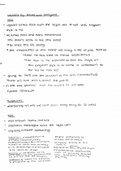
Digital inequality
Definition 1: difference between groups in terms of who benefits and who does not from
the use of digital technologies
Definition 2: differences in power between and among individuals/groups/communities
and institutions in terms of who benefits and who is harmed by the use of digital
technologies.
- Both definitions capture important dimensions of digital inequality
Digital inclusion
Definition 1: the activities necessary to ensure that all individuals and communities,
including the most disadvantaged, have access to and use of information and
communication technologies.
Definition 2: the activities - including efforts by the disadvantaged
individuals/communities themselves - necessary to ensure all individuals and
communities, including the most disadvantaged, have access to and use information and
communication technologies.
Digital divide = the gap between people who have access to modern information and
communications technology and those who don't.
From one to multiple divides
, DIGITAL INEQUALITY
ADVERSE DIGITAL INCORPORATION
,Relevant actors:
Individuals, personal networks, community, government, businesses
Lecture 2 - Frameworks and background (Jan 31, 2026)
Traditional digital inequality framework
-> differences in population with access and no access to network
, Digital divide to inequality: Brief history
1. The access divide (1990s-2000s)
Who has access and who doesn’t
Spread of digital technologies <-> socioeconomic inequality
Digital access divide
Back in the 90s and early 2000s, not everyone had access to the internet.
The spread of digital technologies brought socioeconomic inequality and vice
versa.
2. From divide to divides (early 2000s onward)
Spread of digital technologies -> socioeconomic inequality
Who has the skills, access, use, and motivation, and who doesn’t.
From the 2000s onward, more and more people had access to the internet. The
divide there lied not only on who had access to the internet, but also who has the
skills, use and motivation.
3. Expanding the model: ‘offline’ factors & outcomes (2010s)
Terms:
Digital inequality
Definition 1: difference between groups in terms of who benefits and who does not from
the use of digital technologies
Definition 2: differences in power between and among individuals/groups/communities
and institutions in terms of who benefits and who is harmed by the use of digital
technologies.
- Both definitions capture important dimensions of digital inequality
Digital inclusion
Definition 1: the activities necessary to ensure that all individuals and communities,
including the most disadvantaged, have access to and use of information and
communication technologies.
Definition 2: the activities - including efforts by the disadvantaged
individuals/communities themselves - necessary to ensure all individuals and
communities, including the most disadvantaged, have access to and use information and
communication technologies.
Digital divide = the gap between people who have access to modern information and
communications technology and those who don't.
From one to multiple divides
, DIGITAL INEQUALITY
ADVERSE DIGITAL INCORPORATION
,Relevant actors:
Individuals, personal networks, community, government, businesses
Lecture 2 - Frameworks and background (Jan 31, 2026)
Traditional digital inequality framework
-> differences in population with access and no access to network
, Digital divide to inequality: Brief history
1. The access divide (1990s-2000s)
Who has access and who doesn’t
Spread of digital technologies <-> socioeconomic inequality
Digital access divide
Back in the 90s and early 2000s, not everyone had access to the internet.
The spread of digital technologies brought socioeconomic inequality and vice
versa.
2. From divide to divides (early 2000s onward)
Spread of digital technologies -> socioeconomic inequality
Who has the skills, access, use, and motivation, and who doesn’t.
From the 2000s onward, more and more people had access to the internet. The
divide there lied not only on who had access to the internet, but also who has the
skills, use and motivation.
3. Expanding the model: ‘offline’ factors & outcomes (2010s)