Planning
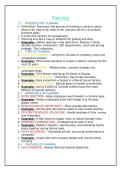
5.1 INTRODUCTION: PLANNING
Definition: Planning is the process of thinking in advance about
what to do, how to do, when to do, and who will do it to achieve
business goals.
It is the first function of management.
Planning acts like a map or blueprint for guiding activities.
Example:-- Before opening a new retail store, Reliance Trends
decides location, investment, staff requirements, stock and pricing
strategy. This is planning.
5.2 TYPES OF PLANNING
1. STRATEGIC PLANNING – Long-term, focuses on company vision and
competitive position.
o Example:- TATA Group deciding to invest in electric vehicles for the
next 10 years
2. TACTICAL PLANNING – Medium-term, converts strategy into
actionable steps.
o Example:- TATA Motors setting up EV plants in Gujarat.
3. OPERATIONAL PLANNING – Short-term, day-to-day activities.
o Example:- Daily production schedule in a Maruti Suzuki factory.
4. CONTINGENCY PLANNING – Backup plans to handle uncertainties.
o Example:- During COVID-19, Zomato shifted focus from food
delivery to grocery delivery.
5.3 IMPORTANCE OF PLANNING
1. GIVES DIRECTION - Helps employees work towards a common goal.
o Example:- Infosys employees know their target is to increase
global clients.
2. REDUCES RISK OF UNCERTAINTY – Plans provide alternatives.
o Example:- Airlines plan alternative routes in case of bad weather.
3. EFFICIENT RESOURCE UTILISATION – Avoids wastage of time, money
and manpower.
o Example:- D Mart plans its supply chain to reduce storage costs.
4. IMPROVES COORDINATION – All departments work in sync.
o Example:- Flipkart’s logistics, warehousing, and marketing teams
plans together during festive sales.
5. HELPS IN CONTROL – Standards are set, and actual performance is
compared.
o Example:- A bank sets loan recovery targets and checks actual
recovery.
5.4 FEATURES OF PLANNING
1. GOAL-ORIENTED – Always directed towards objectives.
5.1 INTRODUCTION: PLANNING
Definition: Planning is the process of thinking in advance about
what to do, how to do, when to do, and who will do it to achieve
business goals.
It is the first function of management.
Planning acts like a map or blueprint for guiding activities.
Example:-- Before opening a new retail store, Reliance Trends
decides location, investment, staff requirements, stock and pricing
strategy. This is planning.
5.2 TYPES OF PLANNING
1. STRATEGIC PLANNING – Long-term, focuses on company vision and
competitive position.
o Example:- TATA Group deciding to invest in electric vehicles for the
next 10 years
2. TACTICAL PLANNING – Medium-term, converts strategy into
actionable steps.
o Example:- TATA Motors setting up EV plants in Gujarat.
3. OPERATIONAL PLANNING – Short-term, day-to-day activities.
o Example:- Daily production schedule in a Maruti Suzuki factory.
4. CONTINGENCY PLANNING – Backup plans to handle uncertainties.
o Example:- During COVID-19, Zomato shifted focus from food
delivery to grocery delivery.
5.3 IMPORTANCE OF PLANNING
1. GIVES DIRECTION - Helps employees work towards a common goal.
o Example:- Infosys employees know their target is to increase
global clients.
2. REDUCES RISK OF UNCERTAINTY – Plans provide alternatives.
o Example:- Airlines plan alternative routes in case of bad weather.
3. EFFICIENT RESOURCE UTILISATION – Avoids wastage of time, money
and manpower.
o Example:- D Mart plans its supply chain to reduce storage costs.
4. IMPROVES COORDINATION – All departments work in sync.
o Example:- Flipkart’s logistics, warehousing, and marketing teams
plans together during festive sales.
5. HELPS IN CONTROL – Standards are set, and actual performance is
compared.
o Example:- A bank sets loan recovery targets and checks actual
recovery.
5.4 FEATURES OF PLANNING
1. GOAL-ORIENTED – Always directed towards objectives.