Reproduction, the genome and gene expression
Sexual reproduction
Sexual reproduction involves the joining of two sex cells, or gametes during fertilisation. Organisms
produced by sexual reproduction have two parents and are genetically similar to both but not
identical to either.
Asexual reproduction only involves one parent so there is no joining of sex cells during fertilisation.
Organisms produced by asexual reproduction are genetically identical to each other and their
parent. They are clones.
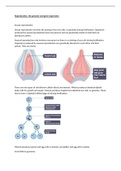
There are two types of cell division called mitosis and meiosis. Mitosis produces identical diploid
body cells for growth and repair. Meiosis produces haploid non-identical sex cells, or gametes. These
fuse to form a diploid fertilised egg cell during fertilisation.
Meiosis produces sperm and egg cells in animals, and pollen and egg cells in plants.
From DNA to genomes
Sexual reproduction
Sexual reproduction involves the joining of two sex cells, or gametes during fertilisation. Organisms
produced by sexual reproduction have two parents and are genetically similar to both but not
identical to either.
Asexual reproduction only involves one parent so there is no joining of sex cells during fertilisation.
Organisms produced by asexual reproduction are genetically identical to each other and their
parent. They are clones.
There are two types of cell division called mitosis and meiosis. Mitosis produces identical diploid
body cells for growth and repair. Meiosis produces haploid non-identical sex cells, or gametes. These
fuse to form a diploid fertilised egg cell during fertilisation.
Meiosis produces sperm and egg cells in animals, and pollen and egg cells in plants.
From DNA to genomes