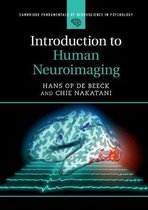
Samenvatting Boek Introduction to Human Neuroimaging
en Hoorcolleges Cognitieve Neuropsychologie
Inhoudsopgave
Hoorcollege 1 – Introduction ............................................................................................................................ 4
Chapter 1 – introduction and overview (HC1) .................................................................................................... 4
1.1. Brain Enthusiasm: the relevance of distinguishing fact from fiction ...................................................... 4
1.2. The Basis of Neural Signals ..................................................................................................................... 4
1.3. A short overview of methods in Human Neuroscience .......................................................................... 7
Not in the book: Peripheral measures ........................................................................................................... 9
Hoorcollege 2 – EEG/ERP .................................................................................................................................. 9
Chapter 9 – Electromagnetic field of the Brain (HC2) ......................................................................................... 9
9.1. Electrophysiological activity of the brain .............................................................................................. 11
9.2. Electromagnetic field signals ................................................................................................................ 13
9.3. Brain Dynamics versus Mind Dynamics ................................................................................................ 15
Chapter 10 – Electroencephalography and magnetoencephalography (HC2) ................................................. 15
10.1. Electroencephalography (EEG) ........................................................................................................... 15
10.2. Magnetoencephalography (MEG) ...................................................................................................... 19
Hoorcollege 3 – MRI ....................................................................................................................................... 24
Chapter 2 – The Physics behind Magnetic Resonance Imaging (MRI) .............................................................. 24
2.1. The Effect of Magnetic Fields on the Human Body .............................................................................. 24
2.2 From Resonance to Imaging .................................................................................................................. 25
2.3. How do these physical principles give rise to an image with anatomical structure? ........................... 27
Chapter 3 – Structural Imaging Methods ......................................................................................................... 31
3.1. Structural T1-weighted MRI.................................................................................................................. 31
3.2. Diffusion Tensor Imaging (DTI) ............................................................................................................. 32
Hoorcollege 4 – MRS/fMRI ............................................................................................................................. 34
Chapter 3 – Structural Imaging Methods ......................................................................................................... 34
3.3. Magnetic Resonance Spectroscopy (MRS) ........................................................................................... 34
Chapter 4 – Hemodynamic Imaging Methods .................................................................................................. 35
4.1. Hemodynamics and its relationship to neural activity ......................................................................... 35
4.2. Functional Magnetic Resonance Imaging (fMRI) .................................................................................. 38
Chapter 5 - Designing a hemodynamic imaging experiment ........................................................................... 40
5.1. Which conditions to include: The Subtraction method ........................................................................ 40
Hoorcollege 5 – fMRI experiment/analyses .................................................................................................... 42
Chapter 5 - Designing a hemodynamic imaging experiment (HC5) .................................................................. 42
5.2. How to present the conditions: The Block design ................................................................................ 42
5.4. The Event-Related Design ..................................................................................................................... 44
5.5. The Baseline or Rest Condition ............................................................................................................. 45
Chapter 8 - Advanced Statistical Analyses ........................................................................................................ 45
8.1 Functional Connectivity: Designs and Analyses ..................................................................................... 45
8.2. Multi-voxel pattern analyses ................................................................................................................ 48
8.3. Functional MRI Adaptation ................................................................................................................... 50
1
,Hoorcollege 6 – fNIRS Neurotransmitters ....................................................................................................... 51
Chapter 4 – Hemodynamics and its relationship to neural activity .................................................................. 51
4.3. Positron Emission Tomography (PET) .................................................................................................. 51
Alleen in college: Single-Photon Emission Computed Tomography (=SPECT) ............................................. 53
4.4. Functional Near-Infrared Spectroscopy (fNIRS) .................................................................................... 54
Hoorcollege 7 – Causal Methods .................................................................................................................... 56
Chapter 14 – Causal Methods to modulate Brain Activity................................................................................ 56
14.1. Microstimulation and Deep Brain Stimulation ................................................................................... 57
14.2. Focus Ultrasound Stimulation (FUS) ................................................................................................... 59
14.3. Transcranial Magnetic Stimulation (TMS) .......................................................................................... 60
14.4. Transcranial Current Stimulation (TCS) .............................................................................................. 62
Box 14 – Ethical concerns related to noninvasive neuromodulation .......................................................... 63
Clinical Groups .................................................................................................................................................. 63
Laesie studies............................................................................................................................................... 63
Pharmacological interventions .................................................................................................................... 65
Hoorcollege 8 – Animal Studies ...................................................................................................................... 65
HC8.1 Anatomy................................................................................................................................................. 65
HC8.2 – Lesions and pharmacological manipulations ...................................................................................... 66
HC8.3 Recording Neural activity ....................................................................................................................... 67
HC8.4 - Dieren................................................................................................................................................... 68
Hoorcollege 9 – Brainsurgery ......................................................................................................................... 69
HC 9.1. - Clinical imaging tools ......................................................................................................................... 69
HC 9.2. - Hersentumoren .................................................................................................................................. 70
HC 9.3. - Electrical stimulation of the brain ...................................................................................................... 71
HC 9.4. - New- & non-invasive techniques:....................................................................................................... 71
HC 9.5. - Exploring new tracts for neurosurgical purpose: ............................................................................... 72
Hoorcollege 10 – ERP/EEG analyses ............................................................................................................... 72
Chapter 11 – Basic Analyses of Electrophysiological Signals ............................................................................ 72
11.1. Preprocessing ..................................................................................................................................... 72
11.2. Main Signal Processing ....................................................................................................................... 78
11.3. Statistical Tests ................................................................................................................................... 80
Data driven benadering voor het ontdekken van verschillen tussen ERPs (niet in het boek) ........................... 80
Data-analyse van EEG: Frequentiedomein Fourier Transformatie ................................................................... 81
Data-analyse EEG: Tijdfrequentie domein – short time Fourier Transformation (STFT) en wavelets .............. 83
Hoorcollege 11 – Genetics and Computational Modeling ............................................................................... 84
HC 11.1. – Imaging Genetics............................................................................................................................. 84
HC 11.2. – Computational Modeling ................................................................................................................ 87
Hoorcollege 12 – Multimodal Imaging ............................................................................................................ 88
Chapter 13 – Multi-modal Imaging .................................................................................................................. 88
13.2. Simultaneous Application of EEG and fMRI ........................................................................................ 89
13.4. Differentiating between Representational Access Theories of Disorders .......................................... 91
13.5. Clinical Diagnostics with Multi-Modal Imaging .................................................................................. 92
2
, Chapter 7 – Basic Statistical Analyses .............................................................................................................. 92
7.2.2. Correction for Multiple Comparisons, or How to Avoid Brain Activity in Dead Salmon .................... 92
7.2.5. Another Statistical Caveat: Double Dipping and Circular Analyses ................................................... 93
Hoorcollege 13 – Inhibitory Control................................................................................................................ 94
HC 13.1. EEG & The Stroop Effect ..................................................................................................................... 94
HC 13.2 – fMRI en Stroop effect ....................................................................................................................... 97
3
, Hoorcollege 1 – Introduction
Leesmateriaal: Chapter 1
Chapter 1 – introduction and overview (HC1)
History
• Since 1930 EEG has emerged
• 1970: clinical radiology has radiographic methods such as computerized tomography
• 1980-1990: PET & fMRI were developed
• 1990-2000: decade of the Brain which emerged out of the invention of PET & fMRI.
1.1. Brain Enthusiasm: the relevance of distinguishing fact from fiction
Staat zowel in boek als in college dus goed begrijpen.
It is important to know that brain scans are of great value but are not the main assessor of
someone’s personality, crimes etc.
Even though brain scans and imaging are great developed, it is not (yet) the everyday
diagnosis of psychiatric and mental syndromes such as depression, autism, schizo.
De kracht van de naam ‘neuro-‘ is erg hoog. Waardoor men het sneller gelooft. Er was een
onderzoek gedaan met haardroger die vertelde dat dit “neuroimaging” apparaat gedachte
kon voorspellen. Hierbij stond de naam neuro bij het apparaat, daardoor geloofden de
deelnemers echt allemaal dat die machine daadwerkelijk de gedachten konden lezen. (Dit
waren gewoon psychologie studenten dus die zouden beter moeten weten)
Er bestaat nu ook al een methode waarbij men met 80% accuraatheid kan zeggen of iemand
op een crime scene geweest is. Dit wordt nog niet gebruikt omdat het 100% betrouwbaar
moet zijn.
Neuroskepticism and neuroscience, two main causes of skepticism:
• Brain imaging only informs us about where mental functions are in the brain. But
they don’t know that only is about phrenology and localization which is in the past.
• The words ‘brain’ and ‘neuro’ are being used as a way to sell your article to the press
because it is appealing.
1.2. The Basis of Neural Signals
Grey matter: cell bodies of neurons. The cerebral cortex is a sheet of gray matter and thus
contains cell bodies.
White matter: a combination of long axons together. Long axons where neurons connect
with long distance neurons. Underneath the cortex, white matter takes up in larger volume.
Communicatie:
A neuron receives input via a chemical substance referred to as a neurotransmitter. The
neurotransmitter can have an inhibitory as well as an excitatory effect on the neuron which
result in depolarization (potential difference less negative, influx K+) or hyperpolarization
(potential difference more negative). Repolarization (efflux K+). Changes in potential
4
en Hoorcolleges Cognitieve Neuropsychologie
Inhoudsopgave
Hoorcollege 1 – Introduction ............................................................................................................................ 4
Chapter 1 – introduction and overview (HC1) .................................................................................................... 4
1.1. Brain Enthusiasm: the relevance of distinguishing fact from fiction ...................................................... 4
1.2. The Basis of Neural Signals ..................................................................................................................... 4
1.3. A short overview of methods in Human Neuroscience .......................................................................... 7
Not in the book: Peripheral measures ........................................................................................................... 9
Hoorcollege 2 – EEG/ERP .................................................................................................................................. 9
Chapter 9 – Electromagnetic field of the Brain (HC2) ......................................................................................... 9
9.1. Electrophysiological activity of the brain .............................................................................................. 11
9.2. Electromagnetic field signals ................................................................................................................ 13
9.3. Brain Dynamics versus Mind Dynamics ................................................................................................ 15
Chapter 10 – Electroencephalography and magnetoencephalography (HC2) ................................................. 15
10.1. Electroencephalography (EEG) ........................................................................................................... 15
10.2. Magnetoencephalography (MEG) ...................................................................................................... 19
Hoorcollege 3 – MRI ....................................................................................................................................... 24
Chapter 2 – The Physics behind Magnetic Resonance Imaging (MRI) .............................................................. 24
2.1. The Effect of Magnetic Fields on the Human Body .............................................................................. 24
2.2 From Resonance to Imaging .................................................................................................................. 25
2.3. How do these physical principles give rise to an image with anatomical structure? ........................... 27
Chapter 3 – Structural Imaging Methods ......................................................................................................... 31
3.1. Structural T1-weighted MRI.................................................................................................................. 31
3.2. Diffusion Tensor Imaging (DTI) ............................................................................................................. 32
Hoorcollege 4 – MRS/fMRI ............................................................................................................................. 34
Chapter 3 – Structural Imaging Methods ......................................................................................................... 34
3.3. Magnetic Resonance Spectroscopy (MRS) ........................................................................................... 34
Chapter 4 – Hemodynamic Imaging Methods .................................................................................................. 35
4.1. Hemodynamics and its relationship to neural activity ......................................................................... 35
4.2. Functional Magnetic Resonance Imaging (fMRI) .................................................................................. 38
Chapter 5 - Designing a hemodynamic imaging experiment ........................................................................... 40
5.1. Which conditions to include: The Subtraction method ........................................................................ 40
Hoorcollege 5 – fMRI experiment/analyses .................................................................................................... 42
Chapter 5 - Designing a hemodynamic imaging experiment (HC5) .................................................................. 42
5.2. How to present the conditions: The Block design ................................................................................ 42
5.4. The Event-Related Design ..................................................................................................................... 44
5.5. The Baseline or Rest Condition ............................................................................................................. 45
Chapter 8 - Advanced Statistical Analyses ........................................................................................................ 45
8.1 Functional Connectivity: Designs and Analyses ..................................................................................... 45
8.2. Multi-voxel pattern analyses ................................................................................................................ 48
8.3. Functional MRI Adaptation ................................................................................................................... 50
1
,Hoorcollege 6 – fNIRS Neurotransmitters ....................................................................................................... 51
Chapter 4 – Hemodynamics and its relationship to neural activity .................................................................. 51
4.3. Positron Emission Tomography (PET) .................................................................................................. 51
Alleen in college: Single-Photon Emission Computed Tomography (=SPECT) ............................................. 53
4.4. Functional Near-Infrared Spectroscopy (fNIRS) .................................................................................... 54
Hoorcollege 7 – Causal Methods .................................................................................................................... 56
Chapter 14 – Causal Methods to modulate Brain Activity................................................................................ 56
14.1. Microstimulation and Deep Brain Stimulation ................................................................................... 57
14.2. Focus Ultrasound Stimulation (FUS) ................................................................................................... 59
14.3. Transcranial Magnetic Stimulation (TMS) .......................................................................................... 60
14.4. Transcranial Current Stimulation (TCS) .............................................................................................. 62
Box 14 – Ethical concerns related to noninvasive neuromodulation .......................................................... 63
Clinical Groups .................................................................................................................................................. 63
Laesie studies............................................................................................................................................... 63
Pharmacological interventions .................................................................................................................... 65
Hoorcollege 8 – Animal Studies ...................................................................................................................... 65
HC8.1 Anatomy................................................................................................................................................. 65
HC8.2 – Lesions and pharmacological manipulations ...................................................................................... 66
HC8.3 Recording Neural activity ....................................................................................................................... 67
HC8.4 - Dieren................................................................................................................................................... 68
Hoorcollege 9 – Brainsurgery ......................................................................................................................... 69
HC 9.1. - Clinical imaging tools ......................................................................................................................... 69
HC 9.2. - Hersentumoren .................................................................................................................................. 70
HC 9.3. - Electrical stimulation of the brain ...................................................................................................... 71
HC 9.4. - New- & non-invasive techniques:....................................................................................................... 71
HC 9.5. - Exploring new tracts for neurosurgical purpose: ............................................................................... 72
Hoorcollege 10 – ERP/EEG analyses ............................................................................................................... 72
Chapter 11 – Basic Analyses of Electrophysiological Signals ............................................................................ 72
11.1. Preprocessing ..................................................................................................................................... 72
11.2. Main Signal Processing ....................................................................................................................... 78
11.3. Statistical Tests ................................................................................................................................... 80
Data driven benadering voor het ontdekken van verschillen tussen ERPs (niet in het boek) ........................... 80
Data-analyse van EEG: Frequentiedomein Fourier Transformatie ................................................................... 81
Data-analyse EEG: Tijdfrequentie domein – short time Fourier Transformation (STFT) en wavelets .............. 83
Hoorcollege 11 – Genetics and Computational Modeling ............................................................................... 84
HC 11.1. – Imaging Genetics............................................................................................................................. 84
HC 11.2. – Computational Modeling ................................................................................................................ 87
Hoorcollege 12 – Multimodal Imaging ............................................................................................................ 88
Chapter 13 – Multi-modal Imaging .................................................................................................................. 88
13.2. Simultaneous Application of EEG and fMRI ........................................................................................ 89
13.4. Differentiating between Representational Access Theories of Disorders .......................................... 91
13.5. Clinical Diagnostics with Multi-Modal Imaging .................................................................................. 92
2
, Chapter 7 – Basic Statistical Analyses .............................................................................................................. 92
7.2.2. Correction for Multiple Comparisons, or How to Avoid Brain Activity in Dead Salmon .................... 92
7.2.5. Another Statistical Caveat: Double Dipping and Circular Analyses ................................................... 93
Hoorcollege 13 – Inhibitory Control................................................................................................................ 94
HC 13.1. EEG & The Stroop Effect ..................................................................................................................... 94
HC 13.2 – fMRI en Stroop effect ....................................................................................................................... 97
3
, Hoorcollege 1 – Introduction
Leesmateriaal: Chapter 1
Chapter 1 – introduction and overview (HC1)
History
• Since 1930 EEG has emerged
• 1970: clinical radiology has radiographic methods such as computerized tomography
• 1980-1990: PET & fMRI were developed
• 1990-2000: decade of the Brain which emerged out of the invention of PET & fMRI.
1.1. Brain Enthusiasm: the relevance of distinguishing fact from fiction
Staat zowel in boek als in college dus goed begrijpen.
It is important to know that brain scans are of great value but are not the main assessor of
someone’s personality, crimes etc.
Even though brain scans and imaging are great developed, it is not (yet) the everyday
diagnosis of psychiatric and mental syndromes such as depression, autism, schizo.
De kracht van de naam ‘neuro-‘ is erg hoog. Waardoor men het sneller gelooft. Er was een
onderzoek gedaan met haardroger die vertelde dat dit “neuroimaging” apparaat gedachte
kon voorspellen. Hierbij stond de naam neuro bij het apparaat, daardoor geloofden de
deelnemers echt allemaal dat die machine daadwerkelijk de gedachten konden lezen. (Dit
waren gewoon psychologie studenten dus die zouden beter moeten weten)
Er bestaat nu ook al een methode waarbij men met 80% accuraatheid kan zeggen of iemand
op een crime scene geweest is. Dit wordt nog niet gebruikt omdat het 100% betrouwbaar
moet zijn.
Neuroskepticism and neuroscience, two main causes of skepticism:
• Brain imaging only informs us about where mental functions are in the brain. But
they don’t know that only is about phrenology and localization which is in the past.
• The words ‘brain’ and ‘neuro’ are being used as a way to sell your article to the press
because it is appealing.
1.2. The Basis of Neural Signals
Grey matter: cell bodies of neurons. The cerebral cortex is a sheet of gray matter and thus
contains cell bodies.
White matter: a combination of long axons together. Long axons where neurons connect
with long distance neurons. Underneath the cortex, white matter takes up in larger volume.
Communicatie:
A neuron receives input via a chemical substance referred to as a neurotransmitter. The
neurotransmitter can have an inhibitory as well as an excitatory effect on the neuron which
result in depolarization (potential difference less negative, influx K+) or hyperpolarization
(potential difference more negative). Repolarization (efflux K+). Changes in potential
4