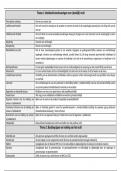
, PLEASE USE THIS DOCUMENT AS A GUIDE TO ANSWER YOUR ASSIGNMENT
1. In terms of the Legal Practice Act, which document must attorneys practising on their own
account or in partnership possess to be entitled to practise?
In terms of the Legal Practice Act, attorneys practising on their own account or in partnership must
be in possession of a fidelity fund certificate.
2. Discuss the competence and diligence expected under the specific ethical guidelines that a
paralegal must consider and apply in the workplace.
Under the ethical guidelines, a paralegal is expected to demonstrate competence and diligence in the
workplace. These guidelines include the following key principles:
Competence: Paralegals must have a solid understanding of the legal processes and procedures
to support attorneys effectively. Their role often involves assisting in preparing legal
documents, conducting research, and managing cases under supervision . Paralegals should
also ensure they do not perform tasks reserved for legal professionals, such as representing
clients in court .
Diligence: Paralegals are expected to be thorough and accurate in their work. This includes
maintaining detailed records, meeting deadlines, and ensuring that all work complies with legal
and ethical standards. Diligence also extends to ensuring that clients' interests are safeguarded,
particularly when dealing with sensitive information or trust funds.
Confidentiality and Integrity: Paralegals must uphold the confidentiality of client information
and handle legal matters with the highest level of integrity. They must also avoid any
appearance of impropriety, including not soliciting clients or engaging in activities reserved for
attorneys .
Supervision: As paralegals work under the supervision of an attorney, they must adhere to the
guidance and instructions provided by the attorney while carrying out their duties .
In summary, a paralegal's competence and diligence are critical in ensuring the effective functioning
of a law firm and maintaining the integrity of the legal profession .
1. In terms of the Legal Practice Act, which document must attorneys practising on their own
account or in partnership possess to be entitled to practise?
In terms of the Legal Practice Act, attorneys practising on their own account or in partnership must
be in possession of a fidelity fund certificate.
2. Discuss the competence and diligence expected under the specific ethical guidelines that a
paralegal must consider and apply in the workplace.
Under the ethical guidelines, a paralegal is expected to demonstrate competence and diligence in the
workplace. These guidelines include the following key principles:
Competence: Paralegals must have a solid understanding of the legal processes and procedures
to support attorneys effectively. Their role often involves assisting in preparing legal
documents, conducting research, and managing cases under supervision . Paralegals should
also ensure they do not perform tasks reserved for legal professionals, such as representing
clients in court .
Diligence: Paralegals are expected to be thorough and accurate in their work. This includes
maintaining detailed records, meeting deadlines, and ensuring that all work complies with legal
and ethical standards. Diligence also extends to ensuring that clients' interests are safeguarded,
particularly when dealing with sensitive information or trust funds.
Confidentiality and Integrity: Paralegals must uphold the confidentiality of client information
and handle legal matters with the highest level of integrity. They must also avoid any
appearance of impropriety, including not soliciting clients or engaging in activities reserved for
attorneys .
Supervision: As paralegals work under the supervision of an attorney, they must adhere to the
guidance and instructions provided by the attorney while carrying out their duties .
In summary, a paralegal's competence and diligence are critical in ensuring the effective functioning
of a law firm and maintaining the integrity of the legal profession .