ASSIGNMENT 1 Supply Chain Management 3 SUPMNGT_3
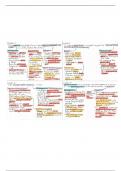
Question 1 - Draw a diagram showing the supply chain configuration of Tehindo. It must show the
flow of products and information within the supply chain.
Tehindo Tea Corp.
Suppliers Manufacturing and plants Regional sales centres Warehouses Sales
consumers
wholesaler
Retailers
Consumers
Distribution wholesaler Retailers
Tea leaves Water,
Retailers
Consumers sugar and
fruit extract
Consumers
Question 1.2 – Competitive advantages of Tehindo
The sales centre can supply directly to consumers, retailers, wholesales and distributors. As this is
direct sales, they do not have to a high margin on the product therefore making it affordable to
consumers. This refers to the factors that allow companies to produce cheaper and better quality
that its competition. These factors can allow for the business to allow for the business to generate
more sales on bigger margins compared to other companies. They are able to outperform rival
companies. Another advantage is only a few materials are needed therefore cost effective. The
company is in charge of pricing for their products. Another advantage is there is not a third party
involved thereby saving on costs for the business.
Question 2
2.1 – Goteh range has low and high variety causing problems in the manufacturing plant.
- How the purchasing department can help to improve the competitiveness of this range …..
Purchasing departments are all at the centre of a successful supply chain management. The
purchasing department Identifies the needs, they manage the process and source lower prices for
production. They essentially are the controllers that ensure adherence to the budgets set by the
business. Lower costs are essential for purchasing departments to source on a regular basis by
finding specials on necessary products. Reduce risk – ensure your suppliers are able to meet your
requirements and deliver on time so there is no delay in production. Have a good relationship with
your suppliers to ensure a long- term relationship with them. By purchasing good quality stock the
company will benefit by selling their products as they will be in high demand. The purchasing
department must identify technology solutions to maintain any supply chain problems. Control of
Inventory is required to improve efficiency in the supply chain management.
, 2.2 - The company owns some tea plantations. This strategy is called backward integration. Explain
the benefits of backward integration to Tehindo compared to outsourcing.
Backward integration is a form of vertical Integration where companies expand the role to
accomplish tasks that were previously by companies up in the supply chain – they often complete
backward integration by either purchasing or combining with these undertakings. By outsourcing
Tehindo can focus more on the core of the business or any other business aspects. There will be
more flexibility if they work with a third party therefore various resources become flexible. The third
party will also handle distribution and supply so the business can focus on its efforts in core activities
to run.
Question 3 - Discuss the strategic importance of CRM. Describe how information is used to create
customer satisfaction and greater profits for the organisation
3.1 - To maintain good relationship with its customers, Tehindo notified its distributors of price
increases in advance, unlike its competitors. Based on the information given in the case study,
infer the value Tehindo can derive from implementing customer relationship management (CRM).
CRM strategy is imperative to consumers getting the goods they want and also finding new
customers if it is used effectively. Put the consumers first to build a profitable and long-term
relationship with them, therefore customers will continue to support your business. Define your
customers needs to increase customer value, this will keep your customers supporting your
business. The business needs to care and understand customers to be successful by implementing
the CRM strategy. You can use strategies like reward cards whereby customers receive discounts on
certain goods that they purchase.
3.2 - As part of Tehindo management, relate CRM trends that the company must keep track of, to
optimise the value you get from your customers.
Personalized: every customer wants to know that you are listening to what they need and expect.
Reach out to your customers to ensure they are happy with the service provided by your business
and staff. Train employees to deal with customers queries in a friendly manner and assist clients as
quickly as possible, listen and act on customers complaints, therefore you will be helping your
business not having the same problem again. Use social media to market your products. Have fast
response time and helpful answers to clients. Use multiple social media platforms for example:
Instagram, Facebook and online shopping. Clients will continue to support you if you implement
CRM strategy correctly.
Question 4 - Learning outcomes: Discuss and compare the major elements of lean and Six Sigma.
Describe the various tools of Six Sigma.
Question 1 - Draw a diagram showing the supply chain configuration of Tehindo. It must show the
flow of products and information within the supply chain.
Tehindo Tea Corp.
Suppliers Manufacturing and plants Regional sales centres Warehouses Sales
consumers
wholesaler
Retailers
Consumers
Distribution wholesaler Retailers
Tea leaves Water,
Retailers
Consumers sugar and
fruit extract
Consumers
Question 1.2 – Competitive advantages of Tehindo
The sales centre can supply directly to consumers, retailers, wholesales and distributors. As this is
direct sales, they do not have to a high margin on the product therefore making it affordable to
consumers. This refers to the factors that allow companies to produce cheaper and better quality
that its competition. These factors can allow for the business to allow for the business to generate
more sales on bigger margins compared to other companies. They are able to outperform rival
companies. Another advantage is only a few materials are needed therefore cost effective. The
company is in charge of pricing for their products. Another advantage is there is not a third party
involved thereby saving on costs for the business.
Question 2
2.1 – Goteh range has low and high variety causing problems in the manufacturing plant.
- How the purchasing department can help to improve the competitiveness of this range …..
Purchasing departments are all at the centre of a successful supply chain management. The
purchasing department Identifies the needs, they manage the process and source lower prices for
production. They essentially are the controllers that ensure adherence to the budgets set by the
business. Lower costs are essential for purchasing departments to source on a regular basis by
finding specials on necessary products. Reduce risk – ensure your suppliers are able to meet your
requirements and deliver on time so there is no delay in production. Have a good relationship with
your suppliers to ensure a long- term relationship with them. By purchasing good quality stock the
company will benefit by selling their products as they will be in high demand. The purchasing
department must identify technology solutions to maintain any supply chain problems. Control of
Inventory is required to improve efficiency in the supply chain management.
, 2.2 - The company owns some tea plantations. This strategy is called backward integration. Explain
the benefits of backward integration to Tehindo compared to outsourcing.
Backward integration is a form of vertical Integration where companies expand the role to
accomplish tasks that were previously by companies up in the supply chain – they often complete
backward integration by either purchasing or combining with these undertakings. By outsourcing
Tehindo can focus more on the core of the business or any other business aspects. There will be
more flexibility if they work with a third party therefore various resources become flexible. The third
party will also handle distribution and supply so the business can focus on its efforts in core activities
to run.
Question 3 - Discuss the strategic importance of CRM. Describe how information is used to create
customer satisfaction and greater profits for the organisation
3.1 - To maintain good relationship with its customers, Tehindo notified its distributors of price
increases in advance, unlike its competitors. Based on the information given in the case study,
infer the value Tehindo can derive from implementing customer relationship management (CRM).
CRM strategy is imperative to consumers getting the goods they want and also finding new
customers if it is used effectively. Put the consumers first to build a profitable and long-term
relationship with them, therefore customers will continue to support your business. Define your
customers needs to increase customer value, this will keep your customers supporting your
business. The business needs to care and understand customers to be successful by implementing
the CRM strategy. You can use strategies like reward cards whereby customers receive discounts on
certain goods that they purchase.
3.2 - As part of Tehindo management, relate CRM trends that the company must keep track of, to
optimise the value you get from your customers.
Personalized: every customer wants to know that you are listening to what they need and expect.
Reach out to your customers to ensure they are happy with the service provided by your business
and staff. Train employees to deal with customers queries in a friendly manner and assist clients as
quickly as possible, listen and act on customers complaints, therefore you will be helping your
business not having the same problem again. Use social media to market your products. Have fast
response time and helpful answers to clients. Use multiple social media platforms for example:
Instagram, Facebook and online shopping. Clients will continue to support you if you implement
CRM strategy correctly.
Question 4 - Learning outcomes: Discuss and compare the major elements of lean and Six Sigma.
Describe the various tools of Six Sigma.