Stealing by Carol Ann Duffy 2026
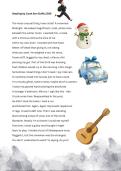
The most unusual thing I ever stole? A snowman.
Midnight. He looked magnificent; a tall, white mute
beneath the winter moon. I wanted him, a mate
with a mind as cold as the slice of ice
within my own brain. I started with the head.
Better off dead than giving in, not taking
what you want. He weighed a ton; his torso,
frozen stiff, hugged to my chest, a fierce chill
piercing my gut. Part of the thrill was knowing
that children would cry in the morning. Life's tough.
Sometimes I steal things I don't need. I joy-ride cars
to nowhere, break into houses just to have a look.
I'm a mucky ghost, leave a mess, maybe pinch a camera.
I watch my gloved hand twisting the doorknob.
A stranger's bedroom. Mirrors. I sigh like this - Aah.
It took some time. Reassembled in the yard,
he didn't look the same. I took a run
and booted him. Again. Again. My breath ripped out
in rags. It seems daft now. Then I was standing
alone among lumps of snow, sick of the world.
Boredom. Mostly I'm so bored I could eat myself.
One time, I stole a guitar and thought I might
learn to play. I nicked a bust of Shakespeare once,
flogged it, but the snowman was the strangest.
You don't understand a word I'm saying, do you?
, The opening immediately surprises the reader and
establishes a conversational, confessional tone.
The most unusual thing I The unexpected object creates dark humour while
ever stole? A snowman. hinting at the speaker’s abnormal mindset, drawing
attention to themes of boredom, impulse, and
moral detachment from the very start.
The timing and visual description create a striking,
Midnight. He looked almost reverent image, suggesting awe.
The silence and whiteness imply innocence and
magnificent; a tall, white purity, which contrasts sharply with the speaker’s
mute later actions, foreshadowing the destruction of
something beautiful and harmless.
The line suggests loneliness and emotional
isolation.
The cold, silent night reflects the speaker’s inner
beneath the winter moon. I
emptiness, while the desire for companionship is
wanted him, a mate distorted, showing a need for connection that is
unhealthy and rooted in obsession rather than
genuine human warmth.
This simile shows the speaker’s emotional coldness
and lack of empathy.
with a mind as cold as the It suggests a mind that is hard, unfeeling, and
slice of ice detached from others, reinforcing the idea that the
speaker is numb to morality, guilt, and the
consequences of their actions.
The speaker suggests their thoughts are
emotionally cold and disconnected, mirroring the
snowman.
within my own brain. I
Beginning with the head implies control, logic, and
started with the head. dominance, showing how the theft is deliberate
rather than impulsive, and how the speaker
reduces the act to something calculated.
This line reveals the speaker’s extreme, defiant
mindset, suggesting that refusal to act on desire
Better off dead than giving feels worse than death itself.
in, not taking It shows a moral emptiness where personal wants
override conscience, and restraint is viewed as
weakness rather than responsibility.
This moment shows how desire becomes a burden.
The speaker’s craving to possess turns heavy and
what you want. He weighed difficult, suggesting that taking what one wants
a ton; his torso, brings strain rather than satisfaction, and
foreshadows the emotional emptiness that follows
the act.
The most unusual thing I ever stole? A snowman.
Midnight. He looked magnificent; a tall, white mute
beneath the winter moon. I wanted him, a mate
with a mind as cold as the slice of ice
within my own brain. I started with the head.
Better off dead than giving in, not taking
what you want. He weighed a ton; his torso,
frozen stiff, hugged to my chest, a fierce chill
piercing my gut. Part of the thrill was knowing
that children would cry in the morning. Life's tough.
Sometimes I steal things I don't need. I joy-ride cars
to nowhere, break into houses just to have a look.
I'm a mucky ghost, leave a mess, maybe pinch a camera.
I watch my gloved hand twisting the doorknob.
A stranger's bedroom. Mirrors. I sigh like this - Aah.
It took some time. Reassembled in the yard,
he didn't look the same. I took a run
and booted him. Again. Again. My breath ripped out
in rags. It seems daft now. Then I was standing
alone among lumps of snow, sick of the world.
Boredom. Mostly I'm so bored I could eat myself.
One time, I stole a guitar and thought I might
learn to play. I nicked a bust of Shakespeare once,
flogged it, but the snowman was the strangest.
You don't understand a word I'm saying, do you?
, The opening immediately surprises the reader and
establishes a conversational, confessional tone.
The most unusual thing I The unexpected object creates dark humour while
ever stole? A snowman. hinting at the speaker’s abnormal mindset, drawing
attention to themes of boredom, impulse, and
moral detachment from the very start.
The timing and visual description create a striking,
Midnight. He looked almost reverent image, suggesting awe.
The silence and whiteness imply innocence and
magnificent; a tall, white purity, which contrasts sharply with the speaker’s
mute later actions, foreshadowing the destruction of
something beautiful and harmless.
The line suggests loneliness and emotional
isolation.
The cold, silent night reflects the speaker’s inner
beneath the winter moon. I
emptiness, while the desire for companionship is
wanted him, a mate distorted, showing a need for connection that is
unhealthy and rooted in obsession rather than
genuine human warmth.
This simile shows the speaker’s emotional coldness
and lack of empathy.
with a mind as cold as the It suggests a mind that is hard, unfeeling, and
slice of ice detached from others, reinforcing the idea that the
speaker is numb to morality, guilt, and the
consequences of their actions.
The speaker suggests their thoughts are
emotionally cold and disconnected, mirroring the
snowman.
within my own brain. I
Beginning with the head implies control, logic, and
started with the head. dominance, showing how the theft is deliberate
rather than impulsive, and how the speaker
reduces the act to something calculated.
This line reveals the speaker’s extreme, defiant
mindset, suggesting that refusal to act on desire
Better off dead than giving feels worse than death itself.
in, not taking It shows a moral emptiness where personal wants
override conscience, and restraint is viewed as
weakness rather than responsibility.
This moment shows how desire becomes a burden.
The speaker’s craving to possess turns heavy and
what you want. He weighed difficult, suggesting that taking what one wants
a ton; his torso, brings strain rather than satisfaction, and
foreshadows the emotional emptiness that follows
the act.