1|Page
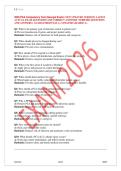
2026 PCA Competency Test (Georgia Exam) (NEW UPDATED VERSION) LATEST
ACTUAL EXAM QUESTIONS AND CORRECT ANSWERS (VERIFIED QUESTIONS
AND ANSWERS)- GUARANTEED PASS A+ UPDATED GRADED A+
Q1: What is the primary goal of infection control in patient care?
A: Prevent transmission of germs and protect patient safety.
Rationale: Reduces risk of infections for both patients and caregivers.
Q2: When should gloves be changed during care?
A: Between tasks and whenever soiled.
Rationale: Prevents cross-contamination.
Q3: How should a PCA respond to a blood spill?
A: Wear gloves, clean with disinfectant, and dispose of materials properly.
Rationale: Protects caregiver and patient from exposure.
Q4: What is the first action if a patient is bleeding?
A: Apply gloves and pressure to control bleeding.
Rationale: Protects both parties and prevents infection.
Q5: When should hand sanitizer be used?
A: When hands are not visibly soiled and before/after patient contact.
Rationale: Provides quick antimicrobial action when washing isn’t feasible.
Q6: How should a PCA dispose of contaminated dressings?
A: Place in a designated biohazard container.
Rationale: Prevents spread of infection.
Q7: Why is PPE important?
A: Protects PCA and patient from exposure to infectious agents.
Rationale: Reduces the risk of disease transmission.
Q8: What is proper body mechanics during patient care?
A: Bend at knees, keep back straight, and lift with legs.
Rationale: Prevents injury to caregiver.
Q9: How often should patient rooms be cleaned?
A: Daily and when visibly soiled.
Rationale: Reduces risk of infection and maintains a safe environment.
Q10: What should a PCA do if a sharps injury occurs?
A: Wash area, report immediately, and follow facility protocol.
Rationale: Ensures safety and timely medical assessment.
practice exam 2026
,2|Page
11–20: ADLs (Activities of Daily Living)
Q11: How should a PCA assist with oral care?
A: Brush teeth gently, assist with rinsing, and check dentures.
Rationale: Maintains hygiene and prevents infection.
Q12: When assisting with bathing, what should PCA do first?
A: Gather supplies and ensure privacy.
Rationale: Prepares patient and maintains dignity.
Q13: How should a PCA provide perineal care?
A: Front to back, using clean cloth for each wipe.
Rationale: Prevents urinary tract infections.
Q14: When helping with shaving, what is essential?
A: Use safety razor and follow facility protocols.
Rationale: Prevents cuts and infection.
Q15: How should hair be cared for?
A: Brush or comb gently, respecting patient preference.
Rationale: Promotes hygiene and comfort.
Q16: When dressing a patient, which side goes first?
A: Weaker or affected side.
Rationale: Provides comfort and prevents injury.
Q17: When undressing a patient, which side is removed first?
A: Stronger side first.
Rationale: Maintains balance and safety.
Q18: How should nails be trimmed safely?
A: Straight across and filed smooth.
Rationale: Prevents injury and infection.
Q19: What is the safest position for a patient during feeding?
A: Upright at 90 degrees.
Rationale: Reduces risk of choking.
Q20: How should a PCA handle dentures?
A: Clean gently with soft brush, store properly when not in use.
Rationale: Maintains hygiene and prevents damage.
practice exam 2026
,3|Page
21–30: Mobility & Transfers
Q21: What is a gait belt used for?
A: To assist patient transfers and walking safely.
Rationale: Provides leverage and prevents falls.
Q22: How should a PCA support a patient walking?
A: Walk on the weaker side and provide steady support.
Rationale: Ensures patient stability and safety.
Q23: When transferring a patient to a wheelchair, what is essential?
A: Lock brakes and use proper body mechanics.
Rationale: Prevents falls and injuries.
Q24: How often should a bedridden patient be repositioned?
A: Every 2 hours.
Rationale: Prevents pressure ulcers.
Q25: How should a mechanical lift be used?
A: Follow manufacturer and facility instructions carefully.
Rationale: Ensures patient safety and prevents caregiver injury.
Q26: How can a PCA prevent falls when ambulating a patient?
A: Walk beside patient, use gait belt, and remove obstacles.
Rationale: Reduces risk of injury.
Q27: What is the safest way to assist a patient who is weak on one side?
A: Support the weaker side during transfers and ambulation.
Rationale: Maintains balance and prevents falls.
Q28: How should a PCA handle a patient who is about to fall?
A: Guide them safely to the floor, protecting head and limbs.
Rationale: Minimizes injury during unplanned falls.
Q29: When should a patient be encouraged to move independently?
A: When safe and within their ability.
Rationale: Promotes independence and confidence.
Q30: Why is proper positioning in bed important?
A: Prevents skin breakdown and promotes comfort.
Rationale: Protects from pressure ulcers and promotes circulation.
practice exam 2026
, 4|Page
31–40: Nutrition & Hydration
Q31: How often should fluids be offered?
A: Every 1–2 hours, as tolerated.
Rationale: Prevents dehydration.
Q32: What is important when assisting with feeding?
A: Patient upright and aware of swallowing ability.
Rationale: Reduces risk of aspiration.
Q33: How should tube feedings be managed?
A: Follow orders, maintain hygiene, and monitor for complications.
Rationale: Ensures patient safety.
Q34: How should food allergies be managed?
A: Verify diet and avoid allergens strictly.
Rationale: Prevents life-threatening reactions.
Q35: How should intake and output be recorded?
A: Accurately and promptly in the chart.
Rationale: Supports monitoring hydration and medical care.
Q36: Why is hand hygiene essential before feeding?
A: Prevents contamination of food.
Rationale: Protects patient from infection.
Q37: How should a PCA respond if a patient refuses food?
A: Respect choice and notify nurse.
Rationale: Maintains autonomy and ensures care team awareness.
Q38: How should dentures be cared for during feeding?
A: Remove, clean, and replace if necessary.
Rationale: Maintains hygiene and comfort.
Q39: How should a PCA manage patients with special diets?
A: Follow the care plan strictly.
Rationale: Prevents medical complications.
Q40: What is the best position for patients with swallowing difficulties?
A: Upright at 90 degrees.
Rationale: Reduces choking and aspiration risk.
practice exam 2026
2026 PCA Competency Test (Georgia Exam) (NEW UPDATED VERSION) LATEST
ACTUAL EXAM QUESTIONS AND CORRECT ANSWERS (VERIFIED QUESTIONS
AND ANSWERS)- GUARANTEED PASS A+ UPDATED GRADED A+
Q1: What is the primary goal of infection control in patient care?
A: Prevent transmission of germs and protect patient safety.
Rationale: Reduces risk of infections for both patients and caregivers.
Q2: When should gloves be changed during care?
A: Between tasks and whenever soiled.
Rationale: Prevents cross-contamination.
Q3: How should a PCA respond to a blood spill?
A: Wear gloves, clean with disinfectant, and dispose of materials properly.
Rationale: Protects caregiver and patient from exposure.
Q4: What is the first action if a patient is bleeding?
A: Apply gloves and pressure to control bleeding.
Rationale: Protects both parties and prevents infection.
Q5: When should hand sanitizer be used?
A: When hands are not visibly soiled and before/after patient contact.
Rationale: Provides quick antimicrobial action when washing isn’t feasible.
Q6: How should a PCA dispose of contaminated dressings?
A: Place in a designated biohazard container.
Rationale: Prevents spread of infection.
Q7: Why is PPE important?
A: Protects PCA and patient from exposure to infectious agents.
Rationale: Reduces the risk of disease transmission.
Q8: What is proper body mechanics during patient care?
A: Bend at knees, keep back straight, and lift with legs.
Rationale: Prevents injury to caregiver.
Q9: How often should patient rooms be cleaned?
A: Daily and when visibly soiled.
Rationale: Reduces risk of infection and maintains a safe environment.
Q10: What should a PCA do if a sharps injury occurs?
A: Wash area, report immediately, and follow facility protocol.
Rationale: Ensures safety and timely medical assessment.
practice exam 2026
,2|Page
11–20: ADLs (Activities of Daily Living)
Q11: How should a PCA assist with oral care?
A: Brush teeth gently, assist with rinsing, and check dentures.
Rationale: Maintains hygiene and prevents infection.
Q12: When assisting with bathing, what should PCA do first?
A: Gather supplies and ensure privacy.
Rationale: Prepares patient and maintains dignity.
Q13: How should a PCA provide perineal care?
A: Front to back, using clean cloth for each wipe.
Rationale: Prevents urinary tract infections.
Q14: When helping with shaving, what is essential?
A: Use safety razor and follow facility protocols.
Rationale: Prevents cuts and infection.
Q15: How should hair be cared for?
A: Brush or comb gently, respecting patient preference.
Rationale: Promotes hygiene and comfort.
Q16: When dressing a patient, which side goes first?
A: Weaker or affected side.
Rationale: Provides comfort and prevents injury.
Q17: When undressing a patient, which side is removed first?
A: Stronger side first.
Rationale: Maintains balance and safety.
Q18: How should nails be trimmed safely?
A: Straight across and filed smooth.
Rationale: Prevents injury and infection.
Q19: What is the safest position for a patient during feeding?
A: Upright at 90 degrees.
Rationale: Reduces risk of choking.
Q20: How should a PCA handle dentures?
A: Clean gently with soft brush, store properly when not in use.
Rationale: Maintains hygiene and prevents damage.
practice exam 2026
,3|Page
21–30: Mobility & Transfers
Q21: What is a gait belt used for?
A: To assist patient transfers and walking safely.
Rationale: Provides leverage and prevents falls.
Q22: How should a PCA support a patient walking?
A: Walk on the weaker side and provide steady support.
Rationale: Ensures patient stability and safety.
Q23: When transferring a patient to a wheelchair, what is essential?
A: Lock brakes and use proper body mechanics.
Rationale: Prevents falls and injuries.
Q24: How often should a bedridden patient be repositioned?
A: Every 2 hours.
Rationale: Prevents pressure ulcers.
Q25: How should a mechanical lift be used?
A: Follow manufacturer and facility instructions carefully.
Rationale: Ensures patient safety and prevents caregiver injury.
Q26: How can a PCA prevent falls when ambulating a patient?
A: Walk beside patient, use gait belt, and remove obstacles.
Rationale: Reduces risk of injury.
Q27: What is the safest way to assist a patient who is weak on one side?
A: Support the weaker side during transfers and ambulation.
Rationale: Maintains balance and prevents falls.
Q28: How should a PCA handle a patient who is about to fall?
A: Guide them safely to the floor, protecting head and limbs.
Rationale: Minimizes injury during unplanned falls.
Q29: When should a patient be encouraged to move independently?
A: When safe and within their ability.
Rationale: Promotes independence and confidence.
Q30: Why is proper positioning in bed important?
A: Prevents skin breakdown and promotes comfort.
Rationale: Protects from pressure ulcers and promotes circulation.
practice exam 2026
, 4|Page
31–40: Nutrition & Hydration
Q31: How often should fluids be offered?
A: Every 1–2 hours, as tolerated.
Rationale: Prevents dehydration.
Q32: What is important when assisting with feeding?
A: Patient upright and aware of swallowing ability.
Rationale: Reduces risk of aspiration.
Q33: How should tube feedings be managed?
A: Follow orders, maintain hygiene, and monitor for complications.
Rationale: Ensures patient safety.
Q34: How should food allergies be managed?
A: Verify diet and avoid allergens strictly.
Rationale: Prevents life-threatening reactions.
Q35: How should intake and output be recorded?
A: Accurately and promptly in the chart.
Rationale: Supports monitoring hydration and medical care.
Q36: Why is hand hygiene essential before feeding?
A: Prevents contamination of food.
Rationale: Protects patient from infection.
Q37: How should a PCA respond if a patient refuses food?
A: Respect choice and notify nurse.
Rationale: Maintains autonomy and ensures care team awareness.
Q38: How should dentures be cared for during feeding?
A: Remove, clean, and replace if necessary.
Rationale: Maintains hygiene and comfort.
Q39: How should a PCA manage patients with special diets?
A: Follow the care plan strictly.
Rationale: Prevents medical complications.
Q40: What is the best position for patients with swallowing difficulties?
A: Upright at 90 degrees.
Rationale: Reduces choking and aspiration risk.
practice exam 2026