PEDS 602_Chamberlain College of Nursing | Week 2 ATI Chapter Questions | Grade A+
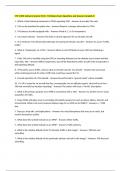
Chapter 16: 1. A nurse is teaching an adolescent to self-administer a corticosteroid medication using a metered-dose inhaler (MDI). Which of the following instructions should the nurse include? (Se lect all that apply.) A. Shake the device prior to use. B. Rinse and expectorate after administration. E. Wait 30 seconds between puffs. 2. A nurse caring for a child who is receiving oxygen therapy and is on a continuous oxygen saturation monitor that is reading 89%. Which of the following actions should the nurse take first? A. Increase the oxygen flow rate. B. Encourage the child to take deep breaths. C. Ensure proper placement of the sensor probe. D. Place the child in the Fowler’s position. 3. A nurse in the emergency department is assessing a newly-admitted infant. Which of the following findings is an early indication of hypoxemia? A. Nonproductive cough B. Hypoventilation C. Cyanosis D. Nasal stuffiness 4. A nurse is caring for a child who is receiving oxygen. Which of the following findings indicates oxygen toxicity? A. Increased blood pressure B. Hyperventilation C. Decreased PaCO2 D. Unconsciousness 5. A nurse is caring for a child who is receiving a bronchodilator medication by nebulized aerosol therapy. Which of the following actions should the nurse take? (Select all that apply.) A. Instruct the child that the treatment will last 30 min. B. Obtain vital signs prior to the procedure. C. Tell the child to take slow deep breaths. D. Determine if the child should use a mask. E. Attach the device to an air source. Chapter 17: 1. A nurse is caring for a child who has bronchiolitis. Which of the following actions should the nurse take? (Select all that apply.) A. Administer oral prednisone. B. Initiate chest percussion and postural drainage. C. Administer humidified oxygen. D. Suction the nasopharynx as needed. E. Administer oral penicillin. 2. A nurse is teaching a group of parents about influenza. Which of the following information should the nurse include in the teaching? A. “Amantadine will prevent the illness.” B. “Rimantadine is administered intramuscularly.” C. “Zanamivir can be given to children 1 year and older.” D. “Oseltamivir should be given within 48 hours of onset of symptoms.” 3. A nurse is caring for a child who is in the postoperative period following a tonsillectomy. Which of the following is a clinical finding of postoperative bleeding? A. Hgb 11.6 and Hct 37% B. Inflamed and reddened throat C. Frequent swallowing and clearing of the throat D. Blood-tinged mucus 4. A nurse is caring for a child in the postoperative period followinga tonsillectomy. Which of the actions should the nurse take? A. Encourage the child to blow her nose gently. B. Administer analgesics on a schedule. C. Offer orange juice. D. Position the child supine. 5. A nurse is assessing a child who has epiglottitis. Which of the following findings should the nurse expect? (Select all that apply.) A. Hoarseness and difficulty speaking B. Difficulty swallowing C. Low-grade fever D. Drooling E. Dry, barking cough F. Stridor Chapter 18: 1. A nurse is assessing a child who has asthma. Which of the following are indications of deterioration in the child’s respiratory status? (Select all that apply.) A. Oxygen saturation 95% B. Wheezing C. Retraction of sternal muscles D. Warm extremities E. Nasal flaring 2. A nurse is teaching an adolescent about the appropriate use of his asthma medications. Which of the following medications should the nurse instruct the client to use as needed before exercise? A. Fluticasone/salmeterol B. Montelukast C. Prednisone D. Albuterol 3. A nurse is planning care for a child who has asthma. Which of the following interventions should the nurse include in the plan of care? (Select all that apply.) A. Perform chest percussion. B. Place the child in an upright position. C. Monitor oxygen saturation. D. Administer bronchodilators. E. Administer dornase alfa daily. 4. A nurse is teaching a child who has asthma how to use a peak flow meter. Which of the following information should the nurse include in the teaching? (Select all that apply.) A. Zero the meter before each use. B. Record the average of the attempts. C. Perform three attempts. D. Deliver a long, slow breath into the meter. E. Sit in a chair with feet on the floor. 5. A nurse is discussing risk factors for asthma with a group of newly licensed nurses. Which of the following conditions should the nurse include in the teaching? (Select all that apply.) A. Family history of asthma B. Family history of allergies C. Exposure to smoke D. Low birth weight E. Being underweight Chapter 19: 1. A nurse is reviewing the diagnostic findings for a preschool age child who is suspected of having cystic fibrosis. Which of the following findings should the nurse identify as an indication of cystic fibrosis? A. Sweat chloride content 85 mEq/L B. Increased serum levels of fat-soluble vitamins C. 72 hr stool analysis sample indicating hard, packed stools D. Chest x-ray negative for atelectasis 2. A nurse is admitting a child who has cystic fibrosis. Which of the following medications should the nurse anticipate including in the plan of care? (Select all that apply.) A. Tobramycin B. Loperamide C. Fat-soluble vitamins D. Albuterol E. Dornase alfa 3. A nurse is performing an admission assessment for a child who has cystic fibrosis. Which of the following findings should the nurse expect? (Select all that apply.) A. Wheezing B. Clubbing of fingers and toes C. Barrel-shaped chest D. Thin, watery mucus E. Rapid growth spurts 4. A nurse is providing discharge teaching for a child who has cystic fibrosis. Which of the following instructions should the nurse include? A. Provide a low-calorie, low-protein diet. B. Administer pancreatic enzymes with meals and snacks. C. Implement a fluid restriction during times of infection. D. Restrict physical activity. Chapter 36: 1. A nurse is teaching a group of parents about complications of communicable diseases. Which of the following communicable diseases can lead to pneumonia? (Select all that apply.) A. Rubella (German measles) B. Rubeola (measles) C. Pertussis (whooping cough) D. Varicella (chickenpox) E. Mumps 2. A nurse is providing teaching for an adolescent client who has mononucleosis. The client has a fever, fatigue, swollen lymph nodes, sore throat, and a sore upper abdomen. Which of the following instructions should the nurse include in the teaching? (Select all that apply.) A. Take antibiotics until symptoms subside. B. Drink plenty of liquids. C. Avoid participating in strenuous activities. D. Allow for periods of rest. E. Take aspirin as needed for fever and discomfort. F. Gargle with saltwater every 2 to 3 hr. 3. A nurse is assessing a client who has pertussis. Which of the following findings should the nurse expect? (Select all that apply.) A. Runny nose B. Mild fever C. Cough with whooping sound D. Swollen salivary glands E. Red rash 4. A nurse is teaching a group of parents about communicable diseases. The nurse should include that which of the following is the best method to prevent a communicable disease? A. Hand washing B. Avoiding persons who have active disease C. Covering your cough D. Obtaining immunizations Show Less
Geschreven voor
- Instelling
-
Chamberlain College Nursing
- Vak
-
PEDS 602
Documentinformatie
- Geüpload op
- 13 maart 2021
- Aantal pagina's
- 5
- Geschreven in
- 2020/2021
- Type
- Tentamen (uitwerkingen)
- Bevat
- Vragen en antwoorden
Onderwerpen
-
peds 602chamberlain college of nursing | week 2 ati chapter questions | grade a