
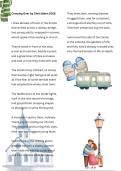
Crossing Over by Chris Mann 2026 They drew back, sensing distress.
I hugged them, and for a moment,
I drew abreast of them in the drizzle a strange short eternity out of time,
that drifted across a railway-bridge, I felt their presences hug me back,
two young adults, wrapped in scarves,
who’d spoken that evening in church. I who lived this side of the tracks,
in the suburbs, the gardens of life,
They’d stood in front of the altar, and they who’d already crossed over,
a man and a woman, beside a priest into the hard streets of life-in-death.
and a great bowl of lilies and aloes
and told us how they lived with aids.
The streets they climbed, so slowly
that Sunday night had gone all quiet,
as if the fear of some terrible event
had emptied the whole small town.
The feeble blurs of the street-lights,
sunk in the mist above the bridge,
had greyed their stooping shapes
to phantoms in some life beyond.
A moment! I said to them, hollowly.
Thank you for visiting our church!
They paused, and turning their eyes,
their wan and haggard young faces
towards me in the misting gloom
greeted me with a cheery warmth
that made me want to curse aloud
and turn my face aside and weep.
, The speaker moves alongside the couple in
unpleasant weather, suggesting a brief physical
I drew abreast of them in closeness.
the drizzle The drizzle reflects the subdued mood and hints at
emotional distance, discomfort, and the tentative
beginning of a meaningful encounter.
The image suggests gentle but constant movement
through a place of division, creating a quiet, uneasy
that drifted across a mood.
railway-bridge, The bridge represents a boundary, while the
drifting motion hints at uncertainty and transition
between two different states of life.
The phrase highlights their youth and vulnerability.
The scarves suggest physical frailty, protection,
two young adults, wrapped
and fragility, reminding us they are ordinary young
in scarves, people facing illness, not distant symbols, which
deepens the reader’s sympathy.
The line shows that the couple publicly shared
their personal suffering in a religious space,
who’d spoken that evening
highlighting their courage and vulnerability while
in church. emphasising the contrast between their private
pain and the respectful, formal setting.
The line places the couple in a sacred, formal
space, suggesting honesty, vulnerability, and moral
They’d stood in front of courage.
the altar, It highlights the seriousness of their confession and
frames their lives and illness as deserving respect,
dignity, and compassion.
The line emphasises how the couple’s private
suffering is publicly acknowledged and formally
a man and a woman,
blessed, showing their relationship as serious,
beside a priest committed, and human, not defined by illness, and
deserving dignity, respect, and compassion.
The flowers suggest a funeral atmosphere,
symbolising death and mourning, while also
and a great bowl of lilies
implying healing and remembrance, highlighting
and aloes the irony of beauty and care surrounding people
facing illness and approaching death.
I hugged them, and for a moment,
I drew abreast of them in the drizzle a strange short eternity out of time,
that drifted across a railway-bridge, I felt their presences hug me back,
two young adults, wrapped in scarves,
who’d spoken that evening in church. I who lived this side of the tracks,
in the suburbs, the gardens of life,
They’d stood in front of the altar, and they who’d already crossed over,
a man and a woman, beside a priest into the hard streets of life-in-death.
and a great bowl of lilies and aloes
and told us how they lived with aids.
The streets they climbed, so slowly
that Sunday night had gone all quiet,
as if the fear of some terrible event
had emptied the whole small town.
The feeble blurs of the street-lights,
sunk in the mist above the bridge,
had greyed their stooping shapes
to phantoms in some life beyond.
A moment! I said to them, hollowly.
Thank you for visiting our church!
They paused, and turning their eyes,
their wan and haggard young faces
towards me in the misting gloom
greeted me with a cheery warmth
that made me want to curse aloud
and turn my face aside and weep.
, The speaker moves alongside the couple in
unpleasant weather, suggesting a brief physical
I drew abreast of them in closeness.
the drizzle The drizzle reflects the subdued mood and hints at
emotional distance, discomfort, and the tentative
beginning of a meaningful encounter.
The image suggests gentle but constant movement
through a place of division, creating a quiet, uneasy
that drifted across a mood.
railway-bridge, The bridge represents a boundary, while the
drifting motion hints at uncertainty and transition
between two different states of life.
The phrase highlights their youth and vulnerability.
The scarves suggest physical frailty, protection,
two young adults, wrapped
and fragility, reminding us they are ordinary young
in scarves, people facing illness, not distant symbols, which
deepens the reader’s sympathy.
The line shows that the couple publicly shared
their personal suffering in a religious space,
who’d spoken that evening
highlighting their courage and vulnerability while
in church. emphasising the contrast between their private
pain and the respectful, formal setting.
The line places the couple in a sacred, formal
space, suggesting honesty, vulnerability, and moral
They’d stood in front of courage.
the altar, It highlights the seriousness of their confession and
frames their lives and illness as deserving respect,
dignity, and compassion.
The line emphasises how the couple’s private
suffering is publicly acknowledged and formally
a man and a woman,
blessed, showing their relationship as serious,
beside a priest committed, and human, not defined by illness, and
deserving dignity, respect, and compassion.
The flowers suggest a funeral atmosphere,
symbolising death and mourning, while also
and a great bowl of lilies
implying healing and remembrance, highlighting
and aloes the irony of beauty and care surrounding people
facing illness and approaching death.


