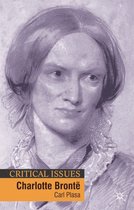
Carl Plasa, Charlotte Bronte (Palgrave, 2004)
Shirley:
The narrator- ‘the tale she tells is intimately shaped by the colonial trauma framing
the novel’s production, albeit in ways which are oblique, covert and coded’ (p.101.)
‘Shirley’s veritable obsession with food and the body, eating and hunger, is not
arbitrary but, rather, the fictional reflex of the colonial history out of which the novel is
born’ (p.102.)
In Shirley- the Irish famine takes the place of slavery- ‘as the novel’s submerged
colonial ground’ (p.102.) however- similar manner in which ‘the two novels reinscribe
the respective colonial histories with which they deal’ (p.102.)
In Shirley- colonial history ‘is to be sought amid the novel’s representation of the
varied bodies it includes within itself, and the patterns of consumption, starvation and
movement which develop around them’ (p.103.)
Anglo-Irish animosities:
The ‘entrée to Bronte’s novel establishes a relationship between narrator and reader
marked by a certain strain, as the one withholds what the other demands, or at best
rations it out’ (p.104.)
Look at Malone- undergoes a racial makeover- North American visage- slave owner.
o BUT ‘the circumstances of the Famine are at once evoked and rewritten in
the shifting emphases of the text’ (p.105.)
o Malone- an anagram of ‘no meal’ > by contrast, first words ‘More bread!’ >
has a massive appetite-starves others.
o ‘the Famine is something whose exclusion is only a prelude to its return in a
distorted form’ (p.107.)
Class and corporeality:
Robert explicitly linked to Coriolanus (starving citizens) in the novel- but he is a hybrid
figure. Although he is economically superior- he will always be racially inferior.
The English were directly implicated in the famine > raises question of blame >
happened so close to home > Famine masked and revealed in conflict between
worker and master. The ‘starvation of the working-class male body is consistently
emphasized’(p.109.) in the text.
The oppressor doubles the oppressed- Robert wastes away after attempted murder.
Figures of female resistance:
Famine > mirrored in women starving their bodies as a form of protest- metaphor.
Caroline’s rebuff from Robert- highlights female plight- cannot speak out about male
indifference. Robert turns against her-feeds her a ‘stone’ instead of ‘bread- so
Caroline turns upon herself.
o ‘A lover masculine so disappointed can speak and urge…’- find.
Note: Helstone’s wife, Mary, also physically declines.
NOTE: Miss Mann- an old maid- deprived of even ‘a drop and a crumb’ > Caroline
could turn into her. > but different usage of the ‘stone’ image: Miss Mann, ‘negotiates
her sexual hunger by targeting the patriarchal order which is its source’ (p.114.)- turns
Medusa like-something stony in Robert afterwards.
*** Famine imagery not just representing the disappointment of unreciprocated desire- also
larger female dissatisfactions e.g. Helstone speculates Caroline’s decline is due to sucking
pencils- but patriarchal assumption that stereotypical feminine accomplishments can
adequately sustain a middle class female subject.
Note: Caroline wants to be financially independent- a governess- engages in dreams
of gender crossing also.
Helstone- allows Caroline to engage in minor skills- inc learning French- but this
stops due to rift with Robert.
Caroline- long interior monologue- end of volume two- talks about the ‘Men of
England; who keeps their ‘girls’ minds narrowed and fettered’ (p.117.)
Beg of volume 3- Caroline gets cholera- one of diseases induced by famine > like
Malone’s Irishness *** > link to famine is mystified and pointed towards the oriental-
Shirley:
The narrator- ‘the tale she tells is intimately shaped by the colonial trauma framing
the novel’s production, albeit in ways which are oblique, covert and coded’ (p.101.)
‘Shirley’s veritable obsession with food and the body, eating and hunger, is not
arbitrary but, rather, the fictional reflex of the colonial history out of which the novel is
born’ (p.102.)
In Shirley- the Irish famine takes the place of slavery- ‘as the novel’s submerged
colonial ground’ (p.102.) however- similar manner in which ‘the two novels reinscribe
the respective colonial histories with which they deal’ (p.102.)
In Shirley- colonial history ‘is to be sought amid the novel’s representation of the
varied bodies it includes within itself, and the patterns of consumption, starvation and
movement which develop around them’ (p.103.)
Anglo-Irish animosities:
The ‘entrée to Bronte’s novel establishes a relationship between narrator and reader
marked by a certain strain, as the one withholds what the other demands, or at best
rations it out’ (p.104.)
Look at Malone- undergoes a racial makeover- North American visage- slave owner.
o BUT ‘the circumstances of the Famine are at once evoked and rewritten in
the shifting emphases of the text’ (p.105.)
o Malone- an anagram of ‘no meal’ > by contrast, first words ‘More bread!’ >
has a massive appetite-starves others.
o ‘the Famine is something whose exclusion is only a prelude to its return in a
distorted form’ (p.107.)
Class and corporeality:
Robert explicitly linked to Coriolanus (starving citizens) in the novel- but he is a hybrid
figure. Although he is economically superior- he will always be racially inferior.
The English were directly implicated in the famine > raises question of blame >
happened so close to home > Famine masked and revealed in conflict between
worker and master. The ‘starvation of the working-class male body is consistently
emphasized’(p.109.) in the text.
The oppressor doubles the oppressed- Robert wastes away after attempted murder.
Figures of female resistance:
Famine > mirrored in women starving their bodies as a form of protest- metaphor.
Caroline’s rebuff from Robert- highlights female plight- cannot speak out about male
indifference. Robert turns against her-feeds her a ‘stone’ instead of ‘bread- so
Caroline turns upon herself.
o ‘A lover masculine so disappointed can speak and urge…’- find.
Note: Helstone’s wife, Mary, also physically declines.
NOTE: Miss Mann- an old maid- deprived of even ‘a drop and a crumb’ > Caroline
could turn into her. > but different usage of the ‘stone’ image: Miss Mann, ‘negotiates
her sexual hunger by targeting the patriarchal order which is its source’ (p.114.)- turns
Medusa like-something stony in Robert afterwards.
*** Famine imagery not just representing the disappointment of unreciprocated desire- also
larger female dissatisfactions e.g. Helstone speculates Caroline’s decline is due to sucking
pencils- but patriarchal assumption that stereotypical feminine accomplishments can
adequately sustain a middle class female subject.
Note: Caroline wants to be financially independent- a governess- engages in dreams
of gender crossing also.
Helstone- allows Caroline to engage in minor skills- inc learning French- but this
stops due to rift with Robert.
Caroline- long interior monologue- end of volume two- talks about the ‘Men of
England; who keeps their ‘girls’ minds narrowed and fettered’ (p.117.)
Beg of volume 3- Caroline gets cholera- one of diseases induced by famine > like
Malone’s Irishness *** > link to famine is mystified and pointed towards the oriental-