,Test Bank for f# f#
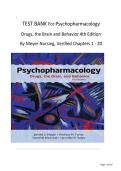
Pharmacology
A Patient-
f#
Centered Nursing Process Approach 12th Editio f# f# f# f# f#
n
Authors: Linda McCuistion, Kathleen DiMaggio, Mary Beth f# f# f# f# f# f# f#
Winton, JenniferYeager f#
Unit 1: Introduction to Pharmacology
f# f# f# f#
Chapter 1.The Nursing Process and Patient-
f# f# f# f# f#
Centered Care Chapter 2.Drug Development and Ethical C
f# f# f# f# f# f# f#
onsiderations Chapter 3.Pharmacokinetics and Pharmacod f# f# f# f#
ynamics Chapter 4.Pharmacogenetics f# f#
Chapter 5.Complementary and Alternative Therapies Chapt
f# f# f# f# f#
er 6.Pediatric Considerations
f# f#
Chapter 7.Geriatric Considerations f# f#
Chapter 8.Drugs in Substance Use Disorder
f# f# f# f# f#
Unit 2: Pharmacotherapy and Drug Administration
f# f# f# f# f#
Chapter 9.Safety and Quality Chapte f# f# f# f#
r 10.Drug Administration Chapter 11
f# f# f# f#
.Drug Calculations f#
Unit 3: Maintenance of Homeostasis Chapte
f# f# f# f# f#
r 12.Fluid Volume and Electrolytes Chapter 1
f# f# f# f# f# f#
3.Vitamin and Mineral Replacement Chapter 1 f# f# f# f# f#
4.Nutritional Support f#
Unit 4: Autonomic Nervous System Drugs Chap
f# f# f# f# f# f#
ter 15.Adrenergic Agonists and Antagonists Chapt
f# f# f# f# f#
er 16.Cholinergic Agonists and Antagonists
f# f# f# f#
Unit 5: Central and Peripheral Nervous System Drugs
f# f# f# f# f# f# f#
Chapter 17.Stimulants Chapt f# f#
er 18.Depressants Chapter 19.
f# f# f#
Antiseizure Drugs f#
Chapter 20.Drugs for Parkinsonism and Alzheimer‘s Disease Chapte
f# f# f# f# f# f# f#
r 21.Drugs for Neuromuscular Disorders and Muscle Spasms Unit 6:
f# f# f# f# f# f# f# f# f# f#
Mental and Behavioral Health Drugs
f# f# f# f#
Chapter 22.Antipsychotics and Anxiolytics Chapte
f# f# f# f#
r 23.Antidepressants and Mood Stabilizers
f# f# f# f#
Unit 7: Pain and Inflammation Management Drugs
f# f# f# f# f# f#
Chapter 24.Antiinflammatories Chap f# f#
ter 25.Analgesics
f#
Unit 8: Antimicrobial Drugs
f# f# f#
Chapter 26.Antibacterials f#
Chapter 27.Antituberculars, Antifungals, and Antivirals Ch
f# f# f# f# f#
apter 28.Antimalarials, Anthelmintics, and Peptides Unit 9
f# f# f# f# f# f#
: Immunologic Drugs
f# f#
Chapter 29.HIV- and AIDS- f# f# f#
Related Drugs Chapter 30.Transplant Drugs
f# f# f# f#
Chapter 31.Vaccines f#
Unit 10: Antineoplastics and Biologic Response Modifiers
f# f# f# f# f# f#
Chapter 32.Anticancer Drugs f# f#
Chapter 33.Targeted Therapies to Treat Cancer Cha
f# f# f# f# f# f#
pter 34.Biologic Response Modifiers
f# f# f#
Unit 11: Respiratory Drugs
f# f# f#
Chapter 35.Upper Respiratory Disorders
f# f# f# f#
Chapter 36.Lower Respiratory Disorders
f# f# f# f#
Unit 12: Cardiovascular Drugs
f# f# f#
,Chapter 37.Cardiac Glycosides, Antianginals, and Antidysrhythmics
f# f# f# f# f#
, Chapter 38.Diuretics f#
Chapter 39.Antihypertensives f#
Chapter 40.Anticoagulants, Antiplatelets, and Thrombolytics
f# f# f# f#
Chapter 41.Antihyperlipidemics and Drugs to Improve Peripheral Blood Flow
f# f# f# f# f# f# f# f#
Unit 13: Gastrointestinal Drugs
f# f# f#
Chapter 42.Gastrointestinal Tract Disorders Ch
f# f# f# f#
apter 43.Antiulcer Drugs
f# f#
Unit 14: Eye, Ear, and Skin Drugs
f# f# f# f# f# f# f#
Chapter 44.Eye and Ear Disorders C f# f# f# f# f#
hapter 45.Dermatologic Disorders U
f# f# f#
nit 15: Endocrine Drugs
f# f# f#
Chapter 46.Pituitary, Thyroid, Parathyroid, and Adrenal Disorders Chap
f# f# f# f# f# f# f#
ter 47.Antidiabetics
f#
Unit 16: Renal and Urologic Drugs
f# f# f# f# f#
Chapter 48.Urinary Disorders f# f#
Unit 17: Reproductive and Gender-Related Drugs
f# f# f# f# f#
Chapter 49.Pregnancy and Preterm Labor Cha
f# f# f# f# f#
pter 50.Labor, Delivery, and Postpartum Chapt
f# f# f# f# f#
er 51.Neonatal and Newborn
f# f# f#
Chapter 52.Reproductive Health f# f#
Chapter 53.Men‘s Health and Reproductive Disorders Chapte
f# f# f# f# f# f#
r 54.Sexually Transmitted Infections
f# f# f#
Unit 18: Sexually Transmitted Infections
f# f# f# f#
Chapter 55.Adult and Pediatric Emergency Drugs
f# f# f# f# f#
Chapter 01: The Nursing Process and Patient-Centered Care
f#
f# f# f# f# f# f# f#
MULTIPLE CHOICE f#
1. The nursing process is a five-step decision-
f# f# f# f# f# f#
making approach that includes all of the following steps, EXCEPT:
f# f# f# f# f# f# f# f# f#
a. Assessment
b. Patient problem f#
c. Planning
d. Right Drug f#
ANS: D f #
The nursing process is a five-step decision-
f# f# f# f# f# f#
making approach that includes: 1) assessment, 2) patient problem, 3) planning, 4) implementati
f# f# f# f# f# f# f# f# f# f# f# f#
on, and 5) evaluation. ―Right drug‖ is one of the ―Six Rights‖ of medication administration.
f# f# f# f# f# f# f# f# f# f# f# f# f# f#
DIF: Cognitive Level: Understanding (Comprehension) f# f# f#
TOP: Nursing Process: Planning MSC: NCLEX: Management of Care
f# f# f# f# f# f# f# f#
2. The nurse is using data collected to set goals or expected outcomes and interventions that a
f# f# f# f# f# f# f# f# f# f# f# f# f# f# f#
ddress the patient‘s problems. Which step of the nursing process is the nurse applying?
f# f# f# f# f# f# f# f# f# f# f# f# f#
a. Assessment
b. Patient problem f#
c. Planning N
d. Evaluation
ANS: C f#
During the planning phase, the nurse uses the data collected to set goals or expected outcomes
f# f# f# f# f# f# f# f# f# f# f# f# f# f# f#
Pharmacology
A Patient-
f#
Centered Nursing Process Approach 12th Editio f# f# f# f# f#
n
Authors: Linda McCuistion, Kathleen DiMaggio, Mary Beth f# f# f# f# f# f# f#
Winton, JenniferYeager f#
Unit 1: Introduction to Pharmacology
f# f# f# f#
Chapter 1.The Nursing Process and Patient-
f# f# f# f# f#
Centered Care Chapter 2.Drug Development and Ethical C
f# f# f# f# f# f# f#
onsiderations Chapter 3.Pharmacokinetics and Pharmacod f# f# f# f#
ynamics Chapter 4.Pharmacogenetics f# f#
Chapter 5.Complementary and Alternative Therapies Chapt
f# f# f# f# f#
er 6.Pediatric Considerations
f# f#
Chapter 7.Geriatric Considerations f# f#
Chapter 8.Drugs in Substance Use Disorder
f# f# f# f# f#
Unit 2: Pharmacotherapy and Drug Administration
f# f# f# f# f#
Chapter 9.Safety and Quality Chapte f# f# f# f#
r 10.Drug Administration Chapter 11
f# f# f# f#
.Drug Calculations f#
Unit 3: Maintenance of Homeostasis Chapte
f# f# f# f# f#
r 12.Fluid Volume and Electrolytes Chapter 1
f# f# f# f# f# f#
3.Vitamin and Mineral Replacement Chapter 1 f# f# f# f# f#
4.Nutritional Support f#
Unit 4: Autonomic Nervous System Drugs Chap
f# f# f# f# f# f#
ter 15.Adrenergic Agonists and Antagonists Chapt
f# f# f# f# f#
er 16.Cholinergic Agonists and Antagonists
f# f# f# f#
Unit 5: Central and Peripheral Nervous System Drugs
f# f# f# f# f# f# f#
Chapter 17.Stimulants Chapt f# f#
er 18.Depressants Chapter 19.
f# f# f#
Antiseizure Drugs f#
Chapter 20.Drugs for Parkinsonism and Alzheimer‘s Disease Chapte
f# f# f# f# f# f# f#
r 21.Drugs for Neuromuscular Disorders and Muscle Spasms Unit 6:
f# f# f# f# f# f# f# f# f# f#
Mental and Behavioral Health Drugs
f# f# f# f#
Chapter 22.Antipsychotics and Anxiolytics Chapte
f# f# f# f#
r 23.Antidepressants and Mood Stabilizers
f# f# f# f#
Unit 7: Pain and Inflammation Management Drugs
f# f# f# f# f# f#
Chapter 24.Antiinflammatories Chap f# f#
ter 25.Analgesics
f#
Unit 8: Antimicrobial Drugs
f# f# f#
Chapter 26.Antibacterials f#
Chapter 27.Antituberculars, Antifungals, and Antivirals Ch
f# f# f# f# f#
apter 28.Antimalarials, Anthelmintics, and Peptides Unit 9
f# f# f# f# f# f#
: Immunologic Drugs
f# f#
Chapter 29.HIV- and AIDS- f# f# f#
Related Drugs Chapter 30.Transplant Drugs
f# f# f# f#
Chapter 31.Vaccines f#
Unit 10: Antineoplastics and Biologic Response Modifiers
f# f# f# f# f# f#
Chapter 32.Anticancer Drugs f# f#
Chapter 33.Targeted Therapies to Treat Cancer Cha
f# f# f# f# f# f#
pter 34.Biologic Response Modifiers
f# f# f#
Unit 11: Respiratory Drugs
f# f# f#
Chapter 35.Upper Respiratory Disorders
f# f# f# f#
Chapter 36.Lower Respiratory Disorders
f# f# f# f#
Unit 12: Cardiovascular Drugs
f# f# f#
,Chapter 37.Cardiac Glycosides, Antianginals, and Antidysrhythmics
f# f# f# f# f#
, Chapter 38.Diuretics f#
Chapter 39.Antihypertensives f#
Chapter 40.Anticoagulants, Antiplatelets, and Thrombolytics
f# f# f# f#
Chapter 41.Antihyperlipidemics and Drugs to Improve Peripheral Blood Flow
f# f# f# f# f# f# f# f#
Unit 13: Gastrointestinal Drugs
f# f# f#
Chapter 42.Gastrointestinal Tract Disorders Ch
f# f# f# f#
apter 43.Antiulcer Drugs
f# f#
Unit 14: Eye, Ear, and Skin Drugs
f# f# f# f# f# f# f#
Chapter 44.Eye and Ear Disorders C f# f# f# f# f#
hapter 45.Dermatologic Disorders U
f# f# f#
nit 15: Endocrine Drugs
f# f# f#
Chapter 46.Pituitary, Thyroid, Parathyroid, and Adrenal Disorders Chap
f# f# f# f# f# f# f#
ter 47.Antidiabetics
f#
Unit 16: Renal and Urologic Drugs
f# f# f# f# f#
Chapter 48.Urinary Disorders f# f#
Unit 17: Reproductive and Gender-Related Drugs
f# f# f# f# f#
Chapter 49.Pregnancy and Preterm Labor Cha
f# f# f# f# f#
pter 50.Labor, Delivery, and Postpartum Chapt
f# f# f# f# f#
er 51.Neonatal and Newborn
f# f# f#
Chapter 52.Reproductive Health f# f#
Chapter 53.Men‘s Health and Reproductive Disorders Chapte
f# f# f# f# f# f#
r 54.Sexually Transmitted Infections
f# f# f#
Unit 18: Sexually Transmitted Infections
f# f# f# f#
Chapter 55.Adult and Pediatric Emergency Drugs
f# f# f# f# f#
Chapter 01: The Nursing Process and Patient-Centered Care
f#
f# f# f# f# f# f# f#
MULTIPLE CHOICE f#
1. The nursing process is a five-step decision-
f# f# f# f# f# f#
making approach that includes all of the following steps, EXCEPT:
f# f# f# f# f# f# f# f# f#
a. Assessment
b. Patient problem f#
c. Planning
d. Right Drug f#
ANS: D f #
The nursing process is a five-step decision-
f# f# f# f# f# f#
making approach that includes: 1) assessment, 2) patient problem, 3) planning, 4) implementati
f# f# f# f# f# f# f# f# f# f# f# f#
on, and 5) evaluation. ―Right drug‖ is one of the ―Six Rights‖ of medication administration.
f# f# f# f# f# f# f# f# f# f# f# f# f# f#
DIF: Cognitive Level: Understanding (Comprehension) f# f# f#
TOP: Nursing Process: Planning MSC: NCLEX: Management of Care
f# f# f# f# f# f# f# f#
2. The nurse is using data collected to set goals or expected outcomes and interventions that a
f# f# f# f# f# f# f# f# f# f# f# f# f# f# f#
ddress the patient‘s problems. Which step of the nursing process is the nurse applying?
f# f# f# f# f# f# f# f# f# f# f# f# f#
a. Assessment
b. Patient problem f#
c. Planning N
d. Evaluation
ANS: C f#
During the planning phase, the nurse uses the data collected to set goals or expected outcomes
f# f# f# f# f# f# f# f# f# f# f# f# f# f# f#