Plant diversity
Page 1 of 13
,Plant diversity
Plant classification
4 major groups:
Bryophytes (non-vascular)
Pterophytes (vascular)
Cone-bearing plants (Gymnosperms)
Flowering plants (Angiosperms)
Criteria used to classify plants: Note
1. Presence/absence of vascular tissue (xylem & phloem) Vascular tissue: Transport system for nutrients using
2. Presence/absence true leaves & roots water.
3. Dependence on water to reproduce Xylem: Vascular tissue which conducts water and
nutrients up from the roots.
4. Seeds or spores
Phloem: Vascular tissue-distributes food from leaves.
5. Cones or flowers
Spores: Reproductive cell-doesn’t require fertilisation.
6. Presence/absence of fruit
What are the main differences between vascular and non-vascular plants?
• Vascular plants possess vascular tissue (xylem and phloem which forms a central column through the
plant)
• In vascular plants the sporophyte phase is larger and more conspicuous generation of the life cycle
Non-vascular plants Reproductive cycle - Alternation of generations
Division Bryophyta One generation (gametophyte) reproduces sexually by producing
gametes-egg and sperm (haploid cells which carry one set of
chromosomes)
• Mosses, liverworts, hornworts When sperm and egg fuse, they give rise to second generation called
• Simplest tiny terrestrial plants sporophyte generation which is asexual. The sporophyte itself is diploid
• No vascular tissue so it already has 2 sets of chromosomes in each cell, and has little
capsule called sporangium which produced haploid reproductive cells
• No true roots or leaves called spores. During its life the sporophyte remains attached to its
• Poorly adapted to life on land parent gametophyte which it relies on for water and nutrients. Once its
• Live in moist, shady places e.g. rocks, trees, soil spores disperse and germinate they in turn produce gametophytes
which turn around to produce another sporophyte generation and so on.
Characteristics of Bryophyta
• Absorb water through their entire surface (no vascular tissue)
• Rhizoids anchor the plant
• No cuticle to prevent water loss
• No strengthening tissue which restricts size (cannot grow tall)
• Homosporous (same size spores) haploid spores
• Need water for sperm to swim to egg
• Life cycle has a well defined alternation of generations
- Gametophyte (haploid) (dominant generation) photosynthesises and
makes gametes.
- Alternates with sporophyte (diploid) which makes haploid spores and is dependent on gametophyte.
- In the moss life cycle the gametophyte alternates with the sporophyte; alternation of generations occurs.
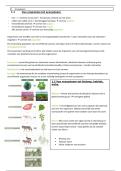
liverworts moss liverworts
Page 2 of 13
, Vascular plants
Terrestrial plants have developed special adaptations to cope in dry
environments. Plants with these adaptations are called vascular plants.
Classification of vascular plants
Vascular plants are divided into:
Seedless plants (reproduce through spores)
Seed-bearing plants (reproduce through seeds)
eg.cone bearing and flowering plants
Adaptations of vascular plants for terrestrial life
1) Prevent desiccation
• A waxy cuticle on aerial parts of plant to prevent desiccation (drying out).
• Stomata (microscopic breathing pores) prevent drying out.
2) Aid nourishment
• Roots absorb water and minerals, anchor the plant, store food
• Vascular tissue: xylem to transport water and minerals; phloem to transport products made during
photosynthesis
• Supporting tissue e.g. xylem to hold leaves to get maximum sunlight
3) Aid reproduction
• Bryophytes and Pterophytes reproduce by means of spores (genetic copies of the parent plant) so they
are vulnerable to drying out
• Gymnosperms and Angiosperms reproduce by means of seeds so they are protected from drying
Seedless plants
Division Pterophyta
• Ferns, whisk ferns, club mosses, horsetails
• Seedless vascular plants
• Better adapted to terrestrial life than Bryophytes
• Larger than Bryophytes
Characteristics of ferns
• Terrestrial or epiphytic (grow on surface of other plants)
• Have true roots, stems and leaves
- Roots grow out of horizontal, underground stem (rhizome)
- Leaves are fronds divided into leaflets and new leaves coiled as push through soil
• Have vascular tissue (xylem and phloem)
• Have thin cuticle and stomata
• Make spores in sporangia on back of leaves called sporophylls.
• Reproduce by means of spores - sporangia dry, burst open and release spores
• Fern plant is sporophyte part of life cycle and independent of gametophyte.
• Gametophyte is very small and produces sperm which need water to swim to the egg therefore ferns
must grow in moist environments
How to recognise ferns
- No flowers, seeds, or cones
- New leaves coiled up, unroll from base up
- Sporangia on undersurface of leaves, occurring in clusters called sori
Page 3 of 13
Page 1 of 13
,Plant diversity
Plant classification
4 major groups:
Bryophytes (non-vascular)
Pterophytes (vascular)
Cone-bearing plants (Gymnosperms)
Flowering plants (Angiosperms)
Criteria used to classify plants: Note
1. Presence/absence of vascular tissue (xylem & phloem) Vascular tissue: Transport system for nutrients using
2. Presence/absence true leaves & roots water.
3. Dependence on water to reproduce Xylem: Vascular tissue which conducts water and
nutrients up from the roots.
4. Seeds or spores
Phloem: Vascular tissue-distributes food from leaves.
5. Cones or flowers
Spores: Reproductive cell-doesn’t require fertilisation.
6. Presence/absence of fruit
What are the main differences between vascular and non-vascular plants?
• Vascular plants possess vascular tissue (xylem and phloem which forms a central column through the
plant)
• In vascular plants the sporophyte phase is larger and more conspicuous generation of the life cycle
Non-vascular plants Reproductive cycle - Alternation of generations
Division Bryophyta One generation (gametophyte) reproduces sexually by producing
gametes-egg and sperm (haploid cells which carry one set of
chromosomes)
• Mosses, liverworts, hornworts When sperm and egg fuse, they give rise to second generation called
• Simplest tiny terrestrial plants sporophyte generation which is asexual. The sporophyte itself is diploid
• No vascular tissue so it already has 2 sets of chromosomes in each cell, and has little
capsule called sporangium which produced haploid reproductive cells
• No true roots or leaves called spores. During its life the sporophyte remains attached to its
• Poorly adapted to life on land parent gametophyte which it relies on for water and nutrients. Once its
• Live in moist, shady places e.g. rocks, trees, soil spores disperse and germinate they in turn produce gametophytes
which turn around to produce another sporophyte generation and so on.
Characteristics of Bryophyta
• Absorb water through their entire surface (no vascular tissue)
• Rhizoids anchor the plant
• No cuticle to prevent water loss
• No strengthening tissue which restricts size (cannot grow tall)
• Homosporous (same size spores) haploid spores
• Need water for sperm to swim to egg
• Life cycle has a well defined alternation of generations
- Gametophyte (haploid) (dominant generation) photosynthesises and
makes gametes.
- Alternates with sporophyte (diploid) which makes haploid spores and is dependent on gametophyte.
- In the moss life cycle the gametophyte alternates with the sporophyte; alternation of generations occurs.
liverworts moss liverworts
Page 2 of 13
, Vascular plants
Terrestrial plants have developed special adaptations to cope in dry
environments. Plants with these adaptations are called vascular plants.
Classification of vascular plants
Vascular plants are divided into:
Seedless plants (reproduce through spores)
Seed-bearing plants (reproduce through seeds)
eg.cone bearing and flowering plants
Adaptations of vascular plants for terrestrial life
1) Prevent desiccation
• A waxy cuticle on aerial parts of plant to prevent desiccation (drying out).
• Stomata (microscopic breathing pores) prevent drying out.
2) Aid nourishment
• Roots absorb water and minerals, anchor the plant, store food
• Vascular tissue: xylem to transport water and minerals; phloem to transport products made during
photosynthesis
• Supporting tissue e.g. xylem to hold leaves to get maximum sunlight
3) Aid reproduction
• Bryophytes and Pterophytes reproduce by means of spores (genetic copies of the parent plant) so they
are vulnerable to drying out
• Gymnosperms and Angiosperms reproduce by means of seeds so they are protected from drying
Seedless plants
Division Pterophyta
• Ferns, whisk ferns, club mosses, horsetails
• Seedless vascular plants
• Better adapted to terrestrial life than Bryophytes
• Larger than Bryophytes
Characteristics of ferns
• Terrestrial or epiphytic (grow on surface of other plants)
• Have true roots, stems and leaves
- Roots grow out of horizontal, underground stem (rhizome)
- Leaves are fronds divided into leaflets and new leaves coiled as push through soil
• Have vascular tissue (xylem and phloem)
• Have thin cuticle and stomata
• Make spores in sporangia on back of leaves called sporophylls.
• Reproduce by means of spores - sporangia dry, burst open and release spores
• Fern plant is sporophyte part of life cycle and independent of gametophyte.
• Gametophyte is very small and produces sperm which need water to swim to the egg therefore ferns
must grow in moist environments
How to recognise ferns
- No flowers, seeds, or cones
- New leaves coiled up, unroll from base up
- Sporangia on undersurface of leaves, occurring in clusters called sori
Page 3 of 13