
Best selling Inspire Physics notes
Interview
Representing Motion: where and when (pt.1)
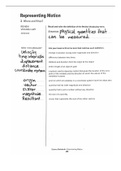
PopularIn unit 1, Representing Motion, lesson 2, Where and When, students will learn when and how coordinate systems are used. Terms such as velocity, time intervals, displacement, distance, vectors, scalar, magnitude, and resultants are introduced. Terms are defined thoroughly with equations brought to further expand concepts such as displacement.
 rautasa
Interview
Representing Motion: where and when (pt.2)
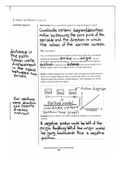
PopularIn unit 1, Representing Motion, lesson 2, Where and When, students will learn when and how coordinate systems are used. Terms such as velocity, time intervals, displacement, distance, vectors, scalar, magnitude, and resultants are introduced. Terms are defined thoroughly with equations brought to further expand concepts such as displacement.
rautasa
Interview
Representing Motion: where and when (pt.3)
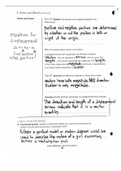
PopularIn unit 1, Representing Motion, lesson 2, Where and When, students will learn when and how coordinate systems are used. Terms such as velocity, time intervals, displacement, distance, vectors, scalar, magnitude, and resultants are introduced. Terms are defined thoroughly with equations brought to further expand concepts such as displacement.
rautasa
Interview
Representing Motion: where and when (pt.4)
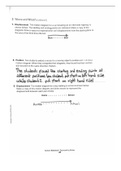
PopularIn unit 1, Representing Motion, lesson 2, Where and When, students will learn when and how coordinate systems are used. Terms such as velocity, time intervals, displacement, distance, vectors, scalar, magnitude, and resultants are introduced. Terms are defined thoroughly with equations brought to further expand concepts such as displacement.
rautasa
Newest Inspire Physics summaries
Interview
Representing Motion: where and when (pt.4)
NewIn unit 1, Representing Motion, lesson 2, Where and When, students will learn when and how coordinate systems are used. Terms such as velocity, time intervals, displacement, distance, vectors, scalar, magnitude, and resultants are introduced. Terms are defined thoroughly with equations brought to further expand concepts such as displacement.
rautasa
Interview
Representing Motion: where and when (pt.3)
NewIn unit 1, Representing Motion, lesson 2, Where and When, students will learn when and how coordinate systems are used. Terms such as velocity, time intervals, displacement, distance, vectors, scalar, magnitude, and resultants are introduced. Terms are defined thoroughly with equations brought to further expand concepts such as displacement.
rautasa
Interview
Representing Motion: where and when (pt.2)
NewIn unit 1, Representing Motion, lesson 2, Where and When, students will learn when and how coordinate systems are used. Terms such as velocity, time intervals, displacement, distance, vectors, scalar, magnitude, and resultants are introduced. Terms are defined thoroughly with equations brought to further expand concepts such as displacement.
rautasa
Interview
Representing Motion: where and when (pt.1)
NewIn unit 1, Representing Motion, lesson 2, Where and When, students will learn when and how coordinate systems are used. Terms such as velocity, time intervals, displacement, distance, vectors, scalar, magnitude, and resultants are introduced. Terms are defined thoroughly with equations brought to further expand concepts such as displacement.
rautasa
Interview
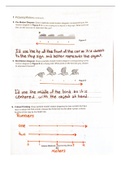
Representing Motion: picturing motion(pt.5)
NewIn unit 1, representing motion, lesson 1, Picturing Motion, students will learn how to represent the motion of an object using various methods. Methods of representing motion include motion diagrams and particle models. Examples provided within notes. If the textbook, Inspire Physics, is unavailable to you please contact me at:
rautasa
Interview
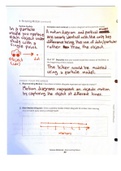
Representing Motion: picturing motion(pt.4)
NewIn unit 1, representing motion, lesson 1, Picturing Motion, students will learn how to represent the motion of an object using various methods. Methods of representing motion include motion diagrams and particle models. Examples provided within notes. If the textbook, Inspire Physics, is unavailable to you please contact me at:
rautasa
Interview
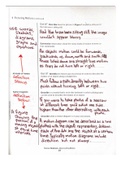
Representing Motion: picturing motion(pt.3)
NewIn unit 1, representing motion, lesson 1, Picturing Motion, students will learn how to represent the motion of an object using various methods. Methods of representing motion include motion diagrams and particle models. Examples provided within notes. If the textbook, Inspire Physics, is unavailable to you please contact me at:
rautasa
Interview
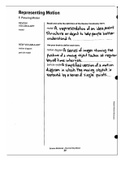
Representing motion: picturing motion (pt.2)
NewIn unit 1, representing motion, lesson 1, Picturing Motion, students will learn how to represent the motion of an object using various methods. Methods of representing motion include motion diagrams and particle models. Examples provided within notes. If the textbook, Inspire Physics, is unavailable to you please contact me at:
rautasa
Interview
Representing Motion: picturing motion (pt.1)
NewIn unit 1, representing motion, lesson 1, Picturing Motion, students will learn how to represent the motion of an object using various methods. Methods of representing motion include motion diagrams and particle models. Examples provided within notes. If the textbook, Inspire Physics, is unavailable to you please contact me at:
rautasa