

Exam (elaborations)
Test Bank for Bioethics: Principles, Issues, and Cases, 4th Edition by Lewis Vaughn (Chapters 1–18) | Verified Questions & Answers
NewMaster your coursework and ace your exams with the comprehensive Test Bank for Bioethics: Principles, Issues, and Cases, 4th Edition by Lewis Vaughn. Whether you are studying nursing, medicine, philosophy, or public health ethics, this official test bank provides you with the precise practice questions and verified answers needed to thoroughly understand complex ethical dilemmas, moral theories, and healthcare policies.What’s Included:Complete Coverage: Spans all chapters (Chapters 1 through...
 testbankmaster0134
Class notes
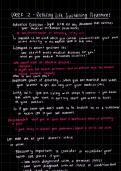
Refusing life sustaining treatment
NewBioethics on refusing life-sustaining treatment focuses on a patient’s right to make decisions about their own medical care. A key principle is autonomy, meaning competent patients can refuse treatments like ventilators, feeding tubes, or CPR even if it may lead to death. This right is supported by tools like advance directives and DNR orders. While healthcare providers follow beneficence and nonmaleficence (doing good and avoiding harm), they must still respect patient choices if the patient...
 lilyj18
Class notes
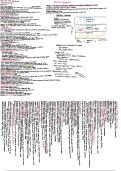
Refusing life sustaining treatment
NewBioethics on refusing life-sustaining treatment focuses on a patient’s right to make decisions about their own medical care. A key principle is autonomy, meaning competent patients can refuse treatments like ventilators, feeding tubes, or CPR even if it may lead to death. This right is supported by tools like advance directives and DNR orders. While healthcare providers follow beneficence and nonmaleficence (doing good and avoiding harm), they must still respect patient choices if the patient...
lilyj18
Class notes
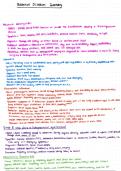
Refusing life sustaining treatment
NewBioethics on refusing life-sustaining treatment focuses on a patient’s right to make decisions about their own medical care. A key principle is autonomy, meaning competent patients can refuse treatments like ventilators, feeding tubes, or CPR even if it may lead to death. This right is supported by tools like advance directives and DNR orders. While healthcare providers follow beneficence and nonmaleficence (doing good and avoiding harm), they must still respect patient choices if the patient...
lilyj18