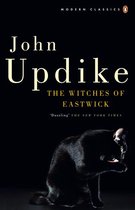
The Portrayal of Same-sex Attractions in The Witches of Eastwick
When reading The Witches of Eastwick by John Updike it would seem obvious the
main characters have same-sex attractions. The witches talk about their attraction
towards other women, and Darryl has a relationship with a man. The characters do
keep their attractions very private. That is why the way same-sex attractions are
portrayed in The Witches of Eastwick corresponds with the time the book takes place
in, the late 1960s.
Even though it is obvious that the witches have same-sex attractions, they never act
on these attractions. The witches talk about their attractions to women multiple times
‘“Oh,” Sukie answered tantalizingly. “How cozy we are. How much we’ve
discovered we prefer women to men, and so on.”’ (Updike, 1984, p. 73)
((Analysis))
“Alexandra experienced a wish to stroke that long flat stretch from the other
woman’s breasts to below her waist” (Updike, 1984, p. 51)
But nowhere in the book do they act on their attractions, instead they seek after
sexual relationships with men. They all end up in a marriage with a man at the end.
This coincides with the way same-sex attractions were at the time the book takes
place in, the late 1960s, because same-sex marriage was not legal yet, and people
within the lgbtq+ community were highly discriminated against.
As a result of this, it was very common for people who were attracted to the same
sex to marry someone of the opposite sex even though they felt no attraction to them
romantically or sexually. This is confirmed in an article by Kevin John Zimmerman
from Iowa State University about homosexual men in heterosexual relationships. The
article states that multiple men have a relationship with a heterosexual man to
eradicate their feelings towards someone of the same sex. “Some have reported
marrying because they believed that doing so would lessen or eliminate their same-
When reading The Witches of Eastwick by John Updike it would seem obvious the
main characters have same-sex attractions. The witches talk about their attraction
towards other women, and Darryl has a relationship with a man. The characters do
keep their attractions very private. That is why the way same-sex attractions are
portrayed in The Witches of Eastwick corresponds with the time the book takes place
in, the late 1960s.
Even though it is obvious that the witches have same-sex attractions, they never act
on these attractions. The witches talk about their attractions to women multiple times
‘“Oh,” Sukie answered tantalizingly. “How cozy we are. How much we’ve
discovered we prefer women to men, and so on.”’ (Updike, 1984, p. 73)
((Analysis))
“Alexandra experienced a wish to stroke that long flat stretch from the other
woman’s breasts to below her waist” (Updike, 1984, p. 51)
But nowhere in the book do they act on their attractions, instead they seek after
sexual relationships with men. They all end up in a marriage with a man at the end.
This coincides with the way same-sex attractions were at the time the book takes
place in, the late 1960s, because same-sex marriage was not legal yet, and people
within the lgbtq+ community were highly discriminated against.
As a result of this, it was very common for people who were attracted to the same
sex to marry someone of the opposite sex even though they felt no attraction to them
romantically or sexually. This is confirmed in an article by Kevin John Zimmerman
from Iowa State University about homosexual men in heterosexual relationships. The
article states that multiple men have a relationship with a heterosexual man to
eradicate their feelings towards someone of the same sex. “Some have reported
marrying because they believed that doing so would lessen or eliminate their same-