CMY2603 SUMMARY EXAM PREP.
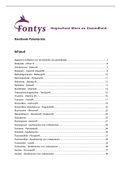
STUDY UNIT 1.1:THE NATURE AND EXTENT OF CHILD AND YOUTH MISBEHAVIOUR 1 1.1.1 Introduction 2 1.1.2 Key concepts 2 1.1.2.1 Child 2 1.1.2.2 Youth 2 1.1.2.3 Misbehaviour 2 1.1.2.4 Criminaloffences,crime or unlawfulness 2 1.1.3 Biographical factors in child and youth misbehaviour 2 1.1.4 The nature of child and youth misbehaviour 2 1.1.4.1 Status offences 2 1.1.4.2 Characteristics of child and youth offences 3 1.1.4.3 Sexualoffences 4 1.1.4.4 Violent offences 4 1.1.5 Extent of child and youth misbehaviour in South Africa 5 1.1.5.1 Officialcrime information and unofficial crime information sources 5 1.1.6Summary 5 1.1.7 Self-assessment questions 5 1.1.8 Feedback on activity 5 1.1.9 Feedback on self-assessment questions 6 STUDY UNIT 2.2:CRIMINOGENIC FACTORS FOR JUVENILE OFFENDERS7 2.2.1 Introduction 7 2.2.2 Key concepts 8 2.2.2.1 Risk factors 8 2.2.2.2 Youth misbehaviour 8 2.2.2.3 At-Risk adolescent 8 2.2.3 Risk factors on a social level 11 2.2.3.1 Risk factors in the community or neighbourhood 11 2.2.3.1.1Economic inequality and relative deprivation 11 2.2.3.1.2Unemployment 11 2.2.3.1.3Community disorganisation 12 2.2.3.1.4Availability of alcohol and drugs 12 2.2.3.1.5Criminally orientated attitudes and beliefs and criminal involvement 12 2.2.3.1.6Climate of violence 12 2.2.3.1.7Disregard of the law by government agencies 12 2.2.4 Risk factors in the family 13 CMY2603 SUMMARY EXAM PREP. 2.2.4.1 Socioeconomic status of the family 13 2.2.4.2 Incomplete family 13 2.2.4.3 Lack of parental supervision 14 2.2.4.4 Parent and sibling criminality or antisocial behaviour 14 2.2.4.5 Family violence and abuse 14 2.2.4.6The loss of home 15 2.2.5 Risk factors in the school 15 2.2.5.1 Conditions in the school 15 2.2.5.2 Dysfunctional schoolsystem 16 2.2.5.3 Discrepancy between independent schools and public schools 16 2.2.5.4 The learner 17 2.2.5.5 The educator/teacher 17 2.2.5.6Extra-family relationship variables 18 2.2.5.7 Antisocialpeer associations 18 2.2.5.8 Gang membership 18 2.2.6Risk factors on an individuallevel 18 2.2.6.1 Biographical variables 19 2.2.6.1.1Age 19 2.2.6.1.2Gender 19 2.2.6.1.3Racialor ethnic background 19 2.2.6.2 Biosocialfactors 20 2.2.6.2.1Biochemical factors 20 2.2.6.2.2Neurophysiological factors 20 2.2.6.2.3Genetic factors 20 2.2.6.3 Psychosocial factors 20 2.2.6.3.1Intelligence as a crime-risk factor 20 2.2.6.3.2Personality traits 20 2.2.6.3.3Antisocialpersonalities 21 2.2.6.4 Risk factors based on foreign research findings 22 2.2.6.5 Risk factors based on South African research findings23 2.2.6.5.1Caregivers (disintegration of family life in South Africa)24 2.2.6.5.2Institutional deficiencies 24 2.2.6.5.3Economic deprivation 24 2.2.7 Conclusion 24 2.2.8 Answers to the self-assessment questions 25 STUDY UNIT 3.3:THE PREVENTION AND CONTROL OF YOUTH MISBEHAVIOUR IN SOUTH AFRICA 26 3.3.1 Introduction 26 3.3.2 Key concepts 27 3.3.3 Risk factors 27 3.3.4 International background 28 3.3.5 Primary prevention level 28 3.3.5.1 The role of the family at primary level 28 3.3.5.2 The role of mentors 28 3.3.5.3 The role of the school 28 3.3.5.4 The role of media in education 28 3.3.5.5 The role of the police 28 3.3.5.6The role of government and society 28 3.3.6Secondary prevention level 29 3.3.6.1 The role of the school in secondary prevention 29 3.3.6.2 The Tiisa Thuto Project 29 3.3.7 Tertiary prevention level 29 3.3.7.1 Diversion 29 3.3.7.2 Court procedures and imprisonment 33 3.3.8 Summary 33 3.3.9 Questions for self- assessment 33 3.3.10 Feedback on activities 34 3.3.11 Feedback on self-assessment questions 34 LIST OF REFERENCES 3

Geschreven voor
- Instelling
- University of South Africa
- Vak
- CMY2603 - Child And Youth Misbehaviour
Documentinformatie
- Geüpload op
- 28 november 2021
- Aantal pagina's
- 43
- Geschreven in
- 2021/2022
- Type
- Tentamen (uitwerkingen)
- Bevat
- Vragen en antwoorden
Onderwerpen
-
cmy2603 summary exam prep