Exam 2 study guide
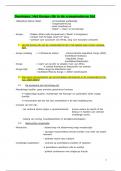
Acid-Base Imbalances
1) Be able to interpret ABG values. Also, be able to know the anticipated values for each acid-base
imbalance.
ABG Arterial Blood Gas
PaO2 80-100mm Hg
SaO2 (Oxygen saturation) > 95%
2) Describe the systems that maintain acid-base homeostasis.
1carbonic acid: 20 base bicarbonate
Buffer systems:
Phosphate phosphate binds to hydrogen and excretes through urine (happens when
bloods has too much hydrogen aka acidic)
Protein Subsystems
o Hemoglobin Only RBC, release hydrogen when needed (happens when blood
is alkaline does not have enough hydrogen)
o Amino acid all proteins very flexible can release or bind to hydrogen when
needed (blood basic release H ions) (blood acidic bind to H ions to become more
basic)
o Plasma Protein Protein in the blood (albumin) Can release the hydrogen ion
Binds to calcium = reducing calcium levels
causes hypocalcemia
Hydrogen/Potassium Exchange
o Acidic Blood -> Potassium comes in when H+ is kicked out of blood, to maintain
charge (Hyperkalemia)
o Alkaline Blood -> Potassium leaves the place H+ coming in to maintain charge
(Hypokalemia)
Carbonic acid- bicarbonate
o Blood Acidotic State: (From pic above goes right to left)
Hydrogen levels increase
Bicarbonate (HCO3) combine w H+, Carbonic acid breaks down =
breath out CO2 (Goal to reduce H+)
o Blood Alkalotic state: (From pic above goes left to right)
Hydrogen levels decrease
Break down H2CO3 to gain H+ (Goal to increase H+)
Respiratory system
, o Increase respiratory rate, decrease CO2 (Exhale more) = Acid decreases
o Decrease respiratory rate, increase CO2 ( Do not release much)= acid increase
Renal System
o Main goal-> Eliminate H+ and Reabsorb HCO3
o Blood acidotic (increase H+) - increase elimination of H+, increase reabsorptions
of HCO3
o Blood alkalotic (decrease H+)- decrease elimination of H+, decrease reabsorption
of HCO3
3) Identify patients who are at risk for each acid-base imbalance. Be able to explain the
pathophysiology for each. Identify potential acid-base imbalances given clinical manifestations
and a clinical scenario.
Respiratory Acidosis carbonic acid excess
o At Risk-> Cannot catch my breath (bronchitis, pulmonary edema, emphysema,
pneumonia)
Hypoventilation
Respiratory depression
Inadequate chest expansion
Airway Obstruction
Impaired alveolar-capillary exchange
o Pathophysiology->
Not breathing out CO2 = too much CO2 remaining in system leads to
excess H+ ions
o Acid Base Imbalance->
pH< 7.35
PaCO2 > 45mm Hg
Respiratory Alkalosis carbonic acid deficit
o At Risk-> Breathing too fast
Hyperventilation
Hysteria/anxiety, pain, fever, alcohol withdrawing
Stimulates brainstem: acetylsalicylic overdose, meningitis, head injury,
sepsis, hypoxemia
o Pathophysiology->
Breathing too much CO2 = H+ unable to be created causing alkalosis
o Acid Base Imbalance->
pH > 7.45
PaCO2 < 35 mm Hg
Metabolic Acidosis bicarbonate deficit
o At Risk-> Unable to excrete H+, or unable to reabsorb HCO3
Ketoacidosis
Latic acid accumulation
Sever prolonged diarrhea (loss base = acid problem)
Kidney disease
Malnutrition
Excessive acetylsalicylic acid (aka aspirin)
o Pathophysiology->
Not reabsorbing HCO3 = can’t excrete CO2 through respiration after its
breakdown
Want them to breath more increase respiratory rate
o Acid Base Imbalance->
pH < 7.35
, HCO3
Metabolic Alkalosis bicarbonate excess
o At Risk-> excreting too much H+ and reabsorbing too much HCO3
Prolonged committing or gastric suction
Prolonged diuretic therapy
Massive blood transfusion
Hyperaldosteronism- excretes K+, hypokalemia
Kicks out H+, K+ (potassium) goes in
Antacid abuse
o Pathophysiology->
Too much carbonate being made CO2 is being released, causing
reduction H+ = making blood basic
o Acid Base Imbalance->
pH > 7.45
HCO3
4) Discuss the compensatory mechanisms, common signs and symptoms, and interventions for each
acid-base imbalance.
Respiratory Acidosis carbonic acid excess
o Compensation
Kidneys reabsorb HCO3 and excrete H+
o Signs/Symptoms
Low blood pressure, warm flushed skin
Hyperkalemia, Dysrhythmia
Hypoventilation w hypoxia
Headache, drowsy, blurred vision, disoriented, coma
o Interventions
Assess and monitor respiratory status
Monitor ABG, ECG, electrolyte (K-potassium)
High Fowler’s position
Oxygen therapy
Pursed lip breathing (increasing CO2)
Pulmonary hygiene
o Treatment
Bronchodilators (help open airway)
Antibiotics
Mucolytics
Steroids
Binders
Respiratory Alkalosis carbonic acid deficit
o Compensation
Rarely occurs
o Signs/Symptoms
Lightheaded, lethargic, confused
Nausea, vomiting
Hypokalemia
Hypocalcemia, tetany, numbness, tingling of extremities, seizures
Dysrhythmias
o Interventions
Assess and monitor respiratory status
Monitor ABG, ECG, electrolytes (K-potassium, Ca- calcium)
, Provide calm environment, breath slow, relaxation techniques,
REBREATH CO2 (paper bag)
Protect from injury
o Treatment
Treat the cause of hypoxemia
Sedatives
Anti-anxiety medications
Metabolic Acidosis bicarbonate deficit
o Compensation
Release more CO2 through respiration, decrease plasma CO2
Kussmaul respiration-> deep & rapid (involuntary)
Kidney reabsorbs HCO3 and excrete H+
o Signs/Symptoms
Hyperkalemia, dysrhythmia
Abdominal pain, diarrhea
Low blood pressure, cold clammy skin
Kussmaul breathing- deep rapid respirations
o Interventions
Monitor VS & respiratory status, ABG, ECG, K+
Assess level of consciousness + input & output
Diabetic ketoacidosis
o Treatment
Treat cause
Metabolic Alkalosis base bicarbonate excess
o Compensation
Reduce respiratory rate. Increase plasma CO2
Kidney->
Decrease excretion H+
Decrease reabsorption of HCO3
Excrete HCO3
o Signs/Symptoms
Hypokalemia, hypocalcemia
Dysrhythmia
Hypoventilation
Drowsy, dizzy, & confused
o Interventions
Monitor VS & respiratory status, ABG ECG, K+, Ca+
Assess level of consciousness, input & output
Protect from injury, teach use of antacids, teach signs of hypokalemia
o Treatment
Treat underlying problem
CI (chloride) administration to enhance renal absorption of Na+ &
excretion OF HCO3
5) Discuss the electrolytes imbalance associated with acid-base imbalance. Understand the
pathophysiology.
Respiratory Acidosis carbonic acid excess
o Hyperkalemia:
Hydrogen-Potassium exchange buffer:
Acidic Blood
Acid-Base Imbalances
1) Be able to interpret ABG values. Also, be able to know the anticipated values for each acid-base
imbalance.
ABG Arterial Blood Gas
PaO2 80-100mm Hg
SaO2 (Oxygen saturation) > 95%
2) Describe the systems that maintain acid-base homeostasis.
1carbonic acid: 20 base bicarbonate
Buffer systems:
Phosphate phosphate binds to hydrogen and excretes through urine (happens when
bloods has too much hydrogen aka acidic)
Protein Subsystems
o Hemoglobin Only RBC, release hydrogen when needed (happens when blood
is alkaline does not have enough hydrogen)
o Amino acid all proteins very flexible can release or bind to hydrogen when
needed (blood basic release H ions) (blood acidic bind to H ions to become more
basic)
o Plasma Protein Protein in the blood (albumin) Can release the hydrogen ion
Binds to calcium = reducing calcium levels
causes hypocalcemia
Hydrogen/Potassium Exchange
o Acidic Blood -> Potassium comes in when H+ is kicked out of blood, to maintain
charge (Hyperkalemia)
o Alkaline Blood -> Potassium leaves the place H+ coming in to maintain charge
(Hypokalemia)
Carbonic acid- bicarbonate
o Blood Acidotic State: (From pic above goes right to left)
Hydrogen levels increase
Bicarbonate (HCO3) combine w H+, Carbonic acid breaks down =
breath out CO2 (Goal to reduce H+)
o Blood Alkalotic state: (From pic above goes left to right)
Hydrogen levels decrease
Break down H2CO3 to gain H+ (Goal to increase H+)
Respiratory system
, o Increase respiratory rate, decrease CO2 (Exhale more) = Acid decreases
o Decrease respiratory rate, increase CO2 ( Do not release much)= acid increase
Renal System
o Main goal-> Eliminate H+ and Reabsorb HCO3
o Blood acidotic (increase H+) - increase elimination of H+, increase reabsorptions
of HCO3
o Blood alkalotic (decrease H+)- decrease elimination of H+, decrease reabsorption
of HCO3
3) Identify patients who are at risk for each acid-base imbalance. Be able to explain the
pathophysiology for each. Identify potential acid-base imbalances given clinical manifestations
and a clinical scenario.
Respiratory Acidosis carbonic acid excess
o At Risk-> Cannot catch my breath (bronchitis, pulmonary edema, emphysema,
pneumonia)
Hypoventilation
Respiratory depression
Inadequate chest expansion
Airway Obstruction
Impaired alveolar-capillary exchange
o Pathophysiology->
Not breathing out CO2 = too much CO2 remaining in system leads to
excess H+ ions
o Acid Base Imbalance->
pH< 7.35
PaCO2 > 45mm Hg
Respiratory Alkalosis carbonic acid deficit
o At Risk-> Breathing too fast
Hyperventilation
Hysteria/anxiety, pain, fever, alcohol withdrawing
Stimulates brainstem: acetylsalicylic overdose, meningitis, head injury,
sepsis, hypoxemia
o Pathophysiology->
Breathing too much CO2 = H+ unable to be created causing alkalosis
o Acid Base Imbalance->
pH > 7.45
PaCO2 < 35 mm Hg
Metabolic Acidosis bicarbonate deficit
o At Risk-> Unable to excrete H+, or unable to reabsorb HCO3
Ketoacidosis
Latic acid accumulation
Sever prolonged diarrhea (loss base = acid problem)
Kidney disease
Malnutrition
Excessive acetylsalicylic acid (aka aspirin)
o Pathophysiology->
Not reabsorbing HCO3 = can’t excrete CO2 through respiration after its
breakdown
Want them to breath more increase respiratory rate
o Acid Base Imbalance->
pH < 7.35
, HCO3
Metabolic Alkalosis bicarbonate excess
o At Risk-> excreting too much H+ and reabsorbing too much HCO3
Prolonged committing or gastric suction
Prolonged diuretic therapy
Massive blood transfusion
Hyperaldosteronism- excretes K+, hypokalemia
Kicks out H+, K+ (potassium) goes in
Antacid abuse
o Pathophysiology->
Too much carbonate being made CO2 is being released, causing
reduction H+ = making blood basic
o Acid Base Imbalance->
pH > 7.45
HCO3
4) Discuss the compensatory mechanisms, common signs and symptoms, and interventions for each
acid-base imbalance.
Respiratory Acidosis carbonic acid excess
o Compensation
Kidneys reabsorb HCO3 and excrete H+
o Signs/Symptoms
Low blood pressure, warm flushed skin
Hyperkalemia, Dysrhythmia
Hypoventilation w hypoxia
Headache, drowsy, blurred vision, disoriented, coma
o Interventions
Assess and monitor respiratory status
Monitor ABG, ECG, electrolyte (K-potassium)
High Fowler’s position
Oxygen therapy
Pursed lip breathing (increasing CO2)
Pulmonary hygiene
o Treatment
Bronchodilators (help open airway)
Antibiotics
Mucolytics
Steroids
Binders
Respiratory Alkalosis carbonic acid deficit
o Compensation
Rarely occurs
o Signs/Symptoms
Lightheaded, lethargic, confused
Nausea, vomiting
Hypokalemia
Hypocalcemia, tetany, numbness, tingling of extremities, seizures
Dysrhythmias
o Interventions
Assess and monitor respiratory status
Monitor ABG, ECG, electrolytes (K-potassium, Ca- calcium)
, Provide calm environment, breath slow, relaxation techniques,
REBREATH CO2 (paper bag)
Protect from injury
o Treatment
Treat the cause of hypoxemia
Sedatives
Anti-anxiety medications
Metabolic Acidosis bicarbonate deficit
o Compensation
Release more CO2 through respiration, decrease plasma CO2
Kussmaul respiration-> deep & rapid (involuntary)
Kidney reabsorbs HCO3 and excrete H+
o Signs/Symptoms
Hyperkalemia, dysrhythmia
Abdominal pain, diarrhea
Low blood pressure, cold clammy skin
Kussmaul breathing- deep rapid respirations
o Interventions
Monitor VS & respiratory status, ABG, ECG, K+
Assess level of consciousness + input & output
Diabetic ketoacidosis
o Treatment
Treat cause
Metabolic Alkalosis base bicarbonate excess
o Compensation
Reduce respiratory rate. Increase plasma CO2
Kidney->
Decrease excretion H+
Decrease reabsorption of HCO3
Excrete HCO3
o Signs/Symptoms
Hypokalemia, hypocalcemia
Dysrhythmia
Hypoventilation
Drowsy, dizzy, & confused
o Interventions
Monitor VS & respiratory status, ABG ECG, K+, Ca+
Assess level of consciousness, input & output
Protect from injury, teach use of antacids, teach signs of hypokalemia
o Treatment
Treat underlying problem
CI (chloride) administration to enhance renal absorption of Na+ &
excretion OF HCO3
5) Discuss the electrolytes imbalance associated with acid-base imbalance. Understand the
pathophysiology.
Respiratory Acidosis carbonic acid excess
o Hyperkalemia:
Hydrogen-Potassium exchange buffer:
Acidic Blood