List of concepts
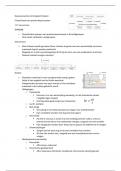
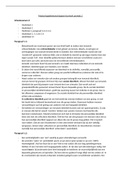
1. introduction & core statistical concepts (les 1)
1.1 The nature of quantitative research
● Quantitative Research:
○ uses measurable data and statistical techniques to gather and analyse information
○ kwantitatieve gegevens
○ onderzoeksdoelstellingen: patterns and generalizations
○ + objective interpretation, principle of falcification
○ - vooroordelen en vereenvoudiging
● Qualitative Research:
○ Onderzoek dat ook antwoord heeft op WAAROM mensen iets denken
○ non-numeric data: interviews, observations, communication
● Behavioral vs Attitudinal Research (quantitative):
○ Behavioral Research:
■ Begrijpen hoe mensen zich gedragen in bepaalde situaties
■ Experimenten om gedrag te meten en te kwantificeren
■ Observeren
○ Attitudinal Research:
■ Investigates individuals' attitudes, beliefs, opinions
■ surveys, interviews, or other techniques to gather subjective data about
thoughts and feelings
● Types of Quantitative Research:
○ Surveys:
■ collecting data from sample of individuals to gather information about their
opinions, attitudes, behaviors
○ Experiments:
■ change one or more variables
■ observe effect on another variable
■ conclusive trekken
○ A/B testing (experiment) :
■ compare two versions (A and B) and determine which performs better.
, ○ Eye tracking:
■ measures eye movement to understand visual attention
○ Physiometric data:
■ physiological responses to stimuli
■ providing insights into emotional and cognitive processes.
■ e.g., heart rate, skin conductance
○ Econometrics:
■ Apply statistical methods to economic data
● To test hypotheses and forecast future trends
○ Forecasting:
■ Predicting future values or trends based on historical data and analytical
models.
● Inferential Statistics:
○ Sample from data of total population to draw conclusions
○ Goal: estimate reliability and precision of these generalizations
○ = schatting van populatieparameters
○ significantie tests kunnen 2 soorten fouten hebben:
■ Type I & Type II
● Falsification (Karl Popper):
○ Hypotheses zo formuleren zodat ze fout bewezen kunnen worden door empirical
testing
○ Empirical testing:
■ juist of fout bewijzen van hypothese, door observaties, experimenten, real
world data
● Post-Positivism:
○ = recognize that an interpretation is possible
○ how certain positivism is about facts?
■ researchers bring their own views
■ social things are complicated and depend on the situation
● Interpretivism:
○ looking at human behaviour that cares about personal feelings and the situations
people are in
○ important to understand what individuals mean, what they want and how the social
setting affects them
● Epistemology:
○ Hoe kennis verkregen en geinterpeteerd word
,● Constructivism:
○ Not one reality, everyone creates their own
○ Perspective that views reality as socially constructed, stating the role and social
interactions of someone, in shaping knowledge and understanding
● Bias:
○ having a leaning or favoring towards one side, which can influence how we judge or
decide things
■ make information unfair or not accurate
● The Aura of Mechanical Objectivity:
○ always some personal influence, even if we try to be fair and neutral
○ complete objectivity is hard to achieve
● The NHST (Null Hypothesis Significance Testing) Cycle:
○ A process where we check if there's a significant difference between groups
○ helps us decide if our ideas are supported by the data
● Validity:
○ Internal :
■ Do I measure what I want to measure
○ Ecological :
■ Will this measure be the same in a real world environment
○ External :
■ Can it be generalized to a broader population
○ Robustness/ reliability:
■ Will it be the same if I measure agian
○ Replicability:
■ Does my report allow reproduction of my research
● Research Questions:
○ what we want to find out in a study
○ Specific and measurable
, ● Hypotheses:
○ grounded expectations/statements on what we think will happen in this context
○ statements we test to see if they're true or not.
● Cross-Sectional Research Designs:
○ More than one case (variation between cases)
○ Gemeten op 1 tijdstip: no causal conclusions possible
○ Patterns of association (relationships between variables)
● Longitudinal Research Designs:
○ More than one case (variation between cases)
○ Gemeten op meerdere tijdstippen: causal conclusions possible
○ Patterns of association (relationships between variables)
● Causality:
○ When one thing makes another thing happen
○ Figuring out if a change in one factor directly causes a change in another
■ causal research designs needed
1.2 Core statistical concepts
● Univariate, bivariate and multivariate analyses:
○ Univariate Analysis:
■ one variable at a time
■ studying characteristics & patterns without considering other variables
○ Bivariate Analysis:
■ relationship between two variables
■ examining how changes in one might be connected to changes in the other
○ Multivariate Analysis:
■ more than two variables at the same time
■ understand complex relationships among them
● Conceptualisation & operationalisation:
○ Conceptualisation:
■ How the concept is defined for the hypothesis
○ Operationalisation:
■ How the concept is measured
● Objective vs Subjective Measurements:
○ Objective measurements:
■ Based on clear facts, events, behavior
○ Subjective measurements:
■ Based on personal opinions or feelings, attitudes & opinions
● Binary Data, Nominal Data, Ordinal Data & Metric Data:
○ Binary Data:
■ only two outcomes (true, false)
1. introduction & core statistical concepts (les 1)
1.1 The nature of quantitative research
● Quantitative Research:
○ uses measurable data and statistical techniques to gather and analyse information
○ kwantitatieve gegevens
○ onderzoeksdoelstellingen: patterns and generalizations
○ + objective interpretation, principle of falcification
○ - vooroordelen en vereenvoudiging
● Qualitative Research:
○ Onderzoek dat ook antwoord heeft op WAAROM mensen iets denken
○ non-numeric data: interviews, observations, communication
● Behavioral vs Attitudinal Research (quantitative):
○ Behavioral Research:
■ Begrijpen hoe mensen zich gedragen in bepaalde situaties
■ Experimenten om gedrag te meten en te kwantificeren
■ Observeren
○ Attitudinal Research:
■ Investigates individuals' attitudes, beliefs, opinions
■ surveys, interviews, or other techniques to gather subjective data about
thoughts and feelings
● Types of Quantitative Research:
○ Surveys:
■ collecting data from sample of individuals to gather information about their
opinions, attitudes, behaviors
○ Experiments:
■ change one or more variables
■ observe effect on another variable
■ conclusive trekken
○ A/B testing (experiment) :
■ compare two versions (A and B) and determine which performs better.
, ○ Eye tracking:
■ measures eye movement to understand visual attention
○ Physiometric data:
■ physiological responses to stimuli
■ providing insights into emotional and cognitive processes.
■ e.g., heart rate, skin conductance
○ Econometrics:
■ Apply statistical methods to economic data
● To test hypotheses and forecast future trends
○ Forecasting:
■ Predicting future values or trends based on historical data and analytical
models.
● Inferential Statistics:
○ Sample from data of total population to draw conclusions
○ Goal: estimate reliability and precision of these generalizations
○ = schatting van populatieparameters
○ significantie tests kunnen 2 soorten fouten hebben:
■ Type I & Type II
● Falsification (Karl Popper):
○ Hypotheses zo formuleren zodat ze fout bewezen kunnen worden door empirical
testing
○ Empirical testing:
■ juist of fout bewijzen van hypothese, door observaties, experimenten, real
world data
● Post-Positivism:
○ = recognize that an interpretation is possible
○ how certain positivism is about facts?
■ researchers bring their own views
■ social things are complicated and depend on the situation
● Interpretivism:
○ looking at human behaviour that cares about personal feelings and the situations
people are in
○ important to understand what individuals mean, what they want and how the social
setting affects them
● Epistemology:
○ Hoe kennis verkregen en geinterpeteerd word
,● Constructivism:
○ Not one reality, everyone creates their own
○ Perspective that views reality as socially constructed, stating the role and social
interactions of someone, in shaping knowledge and understanding
● Bias:
○ having a leaning or favoring towards one side, which can influence how we judge or
decide things
■ make information unfair or not accurate
● The Aura of Mechanical Objectivity:
○ always some personal influence, even if we try to be fair and neutral
○ complete objectivity is hard to achieve
● The NHST (Null Hypothesis Significance Testing) Cycle:
○ A process where we check if there's a significant difference between groups
○ helps us decide if our ideas are supported by the data
● Validity:
○ Internal :
■ Do I measure what I want to measure
○ Ecological :
■ Will this measure be the same in a real world environment
○ External :
■ Can it be generalized to a broader population
○ Robustness/ reliability:
■ Will it be the same if I measure agian
○ Replicability:
■ Does my report allow reproduction of my research
● Research Questions:
○ what we want to find out in a study
○ Specific and measurable
, ● Hypotheses:
○ grounded expectations/statements on what we think will happen in this context
○ statements we test to see if they're true or not.
● Cross-Sectional Research Designs:
○ More than one case (variation between cases)
○ Gemeten op 1 tijdstip: no causal conclusions possible
○ Patterns of association (relationships between variables)
● Longitudinal Research Designs:
○ More than one case (variation between cases)
○ Gemeten op meerdere tijdstippen: causal conclusions possible
○ Patterns of association (relationships between variables)
● Causality:
○ When one thing makes another thing happen
○ Figuring out if a change in one factor directly causes a change in another
■ causal research designs needed
1.2 Core statistical concepts
● Univariate, bivariate and multivariate analyses:
○ Univariate Analysis:
■ one variable at a time
■ studying characteristics & patterns without considering other variables
○ Bivariate Analysis:
■ relationship between two variables
■ examining how changes in one might be connected to changes in the other
○ Multivariate Analysis:
■ more than two variables at the same time
■ understand complex relationships among them
● Conceptualisation & operationalisation:
○ Conceptualisation:
■ How the concept is defined for the hypothesis
○ Operationalisation:
■ How the concept is measured
● Objective vs Subjective Measurements:
○ Objective measurements:
■ Based on clear facts, events, behavior
○ Subjective measurements:
■ Based on personal opinions or feelings, attitudes & opinions
● Binary Data, Nominal Data, Ordinal Data & Metric Data:
○ Binary Data:
■ only two outcomes (true, false)