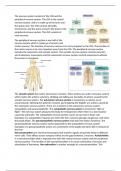
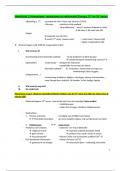
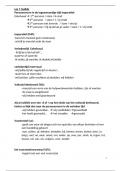
The nervous system consists of the CNS and the
peripheral nervous system. The CNS is the central
nervous system, and it is made up of the brain and
the spinal cord. The CNS controls all bodily
movements, and the spine connects the brain to the
peripheral nervous system. The CNS consists of
relay neurons.
The peripheral nervous system is one half of the
nervous system which is made up of sensory and
motor neurons. The function of sensory neurons is to carry impulses to the CNS. The function of
the motor neuron is to carry impulses away from the CNS. The peripheral nervous system
includes the autonomic and somatic system. The somatic nervous system controls voluntary
and involuntary movements and the autonomic nervous system controls movements without
the person's conscience.
The somatic system has motor and sensory neurons. These actions are under conscious control
which makes the actions voluntary. Walking and talking are examples of actions caused by the
somatic nervous system. The autonomic nervous system is involuntary as actions occur
unconsciously. Opening the sphincter muscles and emptying the bladder are actions caused by
the autonomic nervous system. There are 2 sections in the autonomic nervous system:
sympathetic and parasympathetic. The sympathetic nervous system is involved in ’fight or
flight’. This nervous system prepares the body for emergencies where there is a fast reaction
caused by adrenalin. The sympathetic nervous system causes an increase in heart rate.
Examples of a sympathetic response are when the liver converts glycogen to glucose, and when
the pupils dilate. The parasympathetic nervous system maintains the body's functions. The
parasympathetic nervous system works oppositely to the sympathetic nervous system.
Examples of a parasympathetic action are constriction of the pupils and when bile is released in
the liver.
Neurotransmitters are chemical messengers that transfer signals around the body to different
nerve cells. They diffuse across synapses which are the gaps between 2 neurons. Acetylcholine
is a neurotransmitter that is important for both the central nervous system and the peripheral
nervous system. The function of this neurotransmitter is to cause contraction of muscles and
stimulation of hormones. Non adrenaline is another example of a neurotransmitter. This
, neurotransmitter is used in the sympathetic nervous system. Its function is to increase alertness
and arousal levels and increases blood pressure.
Receptors are specialised cells that respond to changes in the environment (stimuli). Effectors
are a muscle or a gland which respond to an impulse. Impulses are carried to the CNS by
receptor cells, and impulses are carried away from the CNS by effectors. When there is a
stimulus, the receptors will transmit a signal which will then travel to the CNS and then to a
muscle or a gland. When receptor cells are stimulated, depolarisation occurs which causes
sodium channels to open. This results in odium ions entering the cell. Photoreceptors are
receptor cells in the eye which respond to light. These receptors detect the light and convert it
to a signal which travels to the brain. Mechanoreceptors are in our muscles and our skin, and
they detect changes in the environment. Receptors in the skin respond to stimuli such as
temperature and touch. When these receptors detect a change, a signal will be sent out which
will result in a reflex/ contraction of muscles.
Glial cells:
Glial cells support neurons and digest
dead neurons. They can be found
within the central nervous system and
the peripheral nervous system. They
are important for the development
and function of neurons in the CNS.
Schwann cells are an example of a glial cell. These glial cells can be found in the peripheral
nervous system. Schwann cells help the neuron to survive, and they also help speed up
electrical impulses travelling across neurons.
Neurons:
Neurons are long structures that carry electrical impulses
around the body. Sensory neurons carry the electrical signal
from the receptor cells to the brain and the spinal cord. Motor
neurons carry the electrical impulse from the brain towards
the muscles. The cell body of the neuron contains the nucleus
which stores all the genetic information and DNA.
Mitochondria and ribosomes are also present in the cell body
as well as other membrane bound organelles. The dendrites
are finger-like projections that transfer electrical impulses to
the cell body and with other neurons. The axon transfers
impulses away from the cell body towards a muscle or a
gland. The myelin sheath insulates the axon which speeds up
electrical impulses of the neuron and prevents loss of
impulses.
peripheral nervous system. The CNS is the central
nervous system, and it is made up of the brain and
the spinal cord. The CNS controls all bodily
movements, and the spine connects the brain to the
peripheral nervous system. The CNS consists of
relay neurons.
The peripheral nervous system is one half of the
nervous system which is made up of sensory and
motor neurons. The function of sensory neurons is to carry impulses to the CNS. The function of
the motor neuron is to carry impulses away from the CNS. The peripheral nervous system
includes the autonomic and somatic system. The somatic nervous system controls voluntary
and involuntary movements and the autonomic nervous system controls movements without
the person's conscience.
The somatic system has motor and sensory neurons. These actions are under conscious control
which makes the actions voluntary. Walking and talking are examples of actions caused by the
somatic nervous system. The autonomic nervous system is involuntary as actions occur
unconsciously. Opening the sphincter muscles and emptying the bladder are actions caused by
the autonomic nervous system. There are 2 sections in the autonomic nervous system:
sympathetic and parasympathetic. The sympathetic nervous system is involved in ’fight or
flight’. This nervous system prepares the body for emergencies where there is a fast reaction
caused by adrenalin. The sympathetic nervous system causes an increase in heart rate.
Examples of a sympathetic response are when the liver converts glycogen to glucose, and when
the pupils dilate. The parasympathetic nervous system maintains the body's functions. The
parasympathetic nervous system works oppositely to the sympathetic nervous system.
Examples of a parasympathetic action are constriction of the pupils and when bile is released in
the liver.
Neurotransmitters are chemical messengers that transfer signals around the body to different
nerve cells. They diffuse across synapses which are the gaps between 2 neurons. Acetylcholine
is a neurotransmitter that is important for both the central nervous system and the peripheral
nervous system. The function of this neurotransmitter is to cause contraction of muscles and
stimulation of hormones. Non adrenaline is another example of a neurotransmitter. This
, neurotransmitter is used in the sympathetic nervous system. Its function is to increase alertness
and arousal levels and increases blood pressure.
Receptors are specialised cells that respond to changes in the environment (stimuli). Effectors
are a muscle or a gland which respond to an impulse. Impulses are carried to the CNS by
receptor cells, and impulses are carried away from the CNS by effectors. When there is a
stimulus, the receptors will transmit a signal which will then travel to the CNS and then to a
muscle or a gland. When receptor cells are stimulated, depolarisation occurs which causes
sodium channels to open. This results in odium ions entering the cell. Photoreceptors are
receptor cells in the eye which respond to light. These receptors detect the light and convert it
to a signal which travels to the brain. Mechanoreceptors are in our muscles and our skin, and
they detect changes in the environment. Receptors in the skin respond to stimuli such as
temperature and touch. When these receptors detect a change, a signal will be sent out which
will result in a reflex/ contraction of muscles.
Glial cells:
Glial cells support neurons and digest
dead neurons. They can be found
within the central nervous system and
the peripheral nervous system. They
are important for the development
and function of neurons in the CNS.
Schwann cells are an example of a glial cell. These glial cells can be found in the peripheral
nervous system. Schwann cells help the neuron to survive, and they also help speed up
electrical impulses travelling across neurons.
Neurons:
Neurons are long structures that carry electrical impulses
around the body. Sensory neurons carry the electrical signal
from the receptor cells to the brain and the spinal cord. Motor
neurons carry the electrical impulse from the brain towards
the muscles. The cell body of the neuron contains the nucleus
which stores all the genetic information and DNA.
Mitochondria and ribosomes are also present in the cell body
as well as other membrane bound organelles. The dendrites
are finger-like projections that transfer electrical impulses to
the cell body and with other neurons. The axon transfers
impulses away from the cell body towards a muscle or a
gland. The myelin sheath insulates the axon which speeds up
electrical impulses of the neuron and prevents loss of
impulses.