Design Elements &
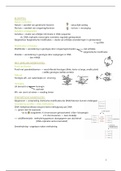
COLOUR THEORY
spectrum: a band of colour arranged in order of the wavelength of the different
colour
hue: the name of a colour by which it is recognised and described e.g. red
achromatic colours: colours lacking hue; white, grey
or black
value: the lightness or darkness of a colour
intensity: the purity or strength of a hue or colour
chromatic colours: colours with a hue
value: the lightness or darkness of a colour
tint: when a colour is made lighter by adding white,
the result is called a tint
shade: when black is added to a colour, the darker
version is called a shade
tone: when grey is added to a colour, the result is a different tone
colour wheel: a wheel containing twelve colours, which are primary, secondary and
tertiary colours
complementary colour: hues that are opposite each other on the colour wheel
Chromatic colours
The colour wheel has 12 chromatic colours, which can be divided into three
categories.
Primary colours: red, blue and yellow, which are the pure basic colours,
Secondary colours: orange, green and violet, which are formed when equal parts of
one primary colour are mixed with another primary colour.
Tertiary colours: formed when a primary and a secondary colour are mixed. For
example, red (primary colour) + violet (secondary colour) = red-violet; and yellow
(primary colour) + green (secondary colour) = yellow-green
Achromatic colours
Achromatic colours are also called the neutral colours. They are white, black and
grey. Black reflects no light and white contains all the colours in light. Grey is the
combination of black and white. Grey is also formed when complementary colours (e.g. red
and green) are mixed in equal quantities.
Properties of colour:
Each hue has its own 'temperature'. Warm colours are placed together on the colour
wheel, with cool colours opposite them.
Warm colours are red, orange, yellow and their related colours. They remind us of
the sun and fire. Warm colours tend to 'move' forwards and seem to be nearer than
they actually are. So, they are called advancing colours.
, Cool colours are blue, green, violet and their related colours. They remind us of grass
and water. Cool colours appear to be further away than they actually are. So, they
are called receding colours.
Effects of colour on feelings or emotions
Warm colours, lighter values and strong intensities are stimulating and energetic.
Cool colours, darker values and weak intensities are quiet and subdued.
Tertiary colours, values and intensities are relaxing and visually undemanding.
Obvious contrasts, such as black and white, are active and stimulating.
For example, blues and greens have a calming effect, while red and bright yellow are
exciting colours. We may wear dark colours if we are sad or depressed, and bright,
cheerful
Colour combinations:
A) Related colour harmonies
1. Monochromatic: 'Mono' means 'one', so monochrome schemes use one colour (hue)
throughout. They use that colour's tints, tones and shades e.g. light pink, rose,
maroon and watermelon. Monochromatic colour harmonies are clean and elegant.
Monochromatic colours go well together, producing a soothing effect.
2. Analogous: When you use colours that lie next to each other on the colour wheel,
such as yellow, yellow-green and green, you use analogous color harmonies.
Analogous colour schemes are harmonious and pleasing to the eye because they
have at least one colour in common. For example, yellow and yellow-green have
yellow in common, and yellow-green and green have green in common. Use
combinations that include shades, tints and tones of these colours, e.g. amber (tone
of yellow-orange), cream (tint of yellow) and olive (shade of yellow-green).
Make sure you have enough contrast. Choose one colour to dominate and a second
colour to support. Use the third colour (along with black, white or grey) as an accent.
B) Contrasting colour harmonies
1. Complementary: Hues opposite each other on the colour wheel are known as
complementary colours. For example, red lies opposite green and yellow lies
opposite purple. When you place complementary colour next to each other, you
notice a huge contrast between them and each seems to be brighter. Maroon and
bottle-green produce a more subtle colour harmony than full-intensity red and green,
for example. One of the complements used should be dull, light or dark, or only used
in a small amount. When using the complementary scheme, it is important to choose
a dominant colour and use its complementary colour for accents.
2. Double complementary: In this type of colour harmony, two or more colours that lie
next to each other on the colour wheel are combined with their complementaries,
e.g. yellow and yellow-orange are combined with violet and blue-violet. The
combination will be more pleasing if the values of the colours are not all on the same
level, so use tints, shades and tones. The following colours, for example, form a
COLOUR THEORY
spectrum: a band of colour arranged in order of the wavelength of the different
colour
hue: the name of a colour by which it is recognised and described e.g. red
achromatic colours: colours lacking hue; white, grey
or black
value: the lightness or darkness of a colour
intensity: the purity or strength of a hue or colour
chromatic colours: colours with a hue
value: the lightness or darkness of a colour
tint: when a colour is made lighter by adding white,
the result is called a tint
shade: when black is added to a colour, the darker
version is called a shade
tone: when grey is added to a colour, the result is a different tone
colour wheel: a wheel containing twelve colours, which are primary, secondary and
tertiary colours
complementary colour: hues that are opposite each other on the colour wheel
Chromatic colours
The colour wheel has 12 chromatic colours, which can be divided into three
categories.
Primary colours: red, blue and yellow, which are the pure basic colours,
Secondary colours: orange, green and violet, which are formed when equal parts of
one primary colour are mixed with another primary colour.
Tertiary colours: formed when a primary and a secondary colour are mixed. For
example, red (primary colour) + violet (secondary colour) = red-violet; and yellow
(primary colour) + green (secondary colour) = yellow-green
Achromatic colours
Achromatic colours are also called the neutral colours. They are white, black and
grey. Black reflects no light and white contains all the colours in light. Grey is the
combination of black and white. Grey is also formed when complementary colours (e.g. red
and green) are mixed in equal quantities.
Properties of colour:
Each hue has its own 'temperature'. Warm colours are placed together on the colour
wheel, with cool colours opposite them.
Warm colours are red, orange, yellow and their related colours. They remind us of
the sun and fire. Warm colours tend to 'move' forwards and seem to be nearer than
they actually are. So, they are called advancing colours.
, Cool colours are blue, green, violet and their related colours. They remind us of grass
and water. Cool colours appear to be further away than they actually are. So, they
are called receding colours.
Effects of colour on feelings or emotions
Warm colours, lighter values and strong intensities are stimulating and energetic.
Cool colours, darker values and weak intensities are quiet and subdued.
Tertiary colours, values and intensities are relaxing and visually undemanding.
Obvious contrasts, such as black and white, are active and stimulating.
For example, blues and greens have a calming effect, while red and bright yellow are
exciting colours. We may wear dark colours if we are sad or depressed, and bright,
cheerful
Colour combinations:
A) Related colour harmonies
1. Monochromatic: 'Mono' means 'one', so monochrome schemes use one colour (hue)
throughout. They use that colour's tints, tones and shades e.g. light pink, rose,
maroon and watermelon. Monochromatic colour harmonies are clean and elegant.
Monochromatic colours go well together, producing a soothing effect.
2. Analogous: When you use colours that lie next to each other on the colour wheel,
such as yellow, yellow-green and green, you use analogous color harmonies.
Analogous colour schemes are harmonious and pleasing to the eye because they
have at least one colour in common. For example, yellow and yellow-green have
yellow in common, and yellow-green and green have green in common. Use
combinations that include shades, tints and tones of these colours, e.g. amber (tone
of yellow-orange), cream (tint of yellow) and olive (shade of yellow-green).
Make sure you have enough contrast. Choose one colour to dominate and a second
colour to support. Use the third colour (along with black, white or grey) as an accent.
B) Contrasting colour harmonies
1. Complementary: Hues opposite each other on the colour wheel are known as
complementary colours. For example, red lies opposite green and yellow lies
opposite purple. When you place complementary colour next to each other, you
notice a huge contrast between them and each seems to be brighter. Maroon and
bottle-green produce a more subtle colour harmony than full-intensity red and green,
for example. One of the complements used should be dull, light or dark, or only used
in a small amount. When using the complementary scheme, it is important to choose
a dominant colour and use its complementary colour for accents.
2. Double complementary: In this type of colour harmony, two or more colours that lie
next to each other on the colour wheel are combined with their complementaries,
e.g. yellow and yellow-orange are combined with violet and blue-violet. The
combination will be more pleasing if the values of the colours are not all on the same
level, so use tints, shades and tones. The following colours, for example, form a