STRATEGIC MANAGEMENT
2021-2022
Book: Economics of strategy, 7th edition
Authors: David Besanko, David Dranove, Mark Shanley & Scott Schaefer
Professor: Elvira Haezendonck
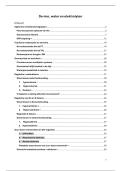
,Table of contents
Introduction .................................................................................................................................................... 1
1. The concept of strategy: 4 big issues................................................................................................................1
1. Concepts and evolution of strategic “schools of thought”...........................................................................1
2. Boundaries of the firm ..................................................................................................................................1
3. Competition ..................................................................................................................................................1
4. Positioning and dynamics .............................................................................................................................1
2. What is strategy? ..............................................................................................................................................2
Distinguishing strategy from tactics .....................................................................................................................2
Characteristics of strategic decisions: ..................................................................................................................2
3. The role of analysis ...........................................................................................................................................2
4. Strategy making processes within the Company: Multiply Roles of Strategy ..................................................2
5. Strategy plan hierarchy.....................................................................................................................................3
Strategic plan ........................................................................................................................................................3
Action plans ..........................................................................................................................................................3
6. What makes a successful strategy? ..................................................................................................................3
7. Sources of superior profitability .......................................................................................................................4
8. Components of “success” .................................................................................................................................4
Example ................................................................................................................................................................5
9. The evolution of strategic management ..........................................................................................................5
2020? Keywords ...................................................................................................................................................5
10. Strategy making: design or process? ............................................................................................................5
Strategy as design .................................................................................................................................................5
Strategy as process ...............................................................................................................................................6
Mintzberg’s critique on formal strategic planning ...............................................................................................6
Ten schools of strategy .................................................................................................................................... 7
1. Design School → Strategy formation as a process of conception....................................................................7
Process ..................................................................................................................................................................7
Cons: major criticisms ...........................................................................................................................................8
Pros: encouragement towards design school model ...........................................................................................8
2. Planning school → Strategy formation as formal process ...............................................................................8
3. Positioning school → Strategy formation as an analytical process..................................................................8
4. Entrepreneurial school → Strategy formation as a visionary process .............................................................8
5. Cognitive school → Strategy formation as a mental process...........................................................................9
6. Learning school → Strategy formation as an emergent process .....................................................................9
7. Power School → Strategy formation as a negotiation .....................................................................................9
, 8. Cultural School → Strategy formation as a collective process .........................................................................9
9. Environmental school → Strategy formation as a reactive process ..............................................................10
10. Configuration process → Strategy formation as a process of transformation ..........................................10
Chapter 2: The horizontal boundaries of the firm ............................................................................................ 11
1. What are horizontal boundaries? ...................................................................................................................11
2. Determinants of the horizontal boundaries ...................................................................................................11
Economies of scale .............................................................................................................................................11
Economies of scope ............................................................................................................................................12
Sources of economies of scale and scope ..........................................................................................................13
Diseconomies of Scale ........................................................................................................................................15
The learning curve ..............................................................................................................................................15
3. Diversification .................................................................................................................................................17
What is diversification ........................................................................................................................................17
Measuring ‘relatedness’ .....................................................................................................................................17
Ways to diversify ................................................................................................................................................18
Why do firms diversify? ......................................................................................................................................18
Diversification: long term performance .............................................................................................................19
Chapter 3 & 4: The vertical boundaries of the firm and its alternatives ............................................................ 20
1. Introduction ....................................................................................................................................................20
2. Make or buy ....................................................................................................................................................20
Make or buy decision .........................................................................................................................................20
Make or buy fallacies ..........................................................................................................................................20
Reasons to buy....................................................................................................................................................21
Reasons to make.................................................................................................................................................21
The trade-off in vertical integration ...................................................................................................................22
3. Alternatives to vertical integration.................................................................................................................23
Tapered integration (making some and buying the rest) ...................................................................................23
Joint ventures and strategic alliances.................................................................................................................23
Long term collaborative relationship .................................................................................................................24
Implicit contracts between firms ........................................................................................................................24
Chapter 6: Entry and exit................................................................................................................................ 25
1. Some facts about entry and exit.....................................................................................................................25
Forms of entry ....................................................................................................................................................25
Forms of exit .......................................................................................................................................................25
Evidence on entry and exit .................................................................................................................................25
2. Cost benefit analysis for entry ........................................................................................................................26
3. Barriers to entry..............................................................................................................................................27
, Typology of entry conditions ..............................................................................................................................27
Asymmetry: what is the strategic distinction between entrants and incumbents? ..........................................28
Types of structural barriers to enter ..................................................................................................................28
Types of strategic barriers: entry deterring strategies .......................................................................................29
Exceptions to any strategic barrier .....................................................................................................................31
Evidence on the use of entry deterring strategies .............................................................................................32
4. Barriers to exit ................................................................................................................................................32
Chapter 7: Dynamics – Competing across time ................................................................................................ 33
1. Strategic commitments ..................................................................................................................................33
Strategic commitments vs tactical moves ..........................................................................................................33
Strategic substitutes and complements .............................................................................................................35
Strategic effect of commitments ........................................................................................................................35
Flexibility and option value.................................................................................................................................36
2. Dynamic models .............................................................................................................................................36
Dynamic price competition ................................................................................................................................36
Dynamic vs static models ...................................................................................................................................36
Cooperative pricing as a dynamic model............................................................................................................37
3. Quality ............................................................................................................................................................38
Chapter 8: Industry analysis ........................................................................................................................... 39
1. Industry analysis .............................................................................................................................................39
Industry analysis facilitates.................................................................................................................................39
2. Porter’s five forces framework .......................................................................................................................39
Internal rivalry ....................................................................................................................................................39
Entry....................................................................................................................................................................40
Substitutes and complements ............................................................................................................................41
Supplier power and buyer power .......................................................................................................................41
Some strategies to cope with the five forces .....................................................................................................42
Limitations ..........................................................................................................................................................42
3. Value Net ........................................................................................................................................................42
Five forces vs value net.......................................................................................................................................42
The value Net concept ........................................................................................................................................42
4. Five forces analysis of Chicago hospitals ........................................................................................................43
Market definition ................................................................................................................................................43
Internal rivalry ....................................................................................................................................................43
Entry....................................................................................................................................................................43
Substitutes/Complements ..................................................................................................................................43
Supplier power ...................................................................................................................................................43
, Buyer Power .......................................................................................................................................................43
Summary .............................................................................................................................................................43
Chapter 9: Strategic positioning for competitive advantage ............................................................................ 44
1. Competitive advantage and profitability: evidence .......................................................................................44
2. Competitive advantage and value creation....................................................................................................44
What is a competitive advantage? .....................................................................................................................44
Wat is value creation and how relates this to competitive advantage? ............................................................45
3. Value chain of Michael Porter ........................................................................................................................47
Where to look for value? ....................................................................................................................................47
Value chain and competitive advantage ............................................................................................................48
Evaluating the organization of the vertical chain ...............................................................................................48
4. Resources and capabilities .............................................................................................................................48
Resources............................................................................................................................................................48
Capabilities .........................................................................................................................................................48
The emergence of a competitive advantage ......................................................................................................49
Strategic choice based upon a competitive advantage ......................................................................................50
Summary .............................................................................................................................................................50
5. Porter’s generic strategies ..............................................................................................................................50
Cost leadership ...................................................................................................................................................51
Benefit leadership (differentiation) ....................................................................................................................51
Stuck in the middle .............................................................................................................................................51
Broad coverage vs focus strategies ....................................................................................................................51
Features of cost leadership and differentiation strategies ................................................................................52
Drivers of cost advantage ...................................................................................................................................52
Using the value chain analysis to explore cost-saving: Singapore Airlines.........................................................52
Chapter 11: Sustaining competitive advantage ............................................................................................... 53
1. The threats to sustainability because of market structure ............................................................................53
Sustainability with monopolistic competition ....................................................................................................53
Threats to sustainability regardless of market structure ...................................................................................53
Life cycle of competitive advantage ...................................................................................................................53
2. Sustaining competitive advantage .................................................................................................................54
1. Resource based theory of the firm .................................................................................................................54
2. Isolating mechanisms .....................................................................................................................................54
Summary: competitive advantage and sustainability ........................................................................................57
3. Dynamic capabilities .......................................................................................................................................57
What are dynamic capabilities? .........................................................................................................................57
Factors that limit dynamic capabilities ...............................................................................................................58
,Porter’s diamond framework and creating shared value ................................................................................. 59
Where does the idea of the Diamond framework come from? .........................................................................59
1. Frameworks supporting competitiveness analysis .........................................................................................59
Five forces analysis .............................................................................................................................................59
Resource-based view ..........................................................................................................................................59
Diamond framework...........................................................................................................................................59
2. Determinants of competitiveness “The Core Framework” ............................................................................60
Endowments .......................................................................................................................................................60
Macroeconomic competitiveness ......................................................................................................................60
Microeconomic competitiveness .......................................................................................................................61
3. Creating shared value .....................................................................................................................................67
≠ Corporate social responsibility (CSR) ...............................................................................................................67
Examples .............................................................................................................................................................68
Chapter 13: Strategy and structure ................................................................................................................. 69
1. Designing an organizational structure ............................................................................................................69
Determinants of structure ..................................................................................................................................69
Fundamentals of organizing ...............................................................................................................................69
Complex hierarchy ..............................................................................................................................................69
2. Types of organizational structures .................................................................................................................70
Functional organization (U-form) .......................................................................................................................70
The multidivisional organization (M-form).........................................................................................................70
Matrix organization ............................................................................................................................................71
Network organization .........................................................................................................................................71
3. Strategy – structure coherence ......................................................................................................................72
What is the optimal structure of an organization in function of its strategies? ................................................72
Exam preparation .......................................................................................................................................... 73
Good practices ....................................................................................................................................................73
Examples .............................................................................................................................................................73
Overview: big issues ...........................................................................................................................................75
, Introduction
1. The concept of strategy: 4 big issues
1. Concepts and evolution of strategic “schools of thought”
→ WHAT?
− What is strategy?
− What are the schools of thoughts?
o These help you understand how strategic management developed as a science.
Then we get to the corporate and business strategy.
2. Boundaries of the firm
→ WHERE?
− The firms’ boundaries define what the firm does.
o IT business: you make computers, but do you also make software? Do you add services? The question is
where the boundaries begin and end.
− Horizontal: size of the company
o Producing how much?
o How many products?
− Vertical: what will we produce ourselves?
o “Make or buy”?
o Product and packaging and distribution
▪ Do you make the packaging yourself or are you going to buy it from another company?
o You make diamonds but you also own the mines.
o Upstream and downstream integration
− Corporate (company as a whole)
o On which market(s) do we want to be?
o Portfolio management
3. Competition
→ WHO are they and HOW can we interact?
− Business level
− Type of market business is operating in: WHO?
o Who else is in that market? It’s not easy to determine your competitors on a global scale.
o You can have a psychical store and an online store. These 2 markets can reach other clients and can have
other competitors.
o Ex. airplane industry versus consumer products (ex. Boeing versus Unilever)
− Kind of interaction of rivals: HOW?
o How do we interact? How should we react on something? Companies can apply price coordination.
4. Positioning and dynamics
→ WHY?
− Are we making the best decisions, not only based on competitors but also based on what we have and who
we are? What resources do we have? Where are we located? Do we have a well performing website?
− Where do we want to be? low cost, differentiation…
− Which competitive advantage do we want to have? Do we have the resources and capabilities for that?
− This is the most crucial and difficult part of a company. We need to understand what our strengths and
weaknesses are. That’s not easy. There is a thorough methodology to do so.
1
Strategic management: Introduction
, 2. What is strategy?
For example, our strategy should be willing to obtain the master’s degree and the plan we have to do so. This is
linked to our ambitions. We have a mission to accomplish and a vision and values. The choice for the VUB can be
linked to our values. Our resources to do this are our brain, our environment, our parents, our friends and
relatives supporting us through this, our educational background… We’ll use all these resources to have a
favourable position.
Distinguishing strategy from tactics
− A strategy is not the same as a tactic.
− Strategy is the overall design and philosophy to plan for deploying resources to establish a favourable
position / reach success
o Long term
o Obtaining a degree takes several years.
o It involves significant commitment of resources: money, effort…
o Not easy reversable.
− Tactic is a scheme for a specific manoeuvrer
o Short term
o Cheating on the exam can be a tactic. It’s risky and can work out differently than you planned. You can
pass one course but not the whole masters.
Characteristics of strategic decisions:
− Important
− Involve a significant commitment of resources
− Not easily reversible
3. The role of analysis
− Strategy analysis improves/supports decision processes, but doesn’t give answers
− Strategy analysis assists us to identify and understand the main challenges of organisations/businesses
− Strategy analysis helps us to manage complexity
− Strategy analysis can enhance flexibility and innovation by supporting learning
This doesn’t take over the decision-making process. It’s a learning process. It influences the quality of the decision
making.
4. Strategy making processes within the Company: Multiply Roles of Strategy
Why do we do these strategy exercises in any organisation (one person business, multinational…)?
− Because it supports decision making throughout the whole organisation. You should not waste recourses on a
project that’s not in line with the strategy. That’s not alignment.
2
Strategic management: Introduction
2021-2022
Book: Economics of strategy, 7th edition
Authors: David Besanko, David Dranove, Mark Shanley & Scott Schaefer
Professor: Elvira Haezendonck
,Table of contents
Introduction .................................................................................................................................................... 1
1. The concept of strategy: 4 big issues................................................................................................................1
1. Concepts and evolution of strategic “schools of thought”...........................................................................1
2. Boundaries of the firm ..................................................................................................................................1
3. Competition ..................................................................................................................................................1
4. Positioning and dynamics .............................................................................................................................1
2. What is strategy? ..............................................................................................................................................2
Distinguishing strategy from tactics .....................................................................................................................2
Characteristics of strategic decisions: ..................................................................................................................2
3. The role of analysis ...........................................................................................................................................2
4. Strategy making processes within the Company: Multiply Roles of Strategy ..................................................2
5. Strategy plan hierarchy.....................................................................................................................................3
Strategic plan ........................................................................................................................................................3
Action plans ..........................................................................................................................................................3
6. What makes a successful strategy? ..................................................................................................................3
7. Sources of superior profitability .......................................................................................................................4
8. Components of “success” .................................................................................................................................4
Example ................................................................................................................................................................5
9. The evolution of strategic management ..........................................................................................................5
2020? Keywords ...................................................................................................................................................5
10. Strategy making: design or process? ............................................................................................................5
Strategy as design .................................................................................................................................................5
Strategy as process ...............................................................................................................................................6
Mintzberg’s critique on formal strategic planning ...............................................................................................6
Ten schools of strategy .................................................................................................................................... 7
1. Design School → Strategy formation as a process of conception....................................................................7
Process ..................................................................................................................................................................7
Cons: major criticisms ...........................................................................................................................................8
Pros: encouragement towards design school model ...........................................................................................8
2. Planning school → Strategy formation as formal process ...............................................................................8
3. Positioning school → Strategy formation as an analytical process..................................................................8
4. Entrepreneurial school → Strategy formation as a visionary process .............................................................8
5. Cognitive school → Strategy formation as a mental process...........................................................................9
6. Learning school → Strategy formation as an emergent process .....................................................................9
7. Power School → Strategy formation as a negotiation .....................................................................................9
, 8. Cultural School → Strategy formation as a collective process .........................................................................9
9. Environmental school → Strategy formation as a reactive process ..............................................................10
10. Configuration process → Strategy formation as a process of transformation ..........................................10
Chapter 2: The horizontal boundaries of the firm ............................................................................................ 11
1. What are horizontal boundaries? ...................................................................................................................11
2. Determinants of the horizontal boundaries ...................................................................................................11
Economies of scale .............................................................................................................................................11
Economies of scope ............................................................................................................................................12
Sources of economies of scale and scope ..........................................................................................................13
Diseconomies of Scale ........................................................................................................................................15
The learning curve ..............................................................................................................................................15
3. Diversification .................................................................................................................................................17
What is diversification ........................................................................................................................................17
Measuring ‘relatedness’ .....................................................................................................................................17
Ways to diversify ................................................................................................................................................18
Why do firms diversify? ......................................................................................................................................18
Diversification: long term performance .............................................................................................................19
Chapter 3 & 4: The vertical boundaries of the firm and its alternatives ............................................................ 20
1. Introduction ....................................................................................................................................................20
2. Make or buy ....................................................................................................................................................20
Make or buy decision .........................................................................................................................................20
Make or buy fallacies ..........................................................................................................................................20
Reasons to buy....................................................................................................................................................21
Reasons to make.................................................................................................................................................21
The trade-off in vertical integration ...................................................................................................................22
3. Alternatives to vertical integration.................................................................................................................23
Tapered integration (making some and buying the rest) ...................................................................................23
Joint ventures and strategic alliances.................................................................................................................23
Long term collaborative relationship .................................................................................................................24
Implicit contracts between firms ........................................................................................................................24
Chapter 6: Entry and exit................................................................................................................................ 25
1. Some facts about entry and exit.....................................................................................................................25
Forms of entry ....................................................................................................................................................25
Forms of exit .......................................................................................................................................................25
Evidence on entry and exit .................................................................................................................................25
2. Cost benefit analysis for entry ........................................................................................................................26
3. Barriers to entry..............................................................................................................................................27
, Typology of entry conditions ..............................................................................................................................27
Asymmetry: what is the strategic distinction between entrants and incumbents? ..........................................28
Types of structural barriers to enter ..................................................................................................................28
Types of strategic barriers: entry deterring strategies .......................................................................................29
Exceptions to any strategic barrier .....................................................................................................................31
Evidence on the use of entry deterring strategies .............................................................................................32
4. Barriers to exit ................................................................................................................................................32
Chapter 7: Dynamics – Competing across time ................................................................................................ 33
1. Strategic commitments ..................................................................................................................................33
Strategic commitments vs tactical moves ..........................................................................................................33
Strategic substitutes and complements .............................................................................................................35
Strategic effect of commitments ........................................................................................................................35
Flexibility and option value.................................................................................................................................36
2. Dynamic models .............................................................................................................................................36
Dynamic price competition ................................................................................................................................36
Dynamic vs static models ...................................................................................................................................36
Cooperative pricing as a dynamic model............................................................................................................37
3. Quality ............................................................................................................................................................38
Chapter 8: Industry analysis ........................................................................................................................... 39
1. Industry analysis .............................................................................................................................................39
Industry analysis facilitates.................................................................................................................................39
2. Porter’s five forces framework .......................................................................................................................39
Internal rivalry ....................................................................................................................................................39
Entry....................................................................................................................................................................40
Substitutes and complements ............................................................................................................................41
Supplier power and buyer power .......................................................................................................................41
Some strategies to cope with the five forces .....................................................................................................42
Limitations ..........................................................................................................................................................42
3. Value Net ........................................................................................................................................................42
Five forces vs value net.......................................................................................................................................42
The value Net concept ........................................................................................................................................42
4. Five forces analysis of Chicago hospitals ........................................................................................................43
Market definition ................................................................................................................................................43
Internal rivalry ....................................................................................................................................................43
Entry....................................................................................................................................................................43
Substitutes/Complements ..................................................................................................................................43
Supplier power ...................................................................................................................................................43
, Buyer Power .......................................................................................................................................................43
Summary .............................................................................................................................................................43
Chapter 9: Strategic positioning for competitive advantage ............................................................................ 44
1. Competitive advantage and profitability: evidence .......................................................................................44
2. Competitive advantage and value creation....................................................................................................44
What is a competitive advantage? .....................................................................................................................44
Wat is value creation and how relates this to competitive advantage? ............................................................45
3. Value chain of Michael Porter ........................................................................................................................47
Where to look for value? ....................................................................................................................................47
Value chain and competitive advantage ............................................................................................................48
Evaluating the organization of the vertical chain ...............................................................................................48
4. Resources and capabilities .............................................................................................................................48
Resources............................................................................................................................................................48
Capabilities .........................................................................................................................................................48
The emergence of a competitive advantage ......................................................................................................49
Strategic choice based upon a competitive advantage ......................................................................................50
Summary .............................................................................................................................................................50
5. Porter’s generic strategies ..............................................................................................................................50
Cost leadership ...................................................................................................................................................51
Benefit leadership (differentiation) ....................................................................................................................51
Stuck in the middle .............................................................................................................................................51
Broad coverage vs focus strategies ....................................................................................................................51
Features of cost leadership and differentiation strategies ................................................................................52
Drivers of cost advantage ...................................................................................................................................52
Using the value chain analysis to explore cost-saving: Singapore Airlines.........................................................52
Chapter 11: Sustaining competitive advantage ............................................................................................... 53
1. The threats to sustainability because of market structure ............................................................................53
Sustainability with monopolistic competition ....................................................................................................53
Threats to sustainability regardless of market structure ...................................................................................53
Life cycle of competitive advantage ...................................................................................................................53
2. Sustaining competitive advantage .................................................................................................................54
1. Resource based theory of the firm .................................................................................................................54
2. Isolating mechanisms .....................................................................................................................................54
Summary: competitive advantage and sustainability ........................................................................................57
3. Dynamic capabilities .......................................................................................................................................57
What are dynamic capabilities? .........................................................................................................................57
Factors that limit dynamic capabilities ...............................................................................................................58
,Porter’s diamond framework and creating shared value ................................................................................. 59
Where does the idea of the Diamond framework come from? .........................................................................59
1. Frameworks supporting competitiveness analysis .........................................................................................59
Five forces analysis .............................................................................................................................................59
Resource-based view ..........................................................................................................................................59
Diamond framework...........................................................................................................................................59
2. Determinants of competitiveness “The Core Framework” ............................................................................60
Endowments .......................................................................................................................................................60
Macroeconomic competitiveness ......................................................................................................................60
Microeconomic competitiveness .......................................................................................................................61
3. Creating shared value .....................................................................................................................................67
≠ Corporate social responsibility (CSR) ...............................................................................................................67
Examples .............................................................................................................................................................68
Chapter 13: Strategy and structure ................................................................................................................. 69
1. Designing an organizational structure ............................................................................................................69
Determinants of structure ..................................................................................................................................69
Fundamentals of organizing ...............................................................................................................................69
Complex hierarchy ..............................................................................................................................................69
2. Types of organizational structures .................................................................................................................70
Functional organization (U-form) .......................................................................................................................70
The multidivisional organization (M-form).........................................................................................................70
Matrix organization ............................................................................................................................................71
Network organization .........................................................................................................................................71
3. Strategy – structure coherence ......................................................................................................................72
What is the optimal structure of an organization in function of its strategies? ................................................72
Exam preparation .......................................................................................................................................... 73
Good practices ....................................................................................................................................................73
Examples .............................................................................................................................................................73
Overview: big issues ...........................................................................................................................................75
, Introduction
1. The concept of strategy: 4 big issues
1. Concepts and evolution of strategic “schools of thought”
→ WHAT?
− What is strategy?
− What are the schools of thoughts?
o These help you understand how strategic management developed as a science.
Then we get to the corporate and business strategy.
2. Boundaries of the firm
→ WHERE?
− The firms’ boundaries define what the firm does.
o IT business: you make computers, but do you also make software? Do you add services? The question is
where the boundaries begin and end.
− Horizontal: size of the company
o Producing how much?
o How many products?
− Vertical: what will we produce ourselves?
o “Make or buy”?
o Product and packaging and distribution
▪ Do you make the packaging yourself or are you going to buy it from another company?
o You make diamonds but you also own the mines.
o Upstream and downstream integration
− Corporate (company as a whole)
o On which market(s) do we want to be?
o Portfolio management
3. Competition
→ WHO are they and HOW can we interact?
− Business level
− Type of market business is operating in: WHO?
o Who else is in that market? It’s not easy to determine your competitors on a global scale.
o You can have a psychical store and an online store. These 2 markets can reach other clients and can have
other competitors.
o Ex. airplane industry versus consumer products (ex. Boeing versus Unilever)
− Kind of interaction of rivals: HOW?
o How do we interact? How should we react on something? Companies can apply price coordination.
4. Positioning and dynamics
→ WHY?
− Are we making the best decisions, not only based on competitors but also based on what we have and who
we are? What resources do we have? Where are we located? Do we have a well performing website?
− Where do we want to be? low cost, differentiation…
− Which competitive advantage do we want to have? Do we have the resources and capabilities for that?
− This is the most crucial and difficult part of a company. We need to understand what our strengths and
weaknesses are. That’s not easy. There is a thorough methodology to do so.
1
Strategic management: Introduction
, 2. What is strategy?
For example, our strategy should be willing to obtain the master’s degree and the plan we have to do so. This is
linked to our ambitions. We have a mission to accomplish and a vision and values. The choice for the VUB can be
linked to our values. Our resources to do this are our brain, our environment, our parents, our friends and
relatives supporting us through this, our educational background… We’ll use all these resources to have a
favourable position.
Distinguishing strategy from tactics
− A strategy is not the same as a tactic.
− Strategy is the overall design and philosophy to plan for deploying resources to establish a favourable
position / reach success
o Long term
o Obtaining a degree takes several years.
o It involves significant commitment of resources: money, effort…
o Not easy reversable.
− Tactic is a scheme for a specific manoeuvrer
o Short term
o Cheating on the exam can be a tactic. It’s risky and can work out differently than you planned. You can
pass one course but not the whole masters.
Characteristics of strategic decisions:
− Important
− Involve a significant commitment of resources
− Not easily reversible
3. The role of analysis
− Strategy analysis improves/supports decision processes, but doesn’t give answers
− Strategy analysis assists us to identify and understand the main challenges of organisations/businesses
− Strategy analysis helps us to manage complexity
− Strategy analysis can enhance flexibility and innovation by supporting learning
This doesn’t take over the decision-making process. It’s a learning process. It influences the quality of the decision
making.
4. Strategy making processes within the Company: Multiply Roles of Strategy
Why do we do these strategy exercises in any organisation (one person business, multinational…)?
− Because it supports decision making throughout the whole organisation. You should not waste recourses on a
project that’s not in line with the strategy. That’s not alignment.
2
Strategic management: Introduction