Table of Contents
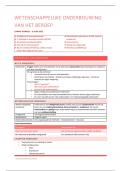
ENTREPRENEUR VS INTRAPRENEUR..................................................................................................................... 3
ENTREPRENEURIAL QUALITIES, CHARACTERISTICS AND SKILLS ..................................................................... 4
LEADERSHIP VS MANAGEMENT ............................................................................................................................. 5
A manager .......................................................................................................................................................... 5
A leader .............................................................................................................................................................. 5
MANAGEMENT STYLES ............................................................................................................................................ 5
DEMOCRATIC ........................................................................................................................................................ 5
AUTOCRATIC ......................................................................................................................................................... 6
LAISSEZ-FAIERE ................................................................................................................................................... 6
TRANSACTIONAL .................................................................................................................................................. 6
TRANSFORMATIONAL........................................................................................................................................... 6
SITUATIONAL......................................................................................................................................................... 6
MOTIVATIONAL FACTORS: MONETARY VS NON-MONETARY ............................................................................ 7
Advantages: ........................................................................................................................................................ 7
Monetary factors to motivate employees: ............................................................................................................. 7
Nonmonetary factors to motivate employees: ...................................................................................................... 7
MANAGEMENT TASKS.............................................................................................................................................. 8
PLANNING ................................................................................................................................................................. 8
The following are some principles to keep in mind when planning ........................................................................ 9
ORGANISATION ..................................................................................................................................................... 9
LEADING .............................................................................................................................................................. 10
General rules for good leadership: ..................................................................................................................... 10
CONTROL ............................................................................................................................................................ 11
A good control system will include the following aspects: ................................................................................... 11
COORDINATION .................................................................................................................................................. 11
COMMUNICATION ............................................................................................................................................... 11
DELEGATION ....................................................................................................................................................... 12
DECISION MAKING .............................................................................................................................................. 12
DISCIPLINE .......................................................................................................................................................... 12
MANAGEMENT COMPETENCIES............................................................................................................................ 13
GLOBAL AWARENESS ............................................................................................................................................... 13
ORGANISATIONAL AWARENESS.................................................................................................................................. 13
INTERNAL ........................................................................................................................................................ 13
EXTERNAL ....................................................................................................................................................... 13
ANALYSIS ........................................................................................................................................................ 14
STRATEGIC THINKING LEADING TO STRATEGIC ACTION ................................................................................ 14
TEAMWORK ......................................................................................................................................................... 14
EMPOWERMENT AND TALENT DEVELOPMENT ................................................................................................ 14
INITIATIVE ............................................................................................................................................................ 15
JUDGEMENT/ DECISION-MAKING ...................................................................................................................... 15
NEGOTIATION ..................................................................................................................................................... 15
CUSTOMER SERVICE ORIENTATION ................................................................................................................. 16
CORPORATE GOVERNANCE AND THE FOUNDING PRINCIPLES OF THE KING REPORTS ............................... 16
THE KING I REPORT (1994) .................................................................................................................................. 16
1
,KING II WAS PUBLISHED IN 2002 AND IT DESCRIBES SEVEN PRINCIPLES OF GOOD CORPORATE GOVERNANCE:.................. 17
TRANSPARANCY............................................................................................................................................. 17
ACCOUNTABILITY ........................................................................................................................................... 17
INDEPENDENCE.............................................................................................................................................. 17
DISCIPLINE ...................................................................................................................................................... 17
SOCIAL RESPONSIBILITY ............................................................................................................................... 18
FAIRNESS ........................................................................................................................................................ 18
RESPONSIBILITY [OF DIRECTORS]................................................................................................................ 18
ON THE 1ST OF SEPTEMBER 2009 KING III WAS RELEASED AND APART FROM THE ABOVE-MENTIONED DETAILS REGARDING THE
RESPONSIBILITIES OF DIRECTORS, THE FOLLOWING ARE ALSO COVERED BY KING III ........................................................ 19
ON THE 1ST OF NOVEMBER 2006 KING IV WAS RELEASED AND THE IMPLEMENTATION BECAME EFFECTIVE ON FIRST OF APRIL
2017. THE FOLLOWING IMPORTANT ISSUE SHOULD BE NOTED UNDER KING IV ................................................................ 20
2
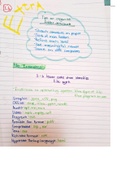
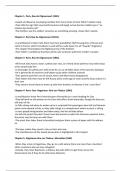
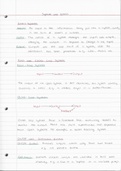
, Chapter 5 Summary
Situational
combination of all of the above
Management styles → will adapt the management style
( TOP ) manager
to whatever required specific situations
General Manager Democratic is in
Production
( MIDDLE) Allows subordinates to provide input the autocratic
Admin marketing Manager if DA is required → will adopt
and participate the style
Manager in decision -
making
manager
process
Therefore referred to as the "
participative if employees don't respond to too much
leadership style "
structure → laissez faire approach
Entrepreneur the person who combines the
3 factors of production
( capital labour , raw material ) ADVANTAGES DISADVANTAGES TRANS FOR t MANIAC t DEMOCRATIC
,
in order to start a new business venture "
Buy -
in "
may lead to slower µ
decision-making when yelld belt results
1)
commitment from
assumed the Mlk
people involved in manager allows participation
of starting a new
from all
sees an opportunity the pro cell
investment
in the market by
investing hill her
profit capital in order Motivational factors
to make a profit
Autocratic motivated
Allows for input from subordinates employees
=
+ makes all decisions * impact good cut tomer
motivated
service
on departments =
got returning
productive
Intrapreneur
"
" inside entrepreneur making it req
A → chill t quick decision -
boosting .
: h cost per
bull hell and Utes that may not be morale unit
Hell he works within a or to implement a strategy t
entrepreneurial qualities combined with the with all staff members hop por SI profit
popular
'
business resource )
D → employees = low morale ( feel undervalued) ADVANTAGES
b
to transform innovative ideas → profit good
word of d level I
mouth t of absenteeism
Laissez Faiere d ttaff
improve bus t
.
image turnover
believes he/she should not interfere in the & tell training →
tell likely
Entrepreneurial qualities, process of carrying out a talk strong brand to embark
staff retention a
on
characteristics & skills manager
= allows them to do a talk w/o industrial
( can be learned I developed) interference action
Leadership vs management may yield excellent results → If there , a highly
skilled workforce MONETARY NON MONETARY
-
( motivated to perform optimally)
MANAGER LEADER SALARY R temporarily JOB ENLARGEMENT
raise motivational levels additional talks are
" " added to the original job
develops new cost to company
manage I the
system , methods to do things Transactional "
give and take
"
PERFORMANCE BONUI JOB ENRICHMENT
t
profit sharing or payment more responsibility
on the
with the manager motivating employees
focused focuses on the
on a commission basil
more authority
their talks in return
systems t structure people
to perform
PAID HOLIDAY EMPOWERMENT 8
for possible ( salary bonus Other benefits)
fringe benefits
, " " ADVANCEMENT
,
company
Pellet on
Carl Cellphone 1 Shares
inspires trust given =
opportunities
control
FLEXIBLE HOURS
less strain
accepts the status challenged the
D → as soon as employees regard the reward at
9 motivation 8 efficiency
940 Stat Ut QUO
-
HIGH STANDARD
insufficient → demotivated → labour
Unrest RECOGNITION OF GOOD WORK
openly 8
reprimanding → private
Manger is appointed in a position of SA = nation that loves to strike
FEEL APPRECIATED
authority which enables him to insist on
part of SUCH
recognition or .
people doing as he/she instructs
team I include decision making
-
PRECISE INIT RUCTIONS
Transformational charismatic by nature A wellness programs
child care facilities 1 time n motivation 8 performance
them to
motivate employees by helping off 1 free parking gym Mem
Leader hat the expertise to make people understand the meaning of their work or assistance now , @ hold
others = prefer Independence
aware of the advantage of pursuing a ( no supervision )
certain course of action places an em phalli on teamwork
"
thereby creating desire
take time to explain "
why they matter
a in people to follow
him/her to achieve a common goal
builds confidence t trust btw employee
$ management
in order for the manager to be successful .
'
.
must be a leader as well
group improves → creativity / problem solving -
+ productivity
of often inspired t motivated to such a degree
that they surpass their own expectations
leads and empowers team members
manager =
to achene
ENTREPRENEUR VS INTRAPRENEUR..................................................................................................................... 3
ENTREPRENEURIAL QUALITIES, CHARACTERISTICS AND SKILLS ..................................................................... 4
LEADERSHIP VS MANAGEMENT ............................................................................................................................. 5
A manager .......................................................................................................................................................... 5
A leader .............................................................................................................................................................. 5
MANAGEMENT STYLES ............................................................................................................................................ 5
DEMOCRATIC ........................................................................................................................................................ 5
AUTOCRATIC ......................................................................................................................................................... 6
LAISSEZ-FAIERE ................................................................................................................................................... 6
TRANSACTIONAL .................................................................................................................................................. 6
TRANSFORMATIONAL........................................................................................................................................... 6
SITUATIONAL......................................................................................................................................................... 6
MOTIVATIONAL FACTORS: MONETARY VS NON-MONETARY ............................................................................ 7
Advantages: ........................................................................................................................................................ 7
Monetary factors to motivate employees: ............................................................................................................. 7
Nonmonetary factors to motivate employees: ...................................................................................................... 7
MANAGEMENT TASKS.............................................................................................................................................. 8
PLANNING ................................................................................................................................................................. 8
The following are some principles to keep in mind when planning ........................................................................ 9
ORGANISATION ..................................................................................................................................................... 9
LEADING .............................................................................................................................................................. 10
General rules for good leadership: ..................................................................................................................... 10
CONTROL ............................................................................................................................................................ 11
A good control system will include the following aspects: ................................................................................... 11
COORDINATION .................................................................................................................................................. 11
COMMUNICATION ............................................................................................................................................... 11
DELEGATION ....................................................................................................................................................... 12
DECISION MAKING .............................................................................................................................................. 12
DISCIPLINE .......................................................................................................................................................... 12
MANAGEMENT COMPETENCIES............................................................................................................................ 13
GLOBAL AWARENESS ............................................................................................................................................... 13
ORGANISATIONAL AWARENESS.................................................................................................................................. 13
INTERNAL ........................................................................................................................................................ 13
EXTERNAL ....................................................................................................................................................... 13
ANALYSIS ........................................................................................................................................................ 14
STRATEGIC THINKING LEADING TO STRATEGIC ACTION ................................................................................ 14
TEAMWORK ......................................................................................................................................................... 14
EMPOWERMENT AND TALENT DEVELOPMENT ................................................................................................ 14
INITIATIVE ............................................................................................................................................................ 15
JUDGEMENT/ DECISION-MAKING ...................................................................................................................... 15
NEGOTIATION ..................................................................................................................................................... 15
CUSTOMER SERVICE ORIENTATION ................................................................................................................. 16
CORPORATE GOVERNANCE AND THE FOUNDING PRINCIPLES OF THE KING REPORTS ............................... 16
THE KING I REPORT (1994) .................................................................................................................................. 16
1
,KING II WAS PUBLISHED IN 2002 AND IT DESCRIBES SEVEN PRINCIPLES OF GOOD CORPORATE GOVERNANCE:.................. 17
TRANSPARANCY............................................................................................................................................. 17
ACCOUNTABILITY ........................................................................................................................................... 17
INDEPENDENCE.............................................................................................................................................. 17
DISCIPLINE ...................................................................................................................................................... 17
SOCIAL RESPONSIBILITY ............................................................................................................................... 18
FAIRNESS ........................................................................................................................................................ 18
RESPONSIBILITY [OF DIRECTORS]................................................................................................................ 18
ON THE 1ST OF SEPTEMBER 2009 KING III WAS RELEASED AND APART FROM THE ABOVE-MENTIONED DETAILS REGARDING THE
RESPONSIBILITIES OF DIRECTORS, THE FOLLOWING ARE ALSO COVERED BY KING III ........................................................ 19
ON THE 1ST OF NOVEMBER 2006 KING IV WAS RELEASED AND THE IMPLEMENTATION BECAME EFFECTIVE ON FIRST OF APRIL
2017. THE FOLLOWING IMPORTANT ISSUE SHOULD BE NOTED UNDER KING IV ................................................................ 20
2
, Chapter 5 Summary
Situational
combination of all of the above
Management styles → will adapt the management style
( TOP ) manager
to whatever required specific situations
General Manager Democratic is in
Production
( MIDDLE) Allows subordinates to provide input the autocratic
Admin marketing Manager if DA is required → will adopt
and participate the style
Manager in decision -
making
manager
process
Therefore referred to as the "
participative if employees don't respond to too much
leadership style "
structure → laissez faire approach
Entrepreneur the person who combines the
3 factors of production
( capital labour , raw material ) ADVANTAGES DISADVANTAGES TRANS FOR t MANIAC t DEMOCRATIC
,
in order to start a new business venture "
Buy -
in "
may lead to slower µ
decision-making when yelld belt results
1)
commitment from
assumed the Mlk
people involved in manager allows participation
of starting a new
from all
sees an opportunity the pro cell
investment
in the market by
investing hill her
profit capital in order Motivational factors
to make a profit
Autocratic motivated
Allows for input from subordinates employees
=
+ makes all decisions * impact good cut tomer
motivated
service
on departments =
got returning
productive
Intrapreneur
"
" inside entrepreneur making it req
A → chill t quick decision -
boosting .
: h cost per
bull hell and Utes that may not be morale unit
Hell he works within a or to implement a strategy t
entrepreneurial qualities combined with the with all staff members hop por SI profit
popular
'
business resource )
D → employees = low morale ( feel undervalued) ADVANTAGES
b
to transform innovative ideas → profit good
word of d level I
mouth t of absenteeism
Laissez Faiere d ttaff
improve bus t
.
image turnover
believes he/she should not interfere in the & tell training →
tell likely
Entrepreneurial qualities, process of carrying out a talk strong brand to embark
staff retention a
on
characteristics & skills manager
= allows them to do a talk w/o industrial
( can be learned I developed) interference action
Leadership vs management may yield excellent results → If there , a highly
skilled workforce MONETARY NON MONETARY
-
( motivated to perform optimally)
MANAGER LEADER SALARY R temporarily JOB ENLARGEMENT
raise motivational levels additional talks are
" " added to the original job
develops new cost to company
manage I the
system , methods to do things Transactional "
give and take
"
PERFORMANCE BONUI JOB ENRICHMENT
t
profit sharing or payment more responsibility
on the
with the manager motivating employees
focused focuses on the
on a commission basil
more authority
their talks in return
systems t structure people
to perform
PAID HOLIDAY EMPOWERMENT 8
for possible ( salary bonus Other benefits)
fringe benefits
, " " ADVANCEMENT
,
company
Pellet on
Carl Cellphone 1 Shares
inspires trust given =
opportunities
control
FLEXIBLE HOURS
less strain
accepts the status challenged the
D → as soon as employees regard the reward at
9 motivation 8 efficiency
940 Stat Ut QUO
-
HIGH STANDARD
insufficient → demotivated → labour
Unrest RECOGNITION OF GOOD WORK
openly 8
reprimanding → private
Manger is appointed in a position of SA = nation that loves to strike
FEEL APPRECIATED
authority which enables him to insist on
part of SUCH
recognition or .
people doing as he/she instructs
team I include decision making
-
PRECISE INIT RUCTIONS
Transformational charismatic by nature A wellness programs
child care facilities 1 time n motivation 8 performance
them to
motivate employees by helping off 1 free parking gym Mem
Leader hat the expertise to make people understand the meaning of their work or assistance now , @ hold
others = prefer Independence
aware of the advantage of pursuing a ( no supervision )
certain course of action places an em phalli on teamwork
"
thereby creating desire
take time to explain "
why they matter
a in people to follow
him/her to achieve a common goal
builds confidence t trust btw employee
$ management
in order for the manager to be successful .
'
.
must be a leader as well
group improves → creativity / problem solving -
+ productivity
of often inspired t motivated to such a degree
that they surpass their own expectations
leads and empowers team members
manager =
to achene