
BLOCK TWO: EVALUATING A COMPANY’S EXTERNAL ENVIRONMENT
1. The Strategically Relevant Factors in the Company’s Macro- Environment
→ Def. Macro – environment encompasses the broad environmental context in which a company’s industry is
situated.
→ Every company operates in a broad macro environment that compromises six principal components →
PESTLE analysis
→ Def. PESTEL Analysis PESTEL analysis can be used to assess the strategic relevance of the six principal
components of the macro-environment: Political, Economic, Social, Technological, Environmental, and
Legal/Regulatory forces.
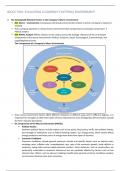
The Components of a Company’s Macro Environment
→ Since macro-environment factors affect different industries in different ways and to different degrees, it is
important for managers to determine which of these represent the most strategically relevant factors outside
the firm’s industry boundaries.
→ Six Components of the Macro Environment (PESTEL)
Political Factors
Pertinent political factors include matters such as tax policy, fiscal policy, tariffs, the political climate,
and strength of institutions such as federal banking system. E.g. Energy policy, which clearly affects
energy producers and heavy users of energy more than other types of business.
Economic Conditions
Economic conditions include general economic climate and specific factors such as interest rates,
exchange rates, inflation rate, unemployment rate, rate of the economic growth, trade deficits or
surpluses, saving rates and per-capita domestic product. Some industries, such as construction, are
particularly vulnerable to economic downturns but are positively affected by factors such as low
interest rates. Others, such as discount retailing, benefit when general economic conditions weaken,
as consumers become more price conscious.
, Sociocultural Forces
Sociocultural forces include the societal values, attitudes, cultural influences, and lifestyle that impact
demand for particular goods and services, as well as demographic factors such as the population size,
growth rate, and age distribution. Sociocultural forces vary by locale and change over time. E.g.
healthier lifestyle, which can shift spending toward exercise equipment and health clubs and away
from alcohol and snack foods. The demographic effect of people living longer is having a huge impact
on the healthcare, nursing homes, travel, hospitality and entertainment industries.
Technological Forces
Technological factors include the pace of technological change ad technical developments that have
the potentials for wide- ranging effects on society, such as genetic engineering, nanotechnology and
solar energy technology. They include institutions involved in creating new knowledge and controlling
the use of technology, such as R&D consortia, university- sponsored technology incubators, patent and
copyright laws , and government control over the Internet. Technological changes can encourage the
birth of new industries, such as the connected wearable devices and disrupt others, such as the
recording industry.
Environmental Forces
These include ecological and environmental forces such as weather, climate, climate change and
associated factors like water shortages. These factors can directly impact industries such as insurance,
farming, energy production, and tourism. They may have an indirect but substantial effect on other
industries such as transportation and utilities.
Legal and Regulatory factors
These factors include the regulations and laws with which companies must comply, such as consumer
laws, antitrust laws and occupational health and safety regulations. Some factors such as financial
services regulation, are industry specific. Others, such as minimum wage legislation, affect certain
types of industries (low wage, labour- intensive industries) more than others.
2. Assessing the Company’s industry and competitive environment
→ How strong are the industry’s competitive forces?
→ What are the driving forces in the industry, and what impact will they have on competitive intensity and
industry profitability?
→ What market positions do industry rivals occupy—who is strongly positioned and who is not?
→ What strategic moves are rivals likely to make next?
→ What is the industry’s key success factors?
→ Is the industry outlook conducive to good profitability?
3. The Five Force Framework
→ Holds that competitive pressures on companies within an industry come from five sources:
Competition from rival sellers
Competition from potential new entrants to the industry
Competition form producers of substitute products
Supplier bargaining power
Customer bargaining power
The Five Forces Model of Competition: A Key Analytic Tool
1. The Strategically Relevant Factors in the Company’s Macro- Environment
→ Def. Macro – environment encompasses the broad environmental context in which a company’s industry is
situated.
→ Every company operates in a broad macro environment that compromises six principal components →
PESTLE analysis
→ Def. PESTEL Analysis PESTEL analysis can be used to assess the strategic relevance of the six principal
components of the macro-environment: Political, Economic, Social, Technological, Environmental, and
Legal/Regulatory forces.
The Components of a Company’s Macro Environment
→ Since macro-environment factors affect different industries in different ways and to different degrees, it is
important for managers to determine which of these represent the most strategically relevant factors outside
the firm’s industry boundaries.
→ Six Components of the Macro Environment (PESTEL)
Political Factors
Pertinent political factors include matters such as tax policy, fiscal policy, tariffs, the political climate,
and strength of institutions such as federal banking system. E.g. Energy policy, which clearly affects
energy producers and heavy users of energy more than other types of business.
Economic Conditions
Economic conditions include general economic climate and specific factors such as interest rates,
exchange rates, inflation rate, unemployment rate, rate of the economic growth, trade deficits or
surpluses, saving rates and per-capita domestic product. Some industries, such as construction, are
particularly vulnerable to economic downturns but are positively affected by factors such as low
interest rates. Others, such as discount retailing, benefit when general economic conditions weaken,
as consumers become more price conscious.
, Sociocultural Forces
Sociocultural forces include the societal values, attitudes, cultural influences, and lifestyle that impact
demand for particular goods and services, as well as demographic factors such as the population size,
growth rate, and age distribution. Sociocultural forces vary by locale and change over time. E.g.
healthier lifestyle, which can shift spending toward exercise equipment and health clubs and away
from alcohol and snack foods. The demographic effect of people living longer is having a huge impact
on the healthcare, nursing homes, travel, hospitality and entertainment industries.
Technological Forces
Technological factors include the pace of technological change ad technical developments that have
the potentials for wide- ranging effects on society, such as genetic engineering, nanotechnology and
solar energy technology. They include institutions involved in creating new knowledge and controlling
the use of technology, such as R&D consortia, university- sponsored technology incubators, patent and
copyright laws , and government control over the Internet. Technological changes can encourage the
birth of new industries, such as the connected wearable devices and disrupt others, such as the
recording industry.
Environmental Forces
These include ecological and environmental forces such as weather, climate, climate change and
associated factors like water shortages. These factors can directly impact industries such as insurance,
farming, energy production, and tourism. They may have an indirect but substantial effect on other
industries such as transportation and utilities.
Legal and Regulatory factors
These factors include the regulations and laws with which companies must comply, such as consumer
laws, antitrust laws and occupational health and safety regulations. Some factors such as financial
services regulation, are industry specific. Others, such as minimum wage legislation, affect certain
types of industries (low wage, labour- intensive industries) more than others.
2. Assessing the Company’s industry and competitive environment
→ How strong are the industry’s competitive forces?
→ What are the driving forces in the industry, and what impact will they have on competitive intensity and
industry profitability?
→ What market positions do industry rivals occupy—who is strongly positioned and who is not?
→ What strategic moves are rivals likely to make next?
→ What is the industry’s key success factors?
→ Is the industry outlook conducive to good profitability?
3. The Five Force Framework
→ Holds that competitive pressures on companies within an industry come from five sources:
Competition from rival sellers
Competition from potential new entrants to the industry
Competition form producers of substitute products
Supplier bargaining power
Customer bargaining power
The Five Forces Model of Competition: A Key Analytic Tool


