

OCR • Classics: Classical Civilisation
Latest uploads for Classics: Classical Civilisation at OCR. Looking for Classics: Classical Civilisation notes at OCR? We have lots of notes, study guides and revision notes available for Classics: Classical Civilisation at OCR.
-
304
-
2
-
27
Modules Classics: Classical Civilisation at OCR
Notes available for the following courses of Classics: Classical Civilisation at OCR
- A2 Unit CC10 F390 - Virgil and the world of the hero H408 99
- A2 Unit CC8 F388 - Art and Architecture in the Greek World 18
- A2 Unit CC9 F389 - Comic Drama in the Ancient World 1
- A2 Unit H403/31 Greek Religion H430/31 6
- Aeneid H40811 1
- AS Unit AH1 F391- Greek History from original sources H40831 2
- AS Unit CC2 F382 - Homer's Odyssey and Society 1
- AS Unit CC2 F382 - Homer's Odyssey and Society H408 5
- AS Unit CC4 F384 - Greek Tragedy in its context H408 14
Popular books OCR • Classics: Classical Civilisation
Walter Burkert • ISBN 9780631156246
Homer, Homer • ISBN 9780140447941
Matthew Barr, Dr Lucy Cresswell • ISBN 9781350021044
Robert Hancock-Jones, James Renshaw • ISBN 9781350015111
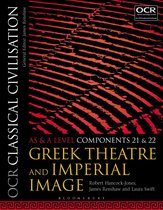
Robert Hancock-Jones, James Renshaw • ISBN 9781350015128
Latest content OCR • Classics: Classical Civilisation
Notes on: - influence of stoic philosophy on Cato’s political life, Cato’s allegiance to the optimates and how this position affected his legal and political activities, his relationships with other political figures - including Cicero, Caesar, Publius Clodius Pulcher and reasons for these, his idealism compared to more pragmatic approaches to politics, his significance as a conservative in a changing political world
Notes on: - Cicero’s correspondents and his relationship to them, form, structure and style of Roman letter writing, extent to which the letters can be informal or formal in tone, the choices of language and devices which create this, recurring ideas and themes in letters and their relationship to Cicero’s life and political career, public/private nature of the letters and their history of publication The letters included: to Pompey, fam. 5.7 to Atticus, att. 2.18 to Curio, fam. 2.4 to ...
Notes on: - roman social hierarchy - patrician & plebeian families, nobiles, equites, idea of a novus homo, res republica and organisation of the state - including the offices of the cursus honorum, elections, tribal assembly, centuriate assembly, senate, government of the provinces, imperium (command), dictatorship, ideas and views of the populares (favouring the people) and the optimates/boni (aristocrats/good men), role and importance of patronage, amicitia (alliance) and inmicitia (personal ...
Notes on all the prescribe sources for the OCR A-level, with dates, where it was found and information
Notes on: - origins of tragedy and how it developed during the 5th century BC - including its relationship to satyr plays, the contribution of Aeschylus, Sophocles and Euripides, use of actors and the chorus, use of masks, costumes and props, common themes of tragedy, relationship between the cultural context and social matter of the plays, Aristotle’s theories about tragedies - including peripiteia (reversal of fortune), hamartia (tragic mistake) and catharsis (purging of emotions)
Notes on: - origins of comedy and how it developed during the 5th century BC - including the contributions of Aristophanes, use of actors and the chorus, use of masks, costumes and props, types of humour, comic techniques and effects, common themes of comedy, relationship between the cultural context and subject matter of the plays
Notes on: - role and significance of drama and the theatre in ancient Athenians society - including the religious context of dramatic festivals, the organisation of the city Dionysia - including the makeup and involvement of the theatre audience, structure of the theatre space, and how this developed during the 5/4th centuries BC - including the machinery associated with the theatre (crane and wheel platform) and how they contributed to the staging of Greek drama
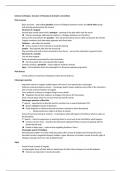
Notes on: - plot structure , plot devices - including messenger speeches, agon, parabis, use and choice of language, literary devices & descriptive techniques - including imagery and dramatic irony, characterisation - including the role of the chorus, styles and techniques of the different playwrights
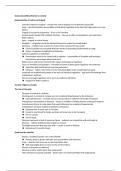
Notes on: - ancient religious concepts, beliefs & practices - including role of the gods and death & the afterlife, representation and satire of tragedy, importance of the polis (city) - including the position & role of men, women and slaves in society and political ideas & ideals
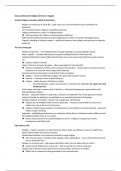
Notes on: - ancient religious concepts, beliefs and practices, the role of the gods, fate & free will, prophecy & prophets, religious rituals & acts, importance of the polis (city) - including position & role of men, women & slaves in society, political ideas & ideals, importance of family relationships, tragic heroism - including the nature of heroes & heroism, justice & revenge