
Politics of the late republic
OCR
Here are the best resources to pass Politics of the late republic. Find Politics of the late republic study guides, notes, assignments, and much more.
Popular textbooks
Summary
Modern scholarships - politics of the late republic
Full modern scholarships - politics of the late republic Divided by theme and player
 jesscane
Summary
PORLT - Cicero as orator, In Verrem 1
PopularNotes on: - courtroom setting, partial delivery & subsequent publication of Verrine speeches, form, structure and style of Roman legal oratory - including devices such as anaphora, apostrophe, tricolon and hyperbole, ways in which the speech is typical of Roman rhetorical practice, themes of corruption, justice and necessity of upholding the state, portrayal of Verres and his corruption and how this is created
clempitrat
Summary
Cicero's career summary - GOT AN A AT A LEVEL USING THIS :)
NewThis document details Cicero's career from his birth to his death- an absolute staple for acing the Classical Civilisation A-level. It is sorted into his actions and sections making it an ideal document to write about his career. His actions are divided into: things he did to promote his career; things he did to protect Rome; things that suggest his values (ideal for an optimate vs populares essay) as well as clear examples of his use of rhetoric. It has loads of detail, prefect for getting tho...
helencolling08

Summary
Politics of the late Republic timeline
A short chronological summary of the timeline depicted within OCR's Politics of the late Republic, from 753BC to 43BC.
charleywopat
Summary
OCR Politics of the Late Republic Sources Notes
Sources Notes OCR A-level Politics of the Late Republic
francescaannevans2022
Package deal
Politics of the Late Republic
Notes on: - Cicero as orator - In Verrem 1 - Cicero and the res publica - Caesar as popularis and dictator - Cato and the politics of the optimates - Cicero as correspondent - Background of the late republic
clempitrat
Summary
POTLR - Cicero and the res publica
Notes on: Cicero’s ideas about the ideal state and how it had developed in Rome - role of concordia ordinum (’agreement of the orders’), ideal state of affairs as cum dignitate otium (’peace with dignity’), how his actions during his career can be rationalised with his political ideals, his attempt to reconcile senators and equites in concordia ordinum and the reasons why this failed, explanation of his relationships with and attitudes towards: optimates - including Cato, populares - i...
clempitrat
Summary
POLTR - Cato and the politics of the optimates
Notes on: - influence of stoic philosophy on Cato’s political life, Cato’s allegiance to the optimates and how this position affected his legal and political activities, his relationships with other political figures - including Cicero, Caesar, Publius Clodius Pulcher and reasons for these, his idealism compared to more pragmatic approaches to politics, his significance as a conservative in a changing political world
clempitrat
Summary
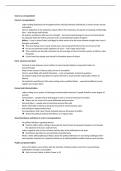
POTLR - Cicero as correspondent
Notes on: - Cicero’s correspondents and his relationship to them, form, structure and style of Roman letter writing, extent to which the letters can be informal or formal in tone, the choices of language and devices which create this, recurring ideas and themes in letters and their relationship to Cicero’s life and political career, public/private nature of the letters and their history of publication The letters included: to Pompey, fam. 5.7 to Atticus, att. 2.18 to Curio, fam. 2.4 to ...
clempitrat
Summary
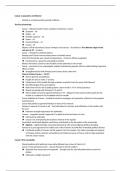
POTLR - Caesar as popularis and dictator
Notes on: - reasons for and significance of first triumvirate, his first consulship and its ‘popular’ programme, politics of the civil war ands Caesar’s reasons for pursuing it, his dictatorship, ‘anti-republican’ behaviour and attitude to the republic, his plans for ‘popular’ reform, reasons for his assassination, his relationships with other political figures - including Cicero, Cato, Pompey, Crassus and reasons for these
clempitrat
Summary
POLTR - the background of the late republic
Notes on: - roman social hierarchy - patrician & plebeian families, nobiles, equites, idea of a novus homo, res republica and organisation of the state - including the offices of the cursus honorum, elections, tribal assembly, centuriate assembly, senate, government of the provinces, imperium (command), dictatorship, ideas and views of the populares (favouring the people) and the optimates/boni (aristocrats/good men), role and importance of patronage, amicitia (alliance) and inmicitia (personal ...
clempitrat

Essay
List of essay plans - politics of the late republic
Covers all main topics and past paper questions Used for revision and i got an A*
jesscane
Summary
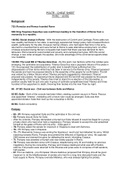
Full course summary condensed into understandable cheat sheet
Covers all main information
jesscane

Summary
Full synopsis of in verrem
Discusses theme - divided by chapter Full information needed for essays
jesscane

Summary
Full course time line - politics of the late republic
Divided by year and character - covers all information in course
jesscane

Summary
Full notes on Caesar - politics of the late republic
Only notes used for this topic to gain an A*
jesscane

Summary
Full notes on cicero topic for politics of the late republic
Full notes on cicero topic for politics of the late republic - the only notes i used to receive an A*
jesscane
Essay
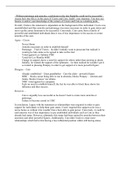
‘Without patronage and amicitia, a politician in the late Republic could not be successful.’ Assess how true this is in the cases of Cicero and Cato. Justify your response. You may use Source A and/or your knowledge of the careers of Cicero and Cato as a
Full essay plan paragraphs set out used to gain full marks
jesscane
Essay
‘Cicero’s attitude towards Mark Antony represented his political views which were expressed throughout Cicero’s career.’ Discuss to what extent you have found this to be the case. Justify your response.
Full essay plan paragraphs set out used to receive full marks
jesscane
Summary
Summary Politics of the late republic
Summary Politics of the late republic - full course notes achieved an A* with only this knowledge
jesscane