

OCR • Classics: Classical Civilisation
Latest uploads for Classics: Classical Civilisation at OCR. Looking for Classics: Classical Civilisation notes at OCR? We have lots of notes, study guides and revision notes available for Classics: Classical Civilisation at OCR.
-
304
-
2
-
27
Modules Classics: Classical Civilisation at OCR
Notes available for the following courses of Classics: Classical Civilisation at OCR
- A2 Unit CC10 F390 - Virgil and the world of the hero H408 99
- A2 Unit CC8 F388 - Art and Architecture in the Greek World 18
- A2 Unit CC9 F389 - Comic Drama in the Ancient World 1
- A2 Unit H403/31 Greek Religion H430/31 6
- Aeneid H40811 1
- AS Unit AH1 F391- Greek History from original sources H40831 2
- AS Unit CC2 F382 - Homer's Odyssey and Society 1
- AS Unit CC2 F382 - Homer's Odyssey and Society H408 5
- AS Unit CC4 F384 - Greek Tragedy in its context H408 14
Popular books OCR • Classics: Classical Civilisation
Walter Burkert • ISBN 9780631156246
Homer, Homer • ISBN 9780140447941
Matthew Barr, Dr Lucy Cresswell • ISBN 9781350021044
Robert Hancock-Jones, James Renshaw • ISBN 9781350015111
Robert Hancock-Jones, James Renshaw • ISBN 9781350015128
Latest content OCR • Classics: Classical Civilisation
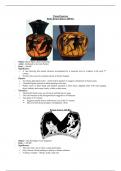
Notes on sources with comments and analysis from scholars and all details needed for full marks on the OCR questions including: - Bird Chorus Chous - Perseus Vase - Choregos Vase - Wurzburg Telephus Krater - Cheiron Vase
A* Notes on play, plot, reception, characters and themes of Oedipus. Includes quotes from scholars and everything you need to ace the exam! Themes include: - Sight and Blindness - Corruption - Fate and Free Will - Prophecy and Oracles - Ignorance and Knowledge - Power and Class - Time, Memory, Age, and the Past - Identity and Self-Discovery - Pride and Hubris - Rumours and Reality
A* notes on Frogs with a summary of plot and reception, all characters and themes including: - Nature of Theatre - Use of Comedy - Value of Tragedy - Politics - Old vs. New - Religion and the gods - Slaves and Masters - Women and Femininity - Identity - Life and Death - Punishment and Vengeance
A* Greek Theatre Context - Everything you need to know for context for the Greek Theatre module of OCR A-Level Notes on genres and playwrights, cities and celebrations, stagecraft and architecture, sound vs. appearance, the chorus, and social, political and religious themes in plays
A* Notes on Bacchae (Play, Plot, Reception, Characters, Themes) Themes include: - Nature of Theatre - Hunting Imagery/The Animal Experience - Greeks vs. Barbarians (foreignness and "the other") - Disguise/Identity - The Truth and Reality - Rational vs. Irrational - Control vs. Freedom - Punishment and Vengeance - Gods and Mortals - Women and Femininity - Justice - Sympathy for Pentheus
Notes on: - courtroom setting, partial delivery & subsequent publication of Verrine speeches, form, structure and style of Roman legal oratory - including devices such as anaphora, apostrophe, tricolon and hyperbole, ways in which the speech is typical of Roman rhetorical practice, themes of corruption, justice and necessity of upholding the state, portrayal of Verres and his corruption and how this is created
Scholarly views on Aeneid for A level classical civilisation. OCR- The world of the hero exam for 30 marker.
Scholarly views on Odyssey for A level classical civilisation . The exam World of The Hero. OCR
Notes on: Cicero’s ideas about the ideal state and how it had developed in Rome - role of concordia ordinum (’agreement of the orders’), ideal state of affairs as cum dignitate otium (’peace with dignity’), how his actions during his career can be rationalised with his political ideals, his attempt to reconcile senators and equites in concordia ordinum and the reasons why this failed, explanation of his relationships with and attitudes towards: optimates - including Cato, populares - i...
Notes on: - reasons for and significance of first triumvirate, his first consulship and its ‘popular’ programme, politics of the civil war ands Caesar’s reasons for pursuing it, his dictatorship, ‘anti-republican’ behaviour and attitude to the republic, his plans for ‘popular’ reform, reasons for his assassination, his relationships with other political figures - including Cicero, Cato, Pompey, Crassus and reasons for these