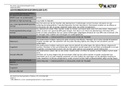
Week 3: ANS Case Study Discussion
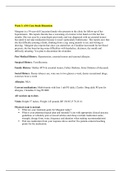
Margaret is a 59-year-old Caucasian female who presents to the clinic for follow-up of her
hypertension. She reports that she has a worsening of a tremor in her hand over the last few
months. She was seen by a neurologist previously and was diagnosed with an essential tremor
but opted to not take medication because it wasn’t particularly bothersome. She reports now that
she has difficulty pouring a drink, drinking from a cup, using utensils to eat, and writing or
drawing. Margaret also reports that since you started her on Clonidine last month for her blood
pressure, she has been having some difficulties with headaches, dizziness, dry mouth and
difficulty urinating. You plan to discontinue the clonidine.
Past Medical History: Hypertension, essential tremor and seasonal allergies.
Surgical History: Tonsillectomy.
Family History: Mother HTN & essential tremor, Father Diabetes, Sister Diabetes all deceased.
Social History: Denies tobacco use, wine one to two glasses a week, denies recreational drugs,
exercises twice a week.
Allergies: NKA
Current medications: Multivitamin with Iron 1 tab PO daily, Claritin 10mg daily PO prn for
allergies, Clonidine 0.1mg PO BID
All vaccines up to date.
Vitals: Height 57 inches, Weight 145 pounds, BP 156/85, P 70, R 16.
Physical exam is normal.
What are your treatment goals for Margaret today?
What is your pharmacological plan and rationale? (cite with appropriate clinical practice
guidelines or scholarly peer-reviewed articles and always include medication name,
strength, dosage form, route, frequency and duration when making recommendations)
Pick one medication from your response above and list five patient-centered teaching
points for the medication.
Margaret is a 59-year-old Caucasian female who presents to the clinic for follow-up of her
hypertension. She reports that she has a worsening of a tremor in her hand over the last few
months. She was seen by a neurologist previously and was diagnosed with an essential tremor
but opted to not take medication because it wasn’t particularly bothersome. She reports now that
she has difficulty pouring a drink, drinking from a cup, using utensils to eat, and writing or
drawing. Margaret also reports that since you started her on Clonidine last month for her blood
pressure, she has been having some difficulties with headaches, dizziness, dry mouth and
difficulty urinating. You plan to discontinue the clonidine.
Past Medical History: Hypertension, essential tremor and seasonal allergies.
Surgical History: Tonsillectomy.
Family History: Mother HTN & essential tremor, Father Diabetes, Sister Diabetes all deceased.
Social History: Denies tobacco use, wine one to two glasses a week, denies recreational drugs,
exercises twice a week.
Allergies: NKA
Current medications: Multivitamin with Iron 1 tab PO daily, Claritin 10mg daily PO prn for
allergies, Clonidine 0.1mg PO BID
All vaccines up to date.
Vitals: Height 57 inches, Weight 145 pounds, BP 156/85, P 70, R 16.
Physical exam is normal.
What are your treatment goals for Margaret today?
What is your pharmacological plan and rationale? (cite with appropriate clinical practice
guidelines or scholarly peer-reviewed articles and always include medication name,
strength, dosage form, route, frequency and duration when making recommendations)
Pick one medication from your response above and list five patient-centered teaching
points for the medication.