Creating the Trust – The Three Certainties
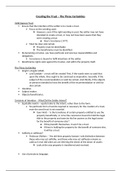
Valid Express Trust
Ensure that the intention of the settler is to create a trust.
Focus on the wording used.
However, even if the right wording is used, the settler may not have
intended to create a trust, or may not have been aware that they
were creating a trust.
Paul v Constance (1977).
Must be clear and certain.
Property must be identifiable.
The beneficiaries must be identified.
By becoming a trustee, you have particular and onerous responsibilities and
obligations.
Conscience is bound to fulfil intentions of the settler.
Beneficiaries rights exist against the trustee, and within the property itself.
The Three Certainties
Knight v Knight (1840).
Lord Landale – a trust will be created ‘first, if the words were so used that
upon the whole, they ought to be construed as imperative. Secondly, if the
subject of the recommendation or wish be certain. And thirdly, if the objects
or persons intended to have the benefit of the recommendation or wish be
also certain.
Intention.
Subject matter.
Objects/beneficiaries.
Certainty of Intention – What Did the Settlor Intend?
Equitable maxim – equity looks to the intent, rather than to the form.
No particular form of words required or necessary for the creation of a trust,
even the word trust is not essential.
Gary Watt – ‘is the transferee of certain property entitled to use the
property beneficially, or is he/she conscience bound to hold the legal
title to the property and exercise his/her powers as the legal owner
for the benefit of someone else?’.
If they benefit themselves, it won’t be a trust.
If they’re holding the property for the benefit of someone else,
it will be a trust.
Selfishly or selflessly?
Professor Walters – ‘the old-time property lawyers’ sole distinction between
those who may act selfishly, and those who may act selflessly remains as
valid as it ever did when we are inferring the intent of the donor of assets’.
Look at the way property is transferred and received.
Use of precatory language.
, Language that is not mandatory/obligatory.
Executives Act 1830.
Ended the practice of the executive receiving property.
Paul v Constance (1977).
Mr Constance left his wife Brenda to live with Mrs Paul. He doesn’t divorce
his wife, he just leaves her.
Mr Constance later received awards of compensation of £950.
Mr Constance and Mrs Paul decide to open a joint bank account. Bank
advised that because they weren’t married, the account should be opened in
Mr Constance’s name alone.
£950 deposited in the account, and money was added to this from time to
time with bingo winnings. Some money was withdrawn for a joint holiday.
Mr Constance said to Mrs Paul on numerous occasions that despite the fact
that the account was in his name alone, the money was as much hers as it
was his.
Mr Constance died suddenly, and without leaving a will.
Mrs Constance (Brenda) made a claim on the money in the bank after his
death, as his widow, which she was entitled to do.
Mrs Paul argued that a trust had been created for the money in the account.
Mr Constance was the trustee, and both Mr Constance and Mrs Paul were
the equal beneficiaries. So, after his death Mrs Paul would be the sole
beneficiary.
Mrs Paul claimed that if Mrs Constance (Brenda) was entitled to anything, it
was only half the amount (Mr Constance’s half).
Court held that by his words and actions, Mr Constance had declared himself
a trustee of the money for himself and Mrs Paul (50% held for Mrs Paul, and
the remaining 50% for his next of kin – Brenda, as they were not legally
divorced).
Lord Justice Scarman – did Mr Constance plead this as an express trust?
He didn’t say that the money was being held for him and Mrs Paul.
But, he did say ‘it is as much yours as it is mine’.
By his words and actions, he had created a trust.
His conscience was affected.
Court remarked that Mr Constance was of unsophisticated character.
Played bingo.
He wouldn’t have necessarily known that he was creating a trust.
By the repetition of the words ‘it is as much yours as it is
mine’, coupled with the original intention to set up a joint
account, and only withdrawing for a joint purpose, suggests
that there was an intention to set up a trust.
Re Kayford (1975).
Valid Express Trust
Ensure that the intention of the settler is to create a trust.
Focus on the wording used.
However, even if the right wording is used, the settler may not have
intended to create a trust, or may not have been aware that they
were creating a trust.
Paul v Constance (1977).
Must be clear and certain.
Property must be identifiable.
The beneficiaries must be identified.
By becoming a trustee, you have particular and onerous responsibilities and
obligations.
Conscience is bound to fulfil intentions of the settler.
Beneficiaries rights exist against the trustee, and within the property itself.
The Three Certainties
Knight v Knight (1840).
Lord Landale – a trust will be created ‘first, if the words were so used that
upon the whole, they ought to be construed as imperative. Secondly, if the
subject of the recommendation or wish be certain. And thirdly, if the objects
or persons intended to have the benefit of the recommendation or wish be
also certain.
Intention.
Subject matter.
Objects/beneficiaries.
Certainty of Intention – What Did the Settlor Intend?
Equitable maxim – equity looks to the intent, rather than to the form.
No particular form of words required or necessary for the creation of a trust,
even the word trust is not essential.
Gary Watt – ‘is the transferee of certain property entitled to use the
property beneficially, or is he/she conscience bound to hold the legal
title to the property and exercise his/her powers as the legal owner
for the benefit of someone else?’.
If they benefit themselves, it won’t be a trust.
If they’re holding the property for the benefit of someone else,
it will be a trust.
Selfishly or selflessly?
Professor Walters – ‘the old-time property lawyers’ sole distinction between
those who may act selfishly, and those who may act selflessly remains as
valid as it ever did when we are inferring the intent of the donor of assets’.
Look at the way property is transferred and received.
Use of precatory language.
, Language that is not mandatory/obligatory.
Executives Act 1830.
Ended the practice of the executive receiving property.
Paul v Constance (1977).
Mr Constance left his wife Brenda to live with Mrs Paul. He doesn’t divorce
his wife, he just leaves her.
Mr Constance later received awards of compensation of £950.
Mr Constance and Mrs Paul decide to open a joint bank account. Bank
advised that because they weren’t married, the account should be opened in
Mr Constance’s name alone.
£950 deposited in the account, and money was added to this from time to
time with bingo winnings. Some money was withdrawn for a joint holiday.
Mr Constance said to Mrs Paul on numerous occasions that despite the fact
that the account was in his name alone, the money was as much hers as it
was his.
Mr Constance died suddenly, and without leaving a will.
Mrs Constance (Brenda) made a claim on the money in the bank after his
death, as his widow, which she was entitled to do.
Mrs Paul argued that a trust had been created for the money in the account.
Mr Constance was the trustee, and both Mr Constance and Mrs Paul were
the equal beneficiaries. So, after his death Mrs Paul would be the sole
beneficiary.
Mrs Paul claimed that if Mrs Constance (Brenda) was entitled to anything, it
was only half the amount (Mr Constance’s half).
Court held that by his words and actions, Mr Constance had declared himself
a trustee of the money for himself and Mrs Paul (50% held for Mrs Paul, and
the remaining 50% for his next of kin – Brenda, as they were not legally
divorced).
Lord Justice Scarman – did Mr Constance plead this as an express trust?
He didn’t say that the money was being held for him and Mrs Paul.
But, he did say ‘it is as much yours as it is mine’.
By his words and actions, he had created a trust.
His conscience was affected.
Court remarked that Mr Constance was of unsophisticated character.
Played bingo.
He wouldn’t have necessarily known that he was creating a trust.
By the repetition of the words ‘it is as much yours as it is
mine’, coupled with the original intention to set up a joint
account, and only withdrawing for a joint purpose, suggests
that there was an intention to set up a trust.
Re Kayford (1975).