
Ivan Pavlov (1980s)
Classical conditioning is a way of learning where a stimulus that triggers a biological response is paired with a
new stimulus that then results in the same reaction.
During this time, Pavlov did a lot of research around the
digestive processes of dogs.
One day during his research, Pavlov noticed that the dogs
began to salivate in the presence of the technician who
normally fed them.
He wondered if the technician was a trigger that stimulated
a response associated with food?
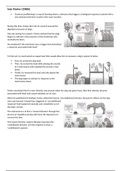
To find out, he constructed an experiment that would allow him to measure a dog's output of saliva.
First, he served the dog food.
Then, he served the food while playing the sounds
of a metronome and repeated the process a few
times.
Finally, he removed the food and only played the
metronome.
The dog began to salivate in response to the
metronome alone.
Pavlov concluded that if a new stimulus was present when the dog was given food, then that stimulus became
associated with food and caused salivation on its own.
When he published his findings, Pavlov called the food an 'unconditioned stimulus' because its effects on the dog
were not learned, instead they triggered an 'unconditioned
response' that happened naturally and completely out of
the dog's control.
The metronome is at first a 'neutral stimulus' through the
process of repetitive pairing with food, the dog learns to
connect the two.
This means that the 'neutral stimulus' becomes the
'conditioned stimulus' and the response to that, a
'conditioned response'.
Classical conditioning is a way of learning where a stimulus that triggers a biological response is paired with a
new stimulus that then results in the same reaction.
During this time, Pavlov did a lot of research around the
digestive processes of dogs.
One day during his research, Pavlov noticed that the dogs
began to salivate in the presence of the technician who
normally fed them.
He wondered if the technician was a trigger that stimulated
a response associated with food?
To find out, he constructed an experiment that would allow him to measure a dog's output of saliva.
First, he served the dog food.
Then, he served the food while playing the sounds
of a metronome and repeated the process a few
times.
Finally, he removed the food and only played the
metronome.
The dog began to salivate in response to the
metronome alone.
Pavlov concluded that if a new stimulus was present when the dog was given food, then that stimulus became
associated with food and caused salivation on its own.
When he published his findings, Pavlov called the food an 'unconditioned stimulus' because its effects on the dog
were not learned, instead they triggered an 'unconditioned
response' that happened naturally and completely out of
the dog's control.
The metronome is at first a 'neutral stimulus' through the
process of repetitive pairing with food, the dog learns to
connect the two.
This means that the 'neutral stimulus' becomes the
'conditioned stimulus' and the response to that, a
'conditioned response'.


