EUROPE
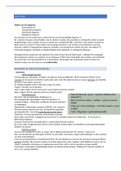
EEC formed in 1957 under Rome France West Germany Italy
treaty of with , , ,
Belgium, Netherlands and Luxembourg
.
&
European integration prevents world wars.
WHY DID BRITAN INITIALLY NOT BECOME INVOLVED IN THE EEC ?
Few politician in favour of the leadership role in Europe on offer
Left tended to be suspicious of the free market principles behind the Common Market
Right tended to
regard the preservation of imports with Australia, Canada and New zealand
assumption that Britain still is a world power
Britain wanted to maintain special relationship'
WHY DOES DE GAULLE SAY NO ?
Britain prioritises the common wealth ; lamb exports from New Zealand
Lessen French influence and allow US influence floss of power)
WHY DID BRITAIN APPLY TO THE EEC IN 1981 ?
S
boost industrial production for a
large scale export market
ECONOMIC
increase industrial efficiency with
greater competitions
economic expansion
decolonisation ,
suez crisis > loss of continental power
America pushed them to as they believed Britain would help the EEC resist the
influence of the USSR/ communism in the cold wa r.
,WHY DID DECOLONISATION BEEIN IN THE 1950s ?
Britain had mobilised India's for imperial effort then promised to
resources their wa r and
give
India full independence once the war was over
To avoid
being trapped in costly with local nationalist movements Britain backed out
a
struggle ,
haste
Of most of the
remaining colonies with unseemly
The British economy and political reputation as a world power staggered .
Britain tried and failed twice to the EEC
join
Britain's failure to stop the white settler revolt in Southern Rhodesia in 1965 was a
huge embarrassment
and drew fierce condemnation from many new common wealth states
HOW DID THE EMPIRE TRANSITION INTO THE COMMON WEALTH ?
accounted for half the world's trade in the early post war years
Britain wanted to maintain their status the third and could
as
great power , only
do so
by maintaining its empire and the common wealth link .
, D
DECOLONISATION
British empire collection of colonies ruled by Britain
) starts in 1500's Elizabeth : height in 1920's (25 % ) -
decolonisation 1950,
&
Power/war) ,
wealth and status and migration
WHY DID DECOLONISATION BEEIN IN THE 1950s ?
POLITICAL
failure to join the EEC
revolts in Malaya , Kenya and Cyprus
Macmillan decolonisation, winds of change' 1960 : Sets out
policy
:
Strongly wants Cape town in
Suez Crisis reputation destroyed
ECONOMIC
Suez Crisis : run on the pound) political humiliation
Economic Crisis after WW2 ,
To avoid
being trapped in costly with local nationalist movements Britain backed out
a
struggle
-
,
haste
Of most of the
remaining colonies with unseemly
MILITARY
Nationalist movement
-
-
British had mobilised India's resources and people for troops
- Mar mau rebellion , costly and no
military strength 1952-53
Decolonisation 1947- 54
1947 -
Withdrawal from India
1952- Start of the Mar Mau rebellion
1957 -
Independence of Ghana
1950 -
Macmillan wind of change' speech
1960 -
Independence of
Nigeria and Cyprus
1961 -
South Africa leaves the common wealth : Apartheid
1961 -
Tanzania
1963
Uganda+ Kenya
-
, #
WAR D
AND SPECIAL RELATIONSHIP
&
Expansion into Eastern Europe by the USSR : Iron curtain
formation key military alliances
> 1st Crisis point
< Arms race :
Atomic/hydrogen bomb
1949 BritainFounder member of NATO
>
actively involved in the cold war
&
strong relationship , supporting the USA Kennedy and Macmillan had a special relation
1950 Forces from North Korea, supported by SU and China, invaded the south
& UN sent forces and Britain sent 90 , 000 soldiers
1951 Burgess and Maclean affair
< Much less ready to share secret .
1452- Atomic bomb
1953 Korea ceasefire agreed
1957
Hydrogen bomb
-
generally strong role in NATO
1958 -
formation of CND
I
campaign for nuclear disarmament
not as involved in cold war
1958 USA nuclear Mutual defence
share technology under
agreement
1960 Cancel Blue streak Crocker project)
&
replaced by dependence with the American submarine weapons system
& decrease role in Cold war as no individual nuclear weapons
>
one sided, reliant relationship
1960 Involved in plans for a summit
I
meetings working together
not at the but
1963- Cuban missile Crisis
& Britain's informed but involved
kept not
directly
EEC formed in 1957 under Rome France West Germany Italy
treaty of with , , ,
Belgium, Netherlands and Luxembourg
.
&
European integration prevents world wars.
WHY DID BRITAN INITIALLY NOT BECOME INVOLVED IN THE EEC ?
Few politician in favour of the leadership role in Europe on offer
Left tended to be suspicious of the free market principles behind the Common Market
Right tended to
regard the preservation of imports with Australia, Canada and New zealand
assumption that Britain still is a world power
Britain wanted to maintain special relationship'
WHY DOES DE GAULLE SAY NO ?
Britain prioritises the common wealth ; lamb exports from New Zealand
Lessen French influence and allow US influence floss of power)
WHY DID BRITAIN APPLY TO THE EEC IN 1981 ?
S
boost industrial production for a
large scale export market
ECONOMIC
increase industrial efficiency with
greater competitions
economic expansion
decolonisation ,
suez crisis > loss of continental power
America pushed them to as they believed Britain would help the EEC resist the
influence of the USSR/ communism in the cold wa r.
,WHY DID DECOLONISATION BEEIN IN THE 1950s ?
Britain had mobilised India's for imperial effort then promised to
resources their wa r and
give
India full independence once the war was over
To avoid
being trapped in costly with local nationalist movements Britain backed out
a
struggle ,
haste
Of most of the
remaining colonies with unseemly
The British economy and political reputation as a world power staggered .
Britain tried and failed twice to the EEC
join
Britain's failure to stop the white settler revolt in Southern Rhodesia in 1965 was a
huge embarrassment
and drew fierce condemnation from many new common wealth states
HOW DID THE EMPIRE TRANSITION INTO THE COMMON WEALTH ?
accounted for half the world's trade in the early post war years
Britain wanted to maintain their status the third and could
as
great power , only
do so
by maintaining its empire and the common wealth link .
, D
DECOLONISATION
British empire collection of colonies ruled by Britain
) starts in 1500's Elizabeth : height in 1920's (25 % ) -
decolonisation 1950,
&
Power/war) ,
wealth and status and migration
WHY DID DECOLONISATION BEEIN IN THE 1950s ?
POLITICAL
failure to join the EEC
revolts in Malaya , Kenya and Cyprus
Macmillan decolonisation, winds of change' 1960 : Sets out
policy
:
Strongly wants Cape town in
Suez Crisis reputation destroyed
ECONOMIC
Suez Crisis : run on the pound) political humiliation
Economic Crisis after WW2 ,
To avoid
being trapped in costly with local nationalist movements Britain backed out
a
struggle
-
,
haste
Of most of the
remaining colonies with unseemly
MILITARY
Nationalist movement
-
-
British had mobilised India's resources and people for troops
- Mar mau rebellion , costly and no
military strength 1952-53
Decolonisation 1947- 54
1947 -
Withdrawal from India
1952- Start of the Mar Mau rebellion
1957 -
Independence of Ghana
1950 -
Macmillan wind of change' speech
1960 -
Independence of
Nigeria and Cyprus
1961 -
South Africa leaves the common wealth : Apartheid
1961 -
Tanzania
1963
Uganda+ Kenya
-
, #
WAR D
AND SPECIAL RELATIONSHIP
&
Expansion into Eastern Europe by the USSR : Iron curtain
formation key military alliances
> 1st Crisis point
< Arms race :
Atomic/hydrogen bomb
1949 BritainFounder member of NATO
>
actively involved in the cold war
&
strong relationship , supporting the USA Kennedy and Macmillan had a special relation
1950 Forces from North Korea, supported by SU and China, invaded the south
& UN sent forces and Britain sent 90 , 000 soldiers
1951 Burgess and Maclean affair
< Much less ready to share secret .
1452- Atomic bomb
1953 Korea ceasefire agreed
1957
Hydrogen bomb
-
generally strong role in NATO
1958 -
formation of CND
I
campaign for nuclear disarmament
not as involved in cold war
1958 USA nuclear Mutual defence
share technology under
agreement
1960 Cancel Blue streak Crocker project)
&
replaced by dependence with the American submarine weapons system
& decrease role in Cold war as no individual nuclear weapons
>
one sided, reliant relationship
1960 Involved in plans for a summit
I
meetings working together
not at the but
1963- Cuban missile Crisis
& Britain's informed but involved
kept not
directly